Window Condensation Problems Explained: What Foggy Windows Actually Mean
Condensation on windows is one of the most common — and misunderstood — moisture symptoms in homes. Many homeowners assume foggy glass means poor-quality windows or cold weather alone.
In reality, condensation is a signal. It tells you that warm, moisture-laden air is contacting a surface cold enough to force water vapor out of the air.
This guide explains:
- Why window condensation forms
- What interior vs exterior condensation means
- How to diagnose the real moisture source
- How to fix condensation permanently
Why Condensation Forms on Windows
Condensation occurs when air reaches its dew point.
Windows are usually the coldest surface in a room, especially in winter. When warm indoor air contacts cold glass, moisture drops out as liquid water.
The problem is not the window — it’s the moisture load in the air.
Interior vs Exterior Condensation (Critical Difference)
Interior Condensation
Appears on the inside of the glass.
- Indicates high indoor humidity
- Common in winter
- Signals ventilation or air-sealing issues
Appears on the outside of the glass.
- Usually normal
- Indicates good insulation
- Occurs during temperature swings
Only interior condensation is a moisture problem.
Why Window Condensation Is a Warning Sign
Repeated condensation leads to:
- Window frame rot
- Mold growth on sills
- Paint and finish damage
- Hidden wall moisture
Ignoring condensation allows moisture damage to spread.
Step-by-Step: How to Diagnose Condensation Problems
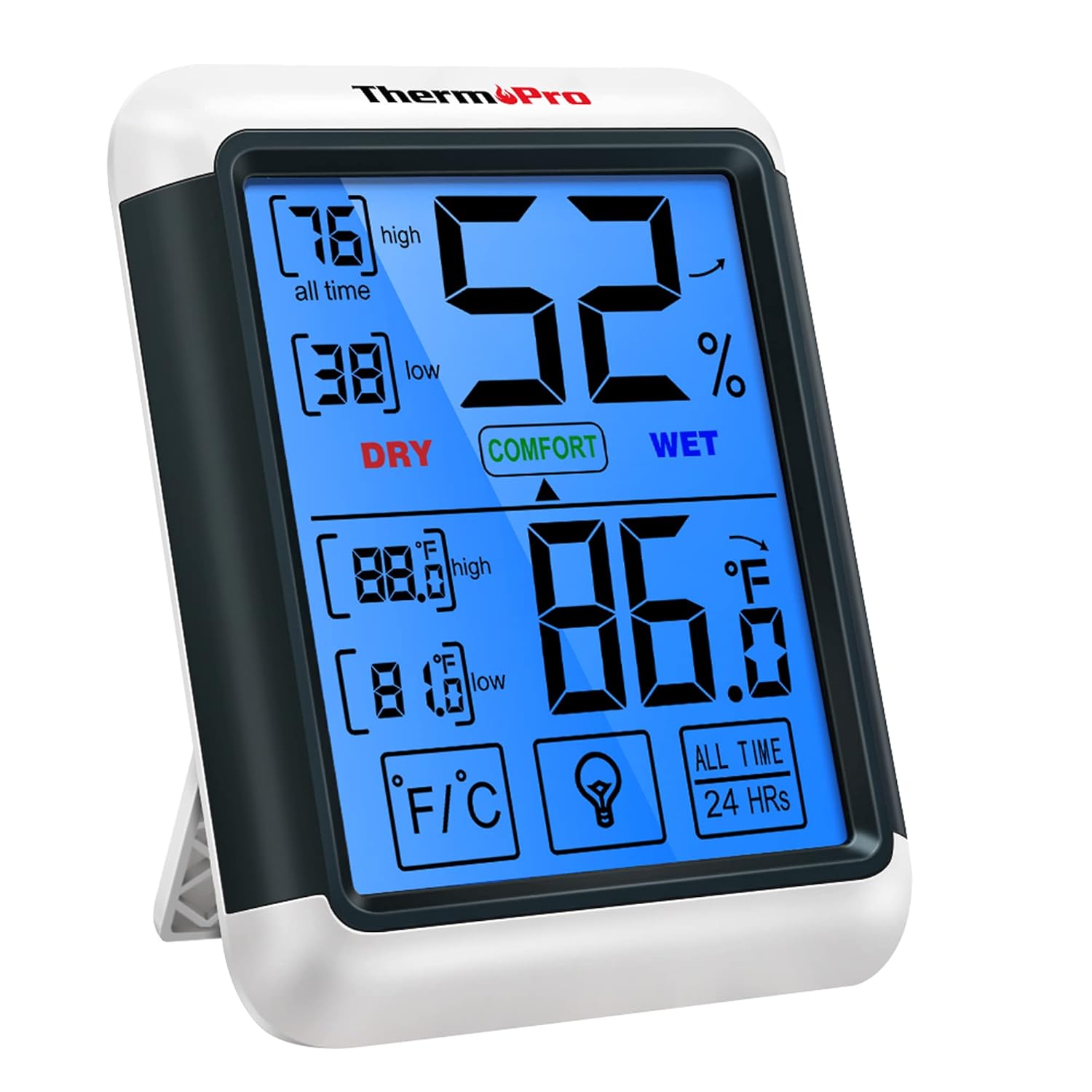
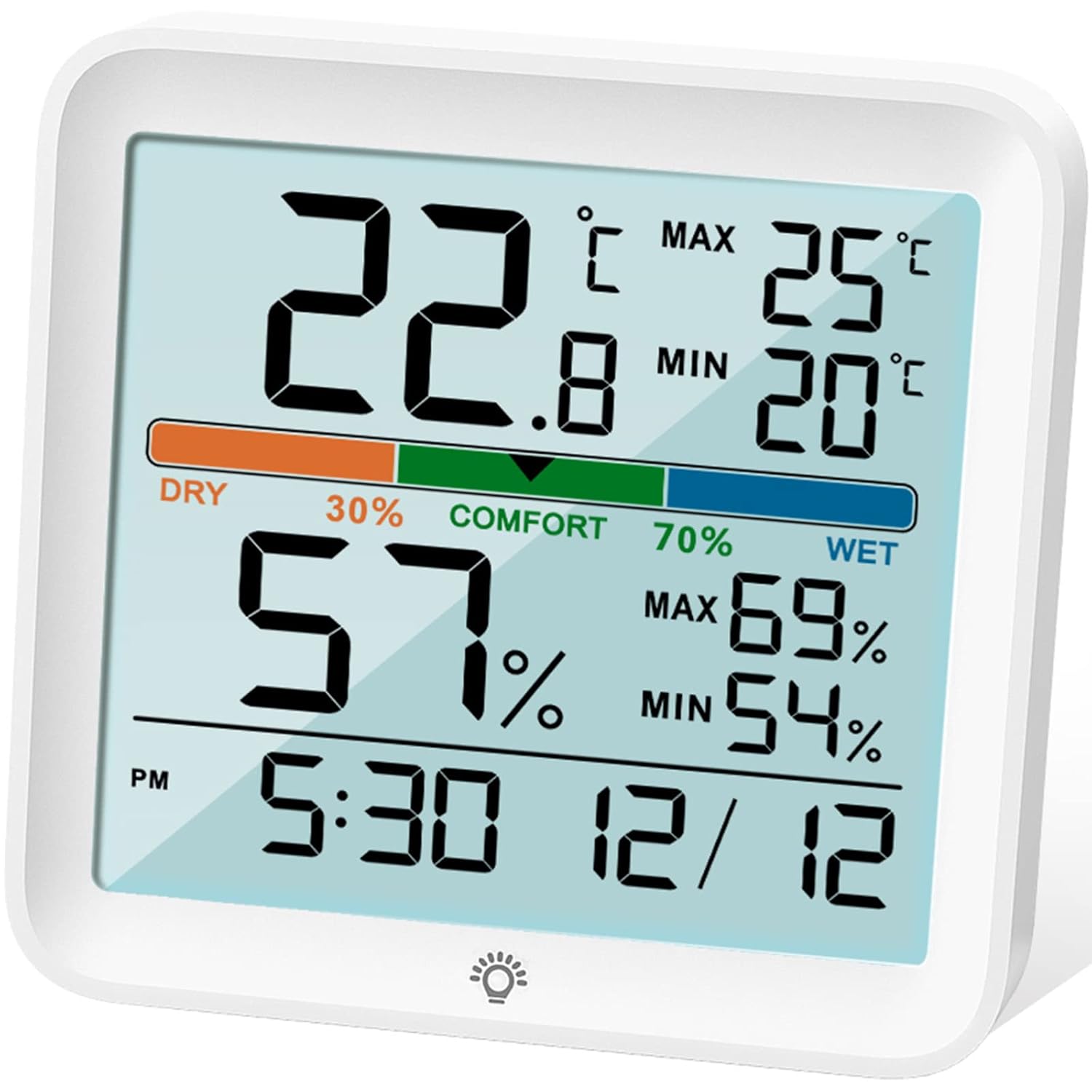
Step 1: Measure Indoor Humidity
In cold weather, indoor humidity should often be below 40%.


Step 2: Identify When Condensation Appears
- Morning only → overnight humidity buildup
- After showers or cooking → localized moisture sources
- All day → overall humidity problem
Step 3: Inspect Air Leaks
Air leaks around windows bring warm moist air into contact with cold surfaces.
Why Replacing Windows Rarely Fixes Condensation
New windows may temporarily reduce condensation but do not address:
- Excess indoor humidity
- Poor ventilation
- Air leakage pathways
Condensation often returns after replacement.
How to Fix Window Condensation Correctly
Reduce Indoor Humidity
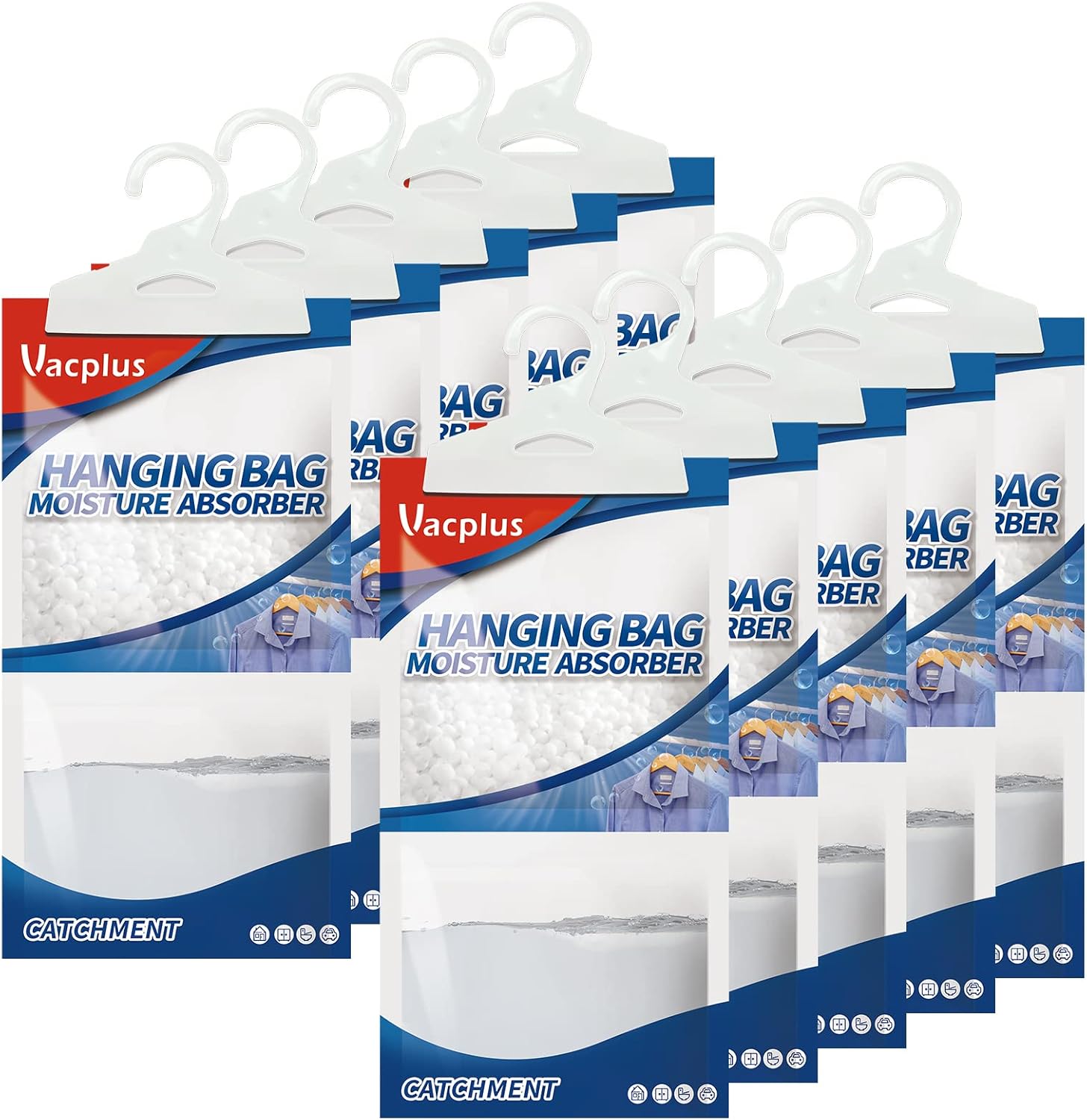
Lower moisture generation and improve removal.
Improve VentilationExhaust moisture at bathrooms and kitchens.
Seal Air LeaksPrevent moist air from reaching cold surfaces.
What NOT to Do
- Do not ignore recurring condensation
- Do not rely on window replacement alone
- Do not cover condensation with trim or caulk
Preventing Condensation Long-Term
- Maintain indoor humidity targets
- Vent moisture-producing rooms
- Monitor seasonal changes
Final Takeaway
Foggy windows are not the problem — they are the symptom. Control indoor moisture, seal air leaks, and condensation disappears without expensive window replacements.
Related Products