How to Identify and Stop Excess Moisture in Your Home (Before Mold Starts)
Excess moisture problems don’t start with mold — they start with water vapor, condensation, or intrusion that goes unnoticed long enough to cause damage.
Most homeowners attack moisture only after visible symptoms appear: musty smells, peeling paint, warped floors, or mold spots. By then, the problem is already established.
This guide is designed to help you stop moisture at the source. It explains:
- How moisture actually gets into homes
- The different types of moisture problems (and why they matter)
- How to diagnose the source step by step
- The fixes that permanently reduce moisture instead of masking it
Why Moisture Is One of the Most Destructive Home Problems
Moisture affects far more than air quality.
Long-term moisture exposure causes:
- Mold and mildew growth
- Wood rot and structural weakening
- Insulation failure
- Rust and corrosion of fasteners
- Dust mite and allergen proliferation
The damage is often hidden inside walls, crawlspaces, and attics.
The Three Types of Moisture Problems (Do Not Confuse These)
1. Bulk Water Intrusion
This is liquid water entering the home.
Common sources:
- Foundation leaks
- Roof leaks
- Plumbing failures
Bulk water problems require physical repairs — not dehumidifiers.
2. Condensation
Condensation occurs when warm, moist air contacts cold surfaces.
Common signs:
- Water droplets on windows
- Damp walls or corners
- Wet insulation
Condensation is usually an air-sealing and ventilation issue.
3. Humidity Buildup
This is excess water vapor trapped indoors.
Common causes:
- Poor ventilation
- Basements and crawlspaces
- Seasonal climate conditions
Humidity problems respond well to control systems — when sized correctly.
Step-by-Step: How to Identify Your Moisture Source
Step 1: Look for Patterns
Moisture problems follow patterns.
- After rain → likely intrusion
- Cold weather → condensation
- Summer humidity → vapor buildup
Step 2: Check the Lowest Points First
Basements and crawlspaces collect moisture first.
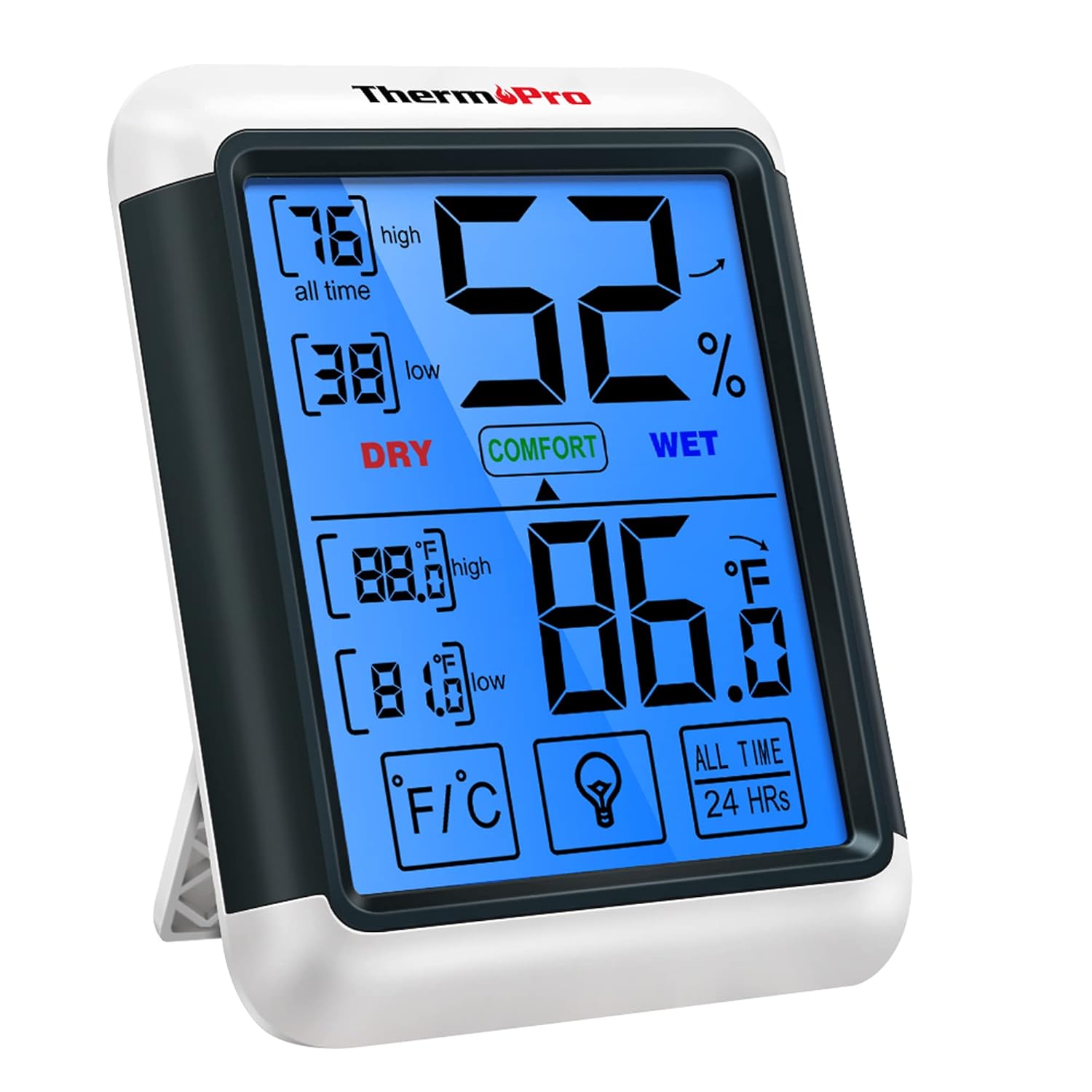
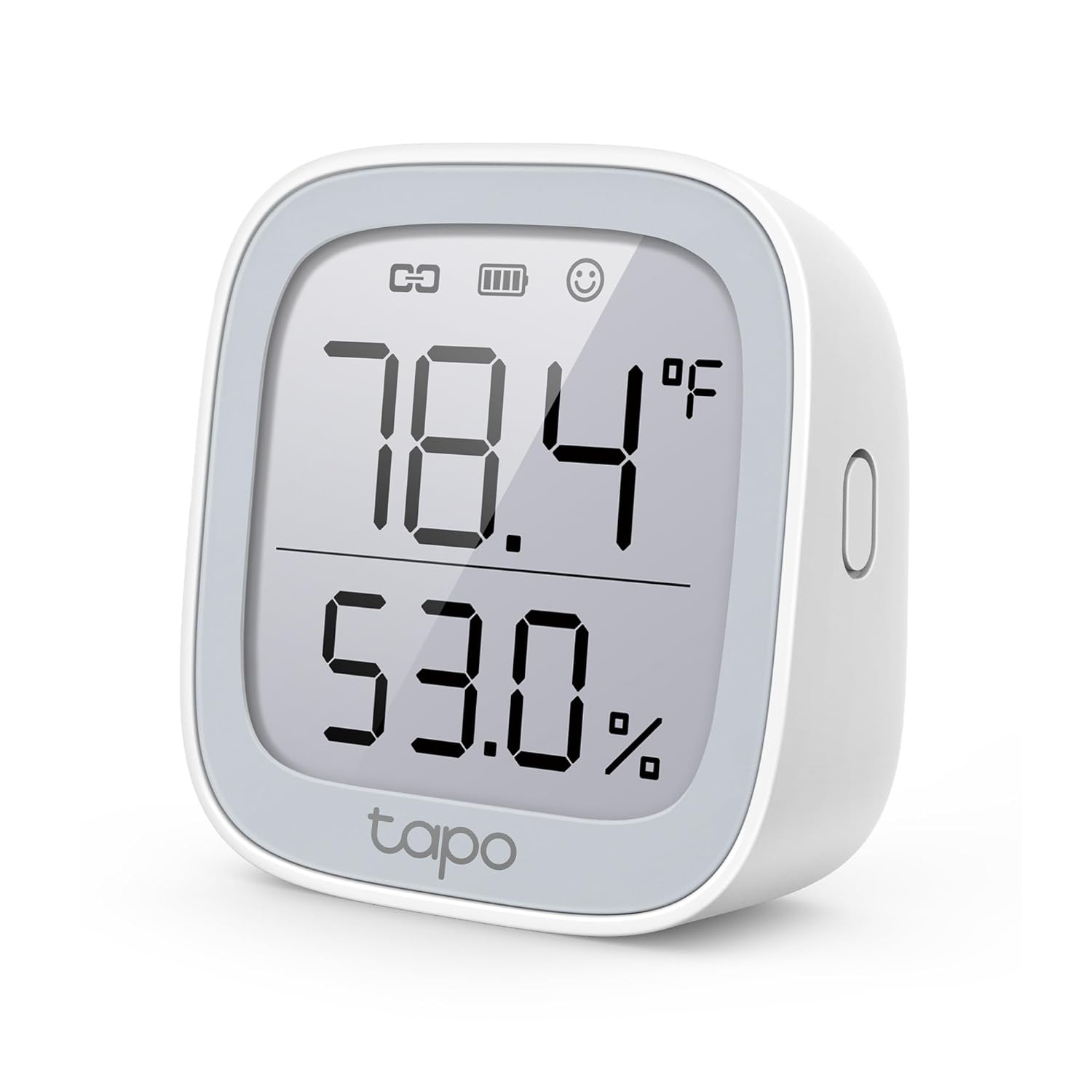
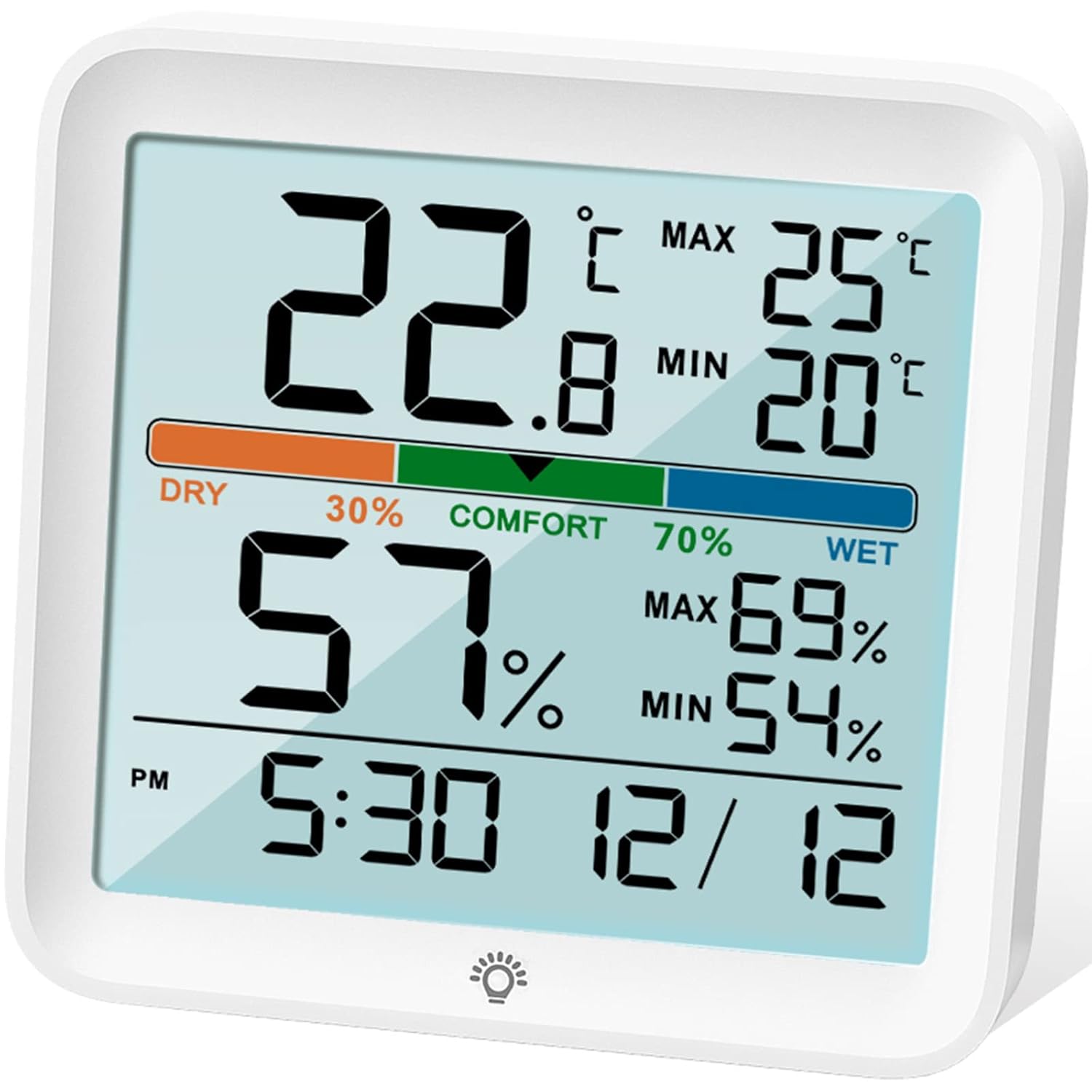
Step 3: Measure Indoor Humidity
Relative humidity should stay between 30–50%.

Why “Masking” Moisture Never Works
Air fresheners, surface cleaners, and temporary fans treat symptoms — not causes.
If moisture returns, mold and damage will follow.
How to Stop Moisture at the Source
Fix Intrusion First
Repair leaks before addressing humidity.
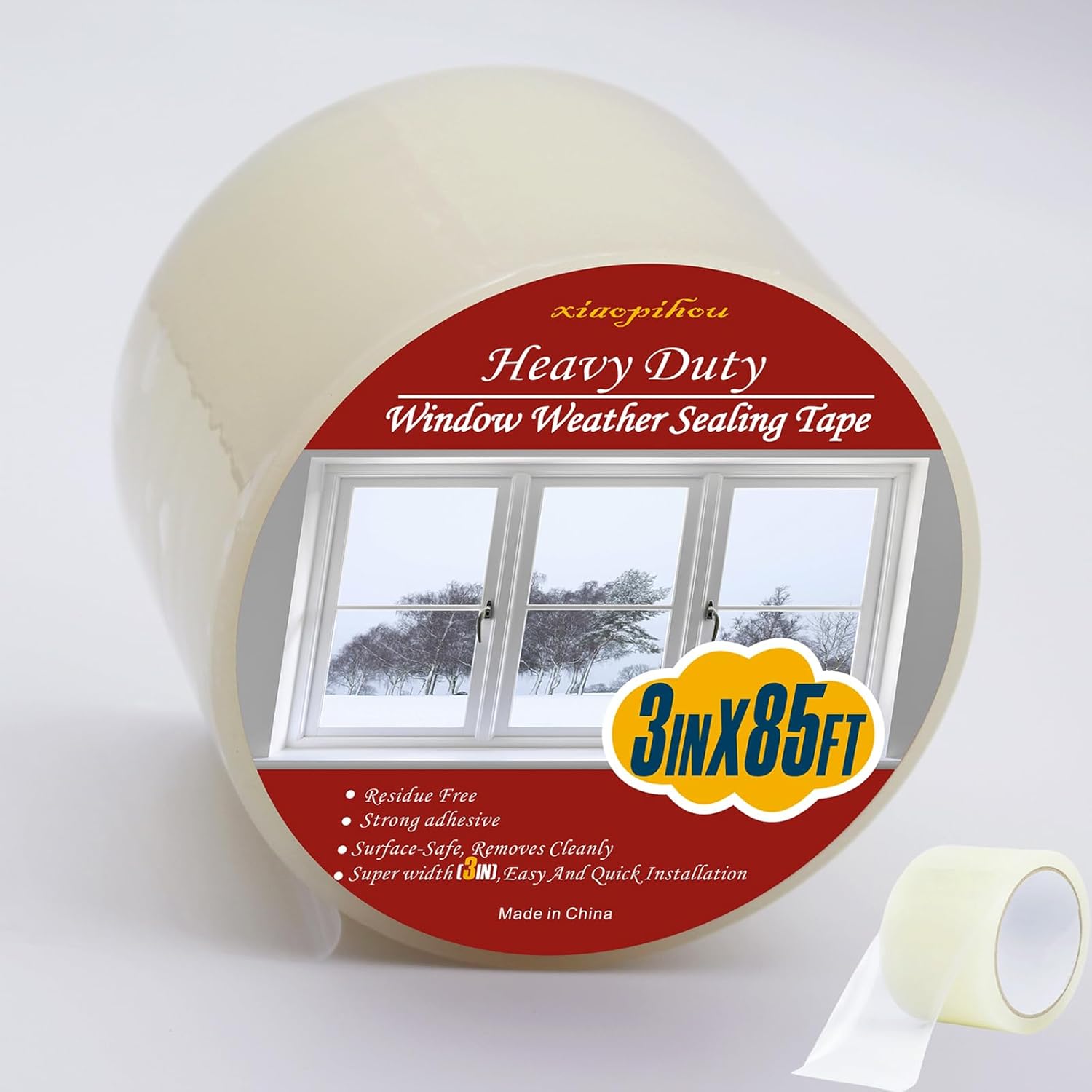
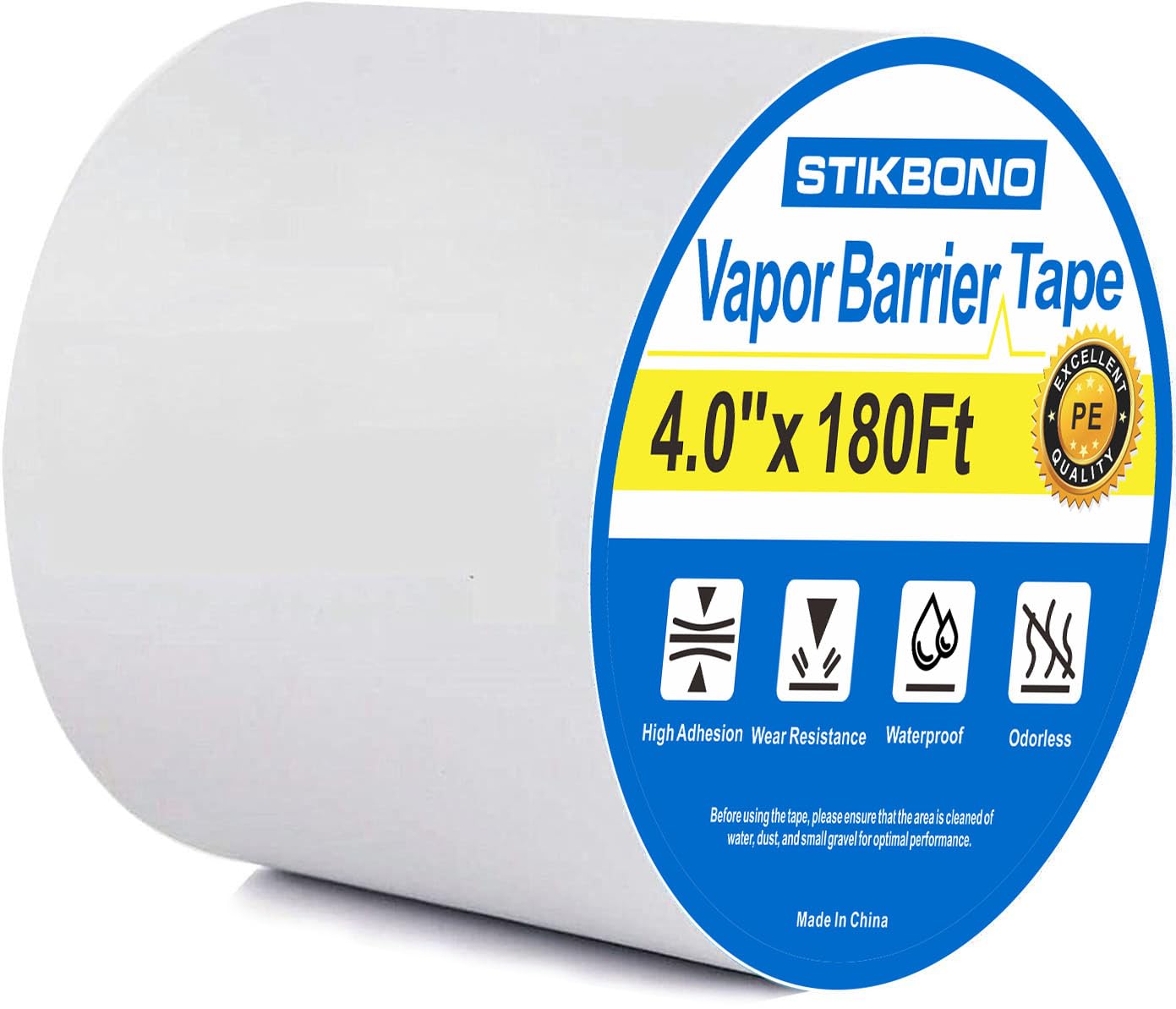
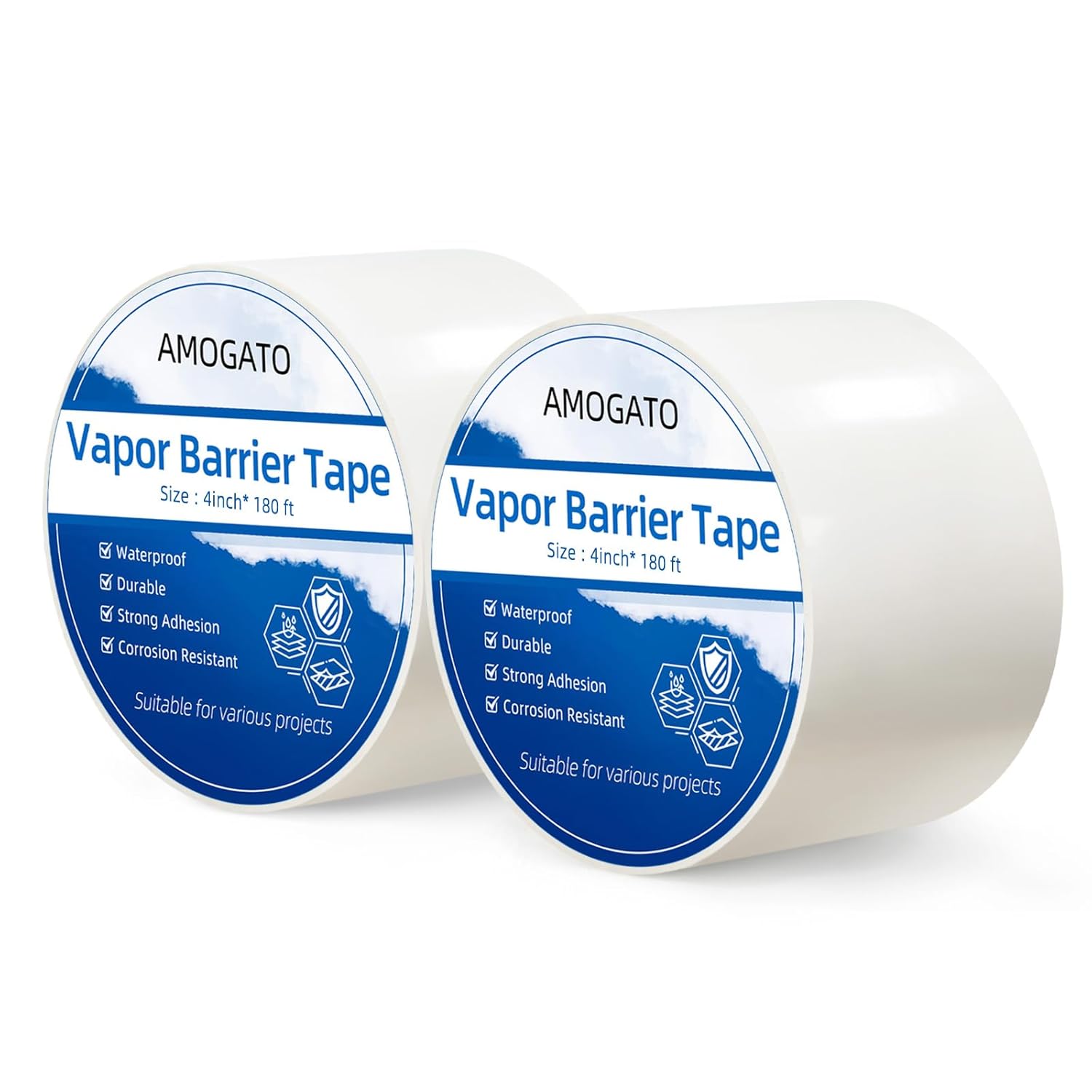
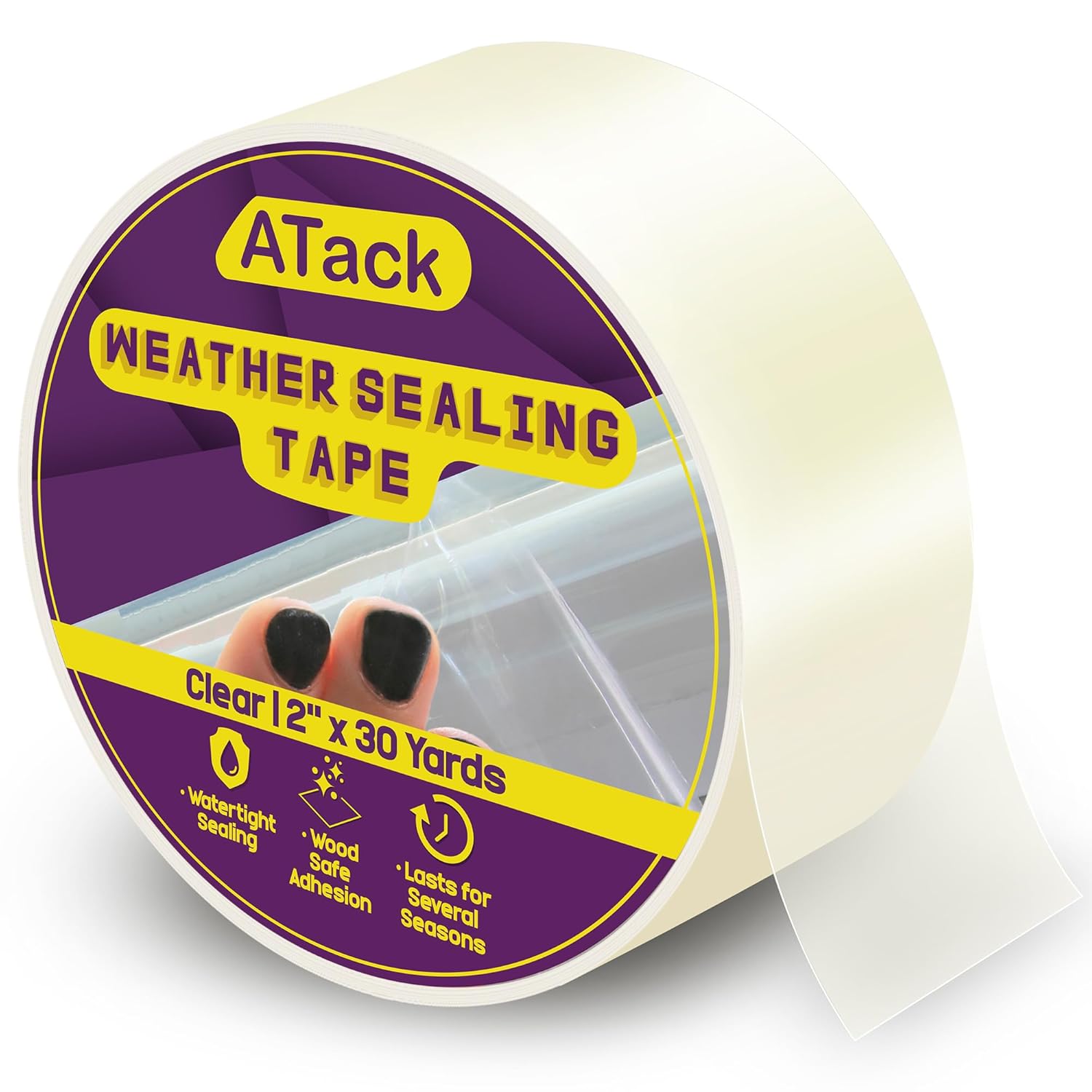
Control Air MovementSeal air leaks that carry moisture into cold spaces.
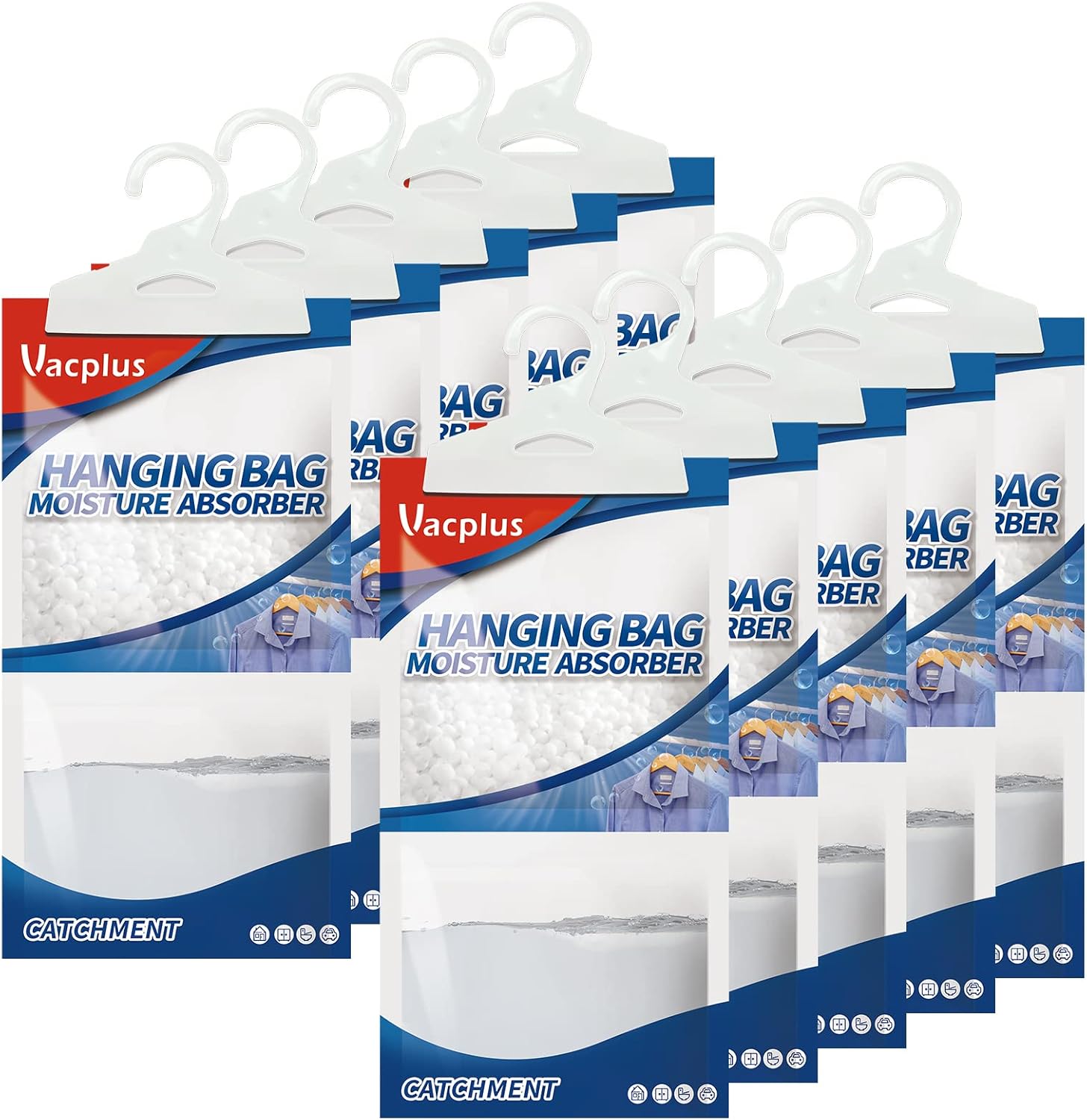
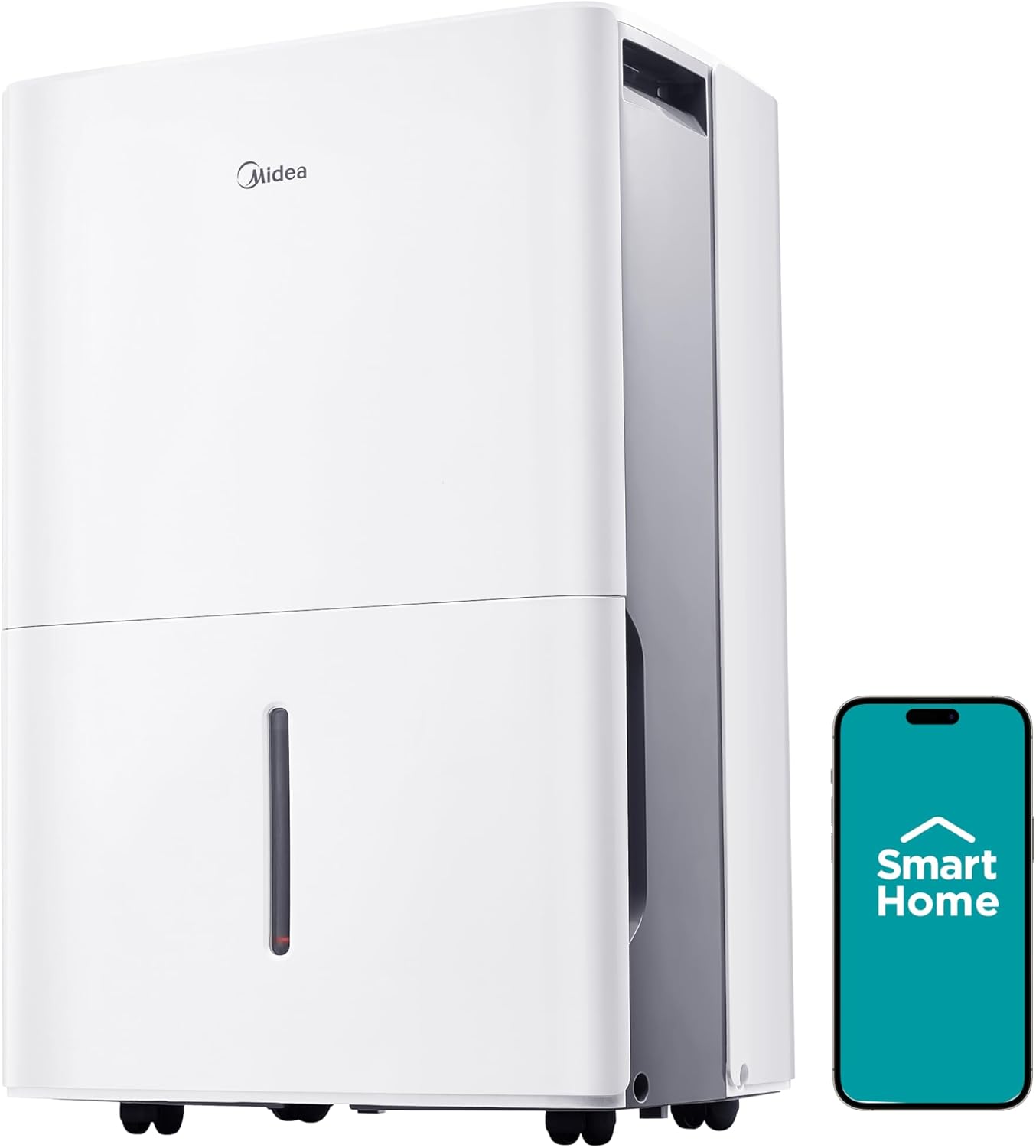
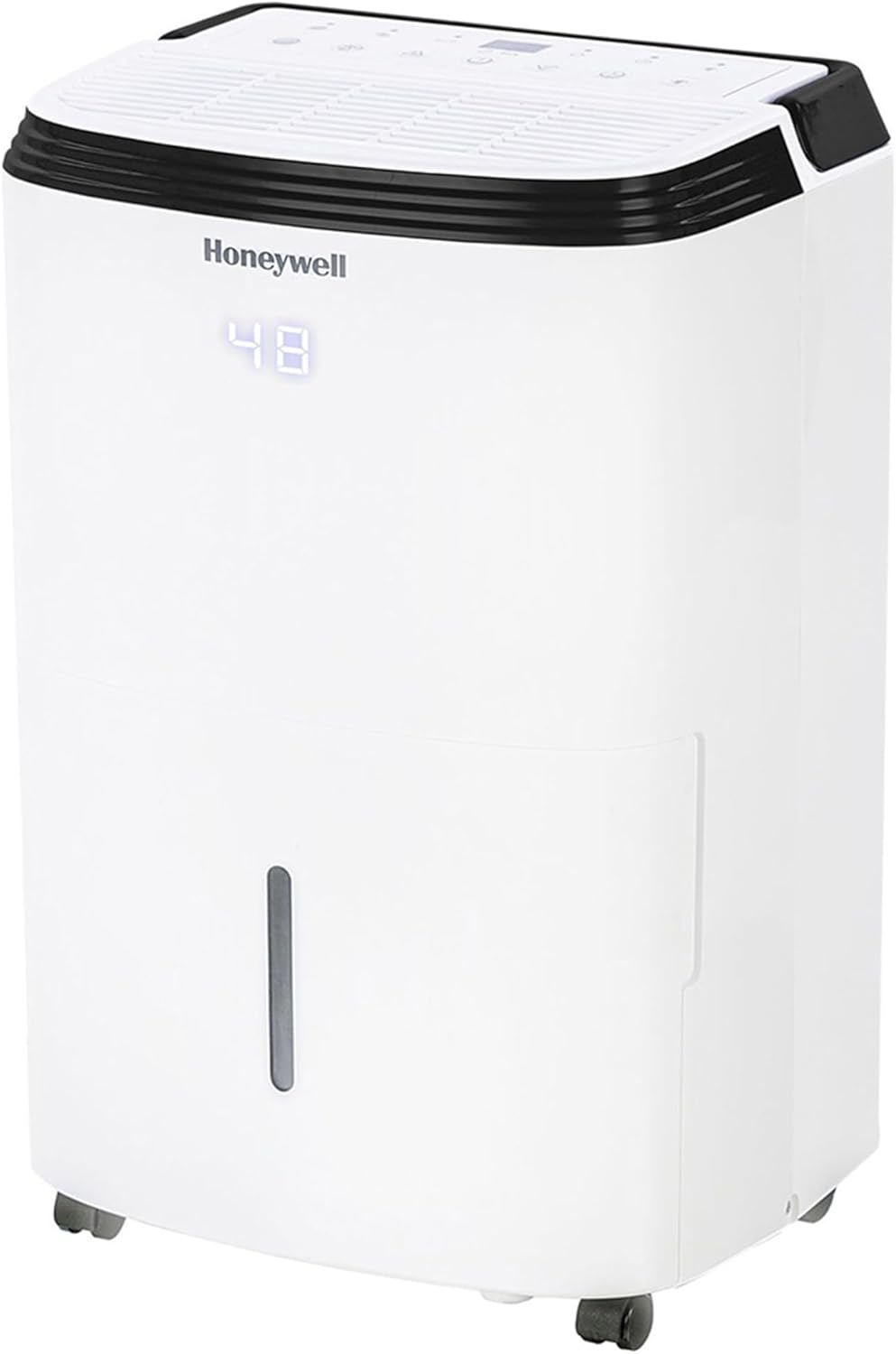
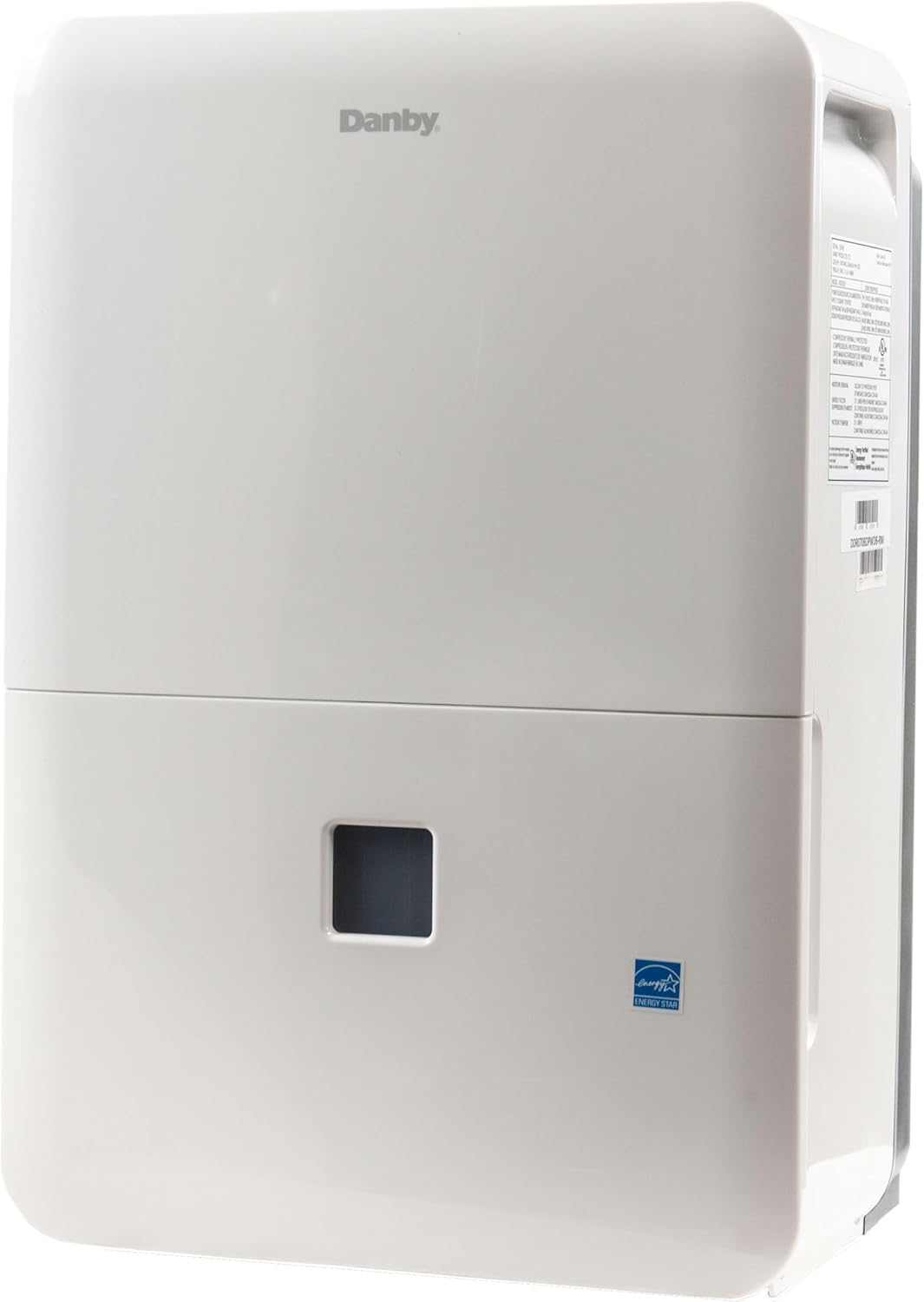
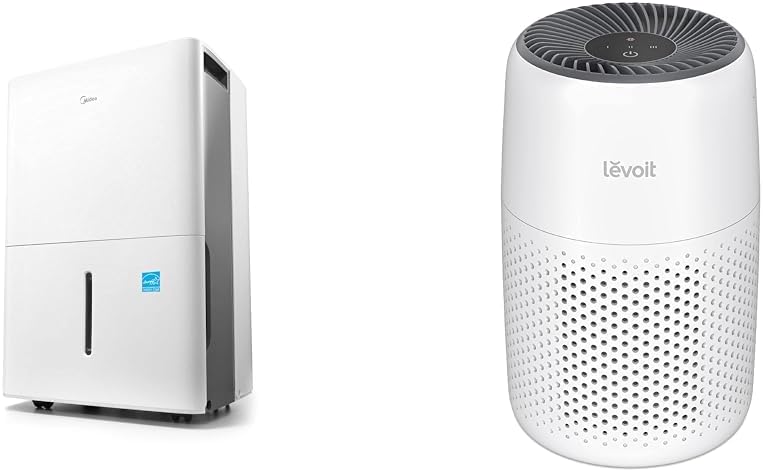
Manage HumidityUse properly sized moisture-control systems for basements and living spaces.
What NOT to Do
- Do not rely on dehumidifiers to fix leaks
- Do not ignore crawlspaces
- Do not assume mold is the first problem
Preventing Moisture Long-Term
- Monitor humidity year-round
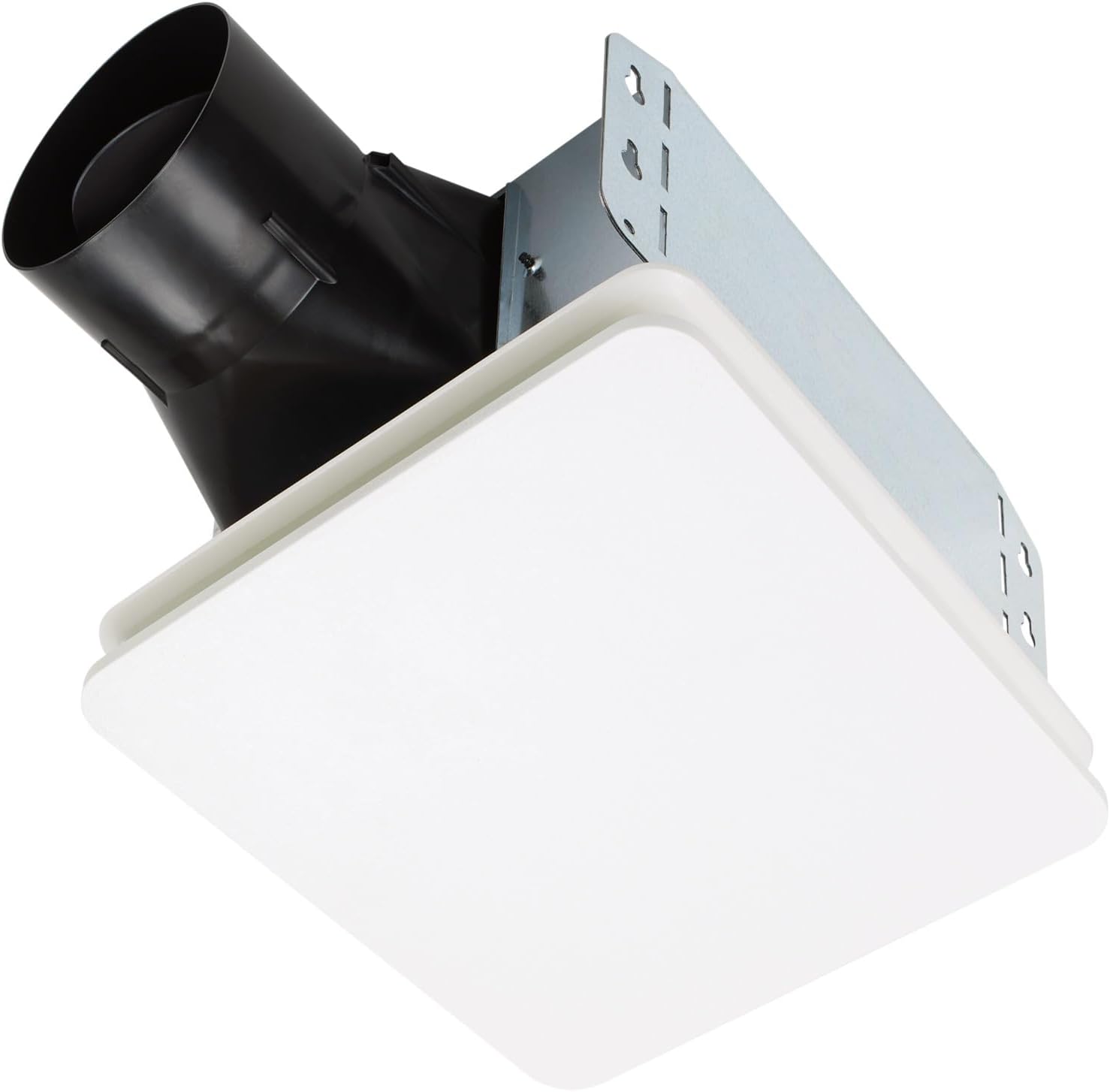
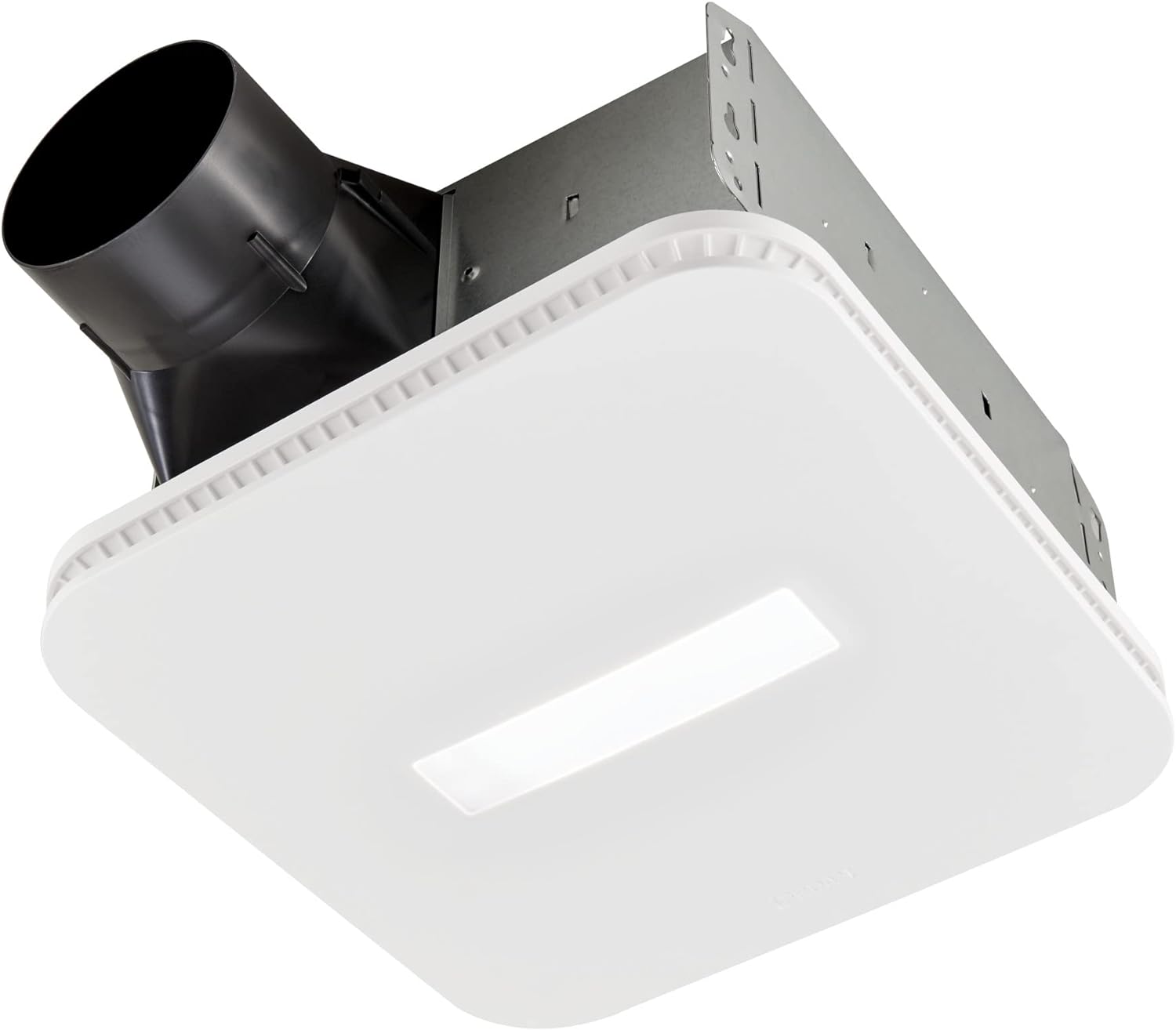
- Vent kitchens and bathrooms properly
- Address grading and drainage outdoors
Final Takeaway
Stopping home moisture is about understanding how water moves — as liquid and vapor. Identify the source, fix the pathway, and control humidity, and moisture problems stop permanently instead of cycling forever.
Related Products