Seasonal Moisture Problems Explained: Why Humidity Spikes in Summer and Winter
Many moisture problems seem to appear out of nowhere when seasons change. Windows fog in winter. Basements feel damp in summer. Mold appears during shoulder seasons.
The home hasn’t changed — the physics have.
Seasonal temperature shifts change how air holds moisture, how buildings move air, and where condensation occurs.
This guide explains:
- Why moisture problems are seasonal
- How summer and winter humidity behave differently
- What seasonal symptoms actually indicate
- How to control moisture year-round instead of reacting seasonally
Why Moisture Behaves Differently by Season
Air’s ability to hold moisture depends on temperature.
Warm air holds more moisture. Cold air holds less.
As seasons change:
- Dew points shift
- Air pressure patterns change
- Condensation locations move
These shifts expose moisture weaknesses in different parts of the home.
Summer Moisture Problems Explained
Summer moisture is driven by high outdoor humidity.
Common summer symptoms:
- Damp basements
- Musty odors
- Condensation on cold surfaces
- Mold growth in closed spaces
Warm outdoor air enters the home and condenses when it contacts cooler interior surfaces.
Winter Moisture Problems Explained
Winter moisture is driven by indoor humidity trapped by cold air.
Common winter symptoms:
- Foggy windows
- Frost on attic nails
- Peeling paint
- Ice dams
Warm indoor air leaks upward and condenses in cold spaces.
Spring and Fall: The Shoulder Season Trap
During transitional seasons:
- Heating and cooling systems cycle less
- Ventilation becomes inconsistent
- Humidity control weakens
These conditions allow moisture to accumulate quietly.
Step-by-Step: Diagnosing Seasonal Moisture Issues
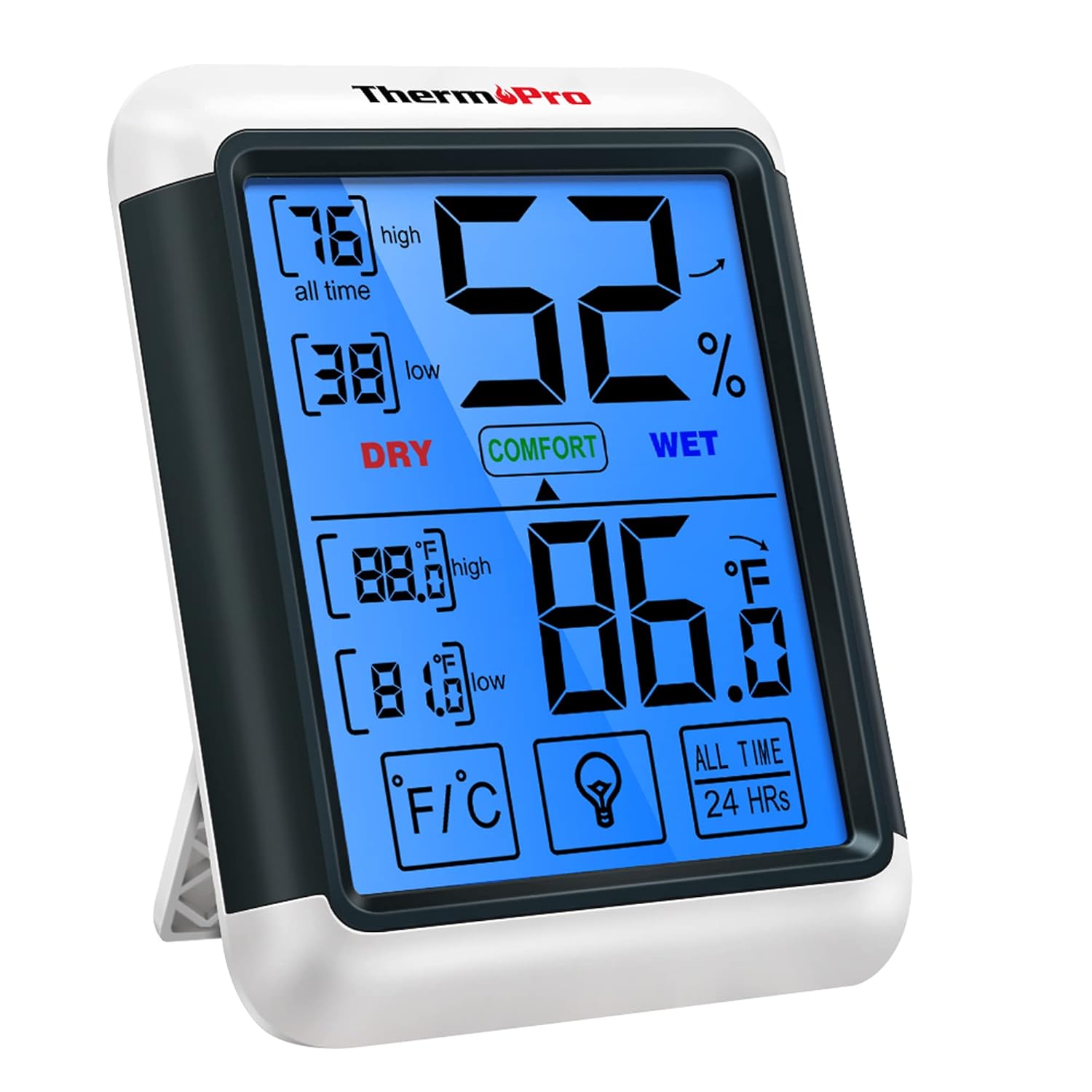
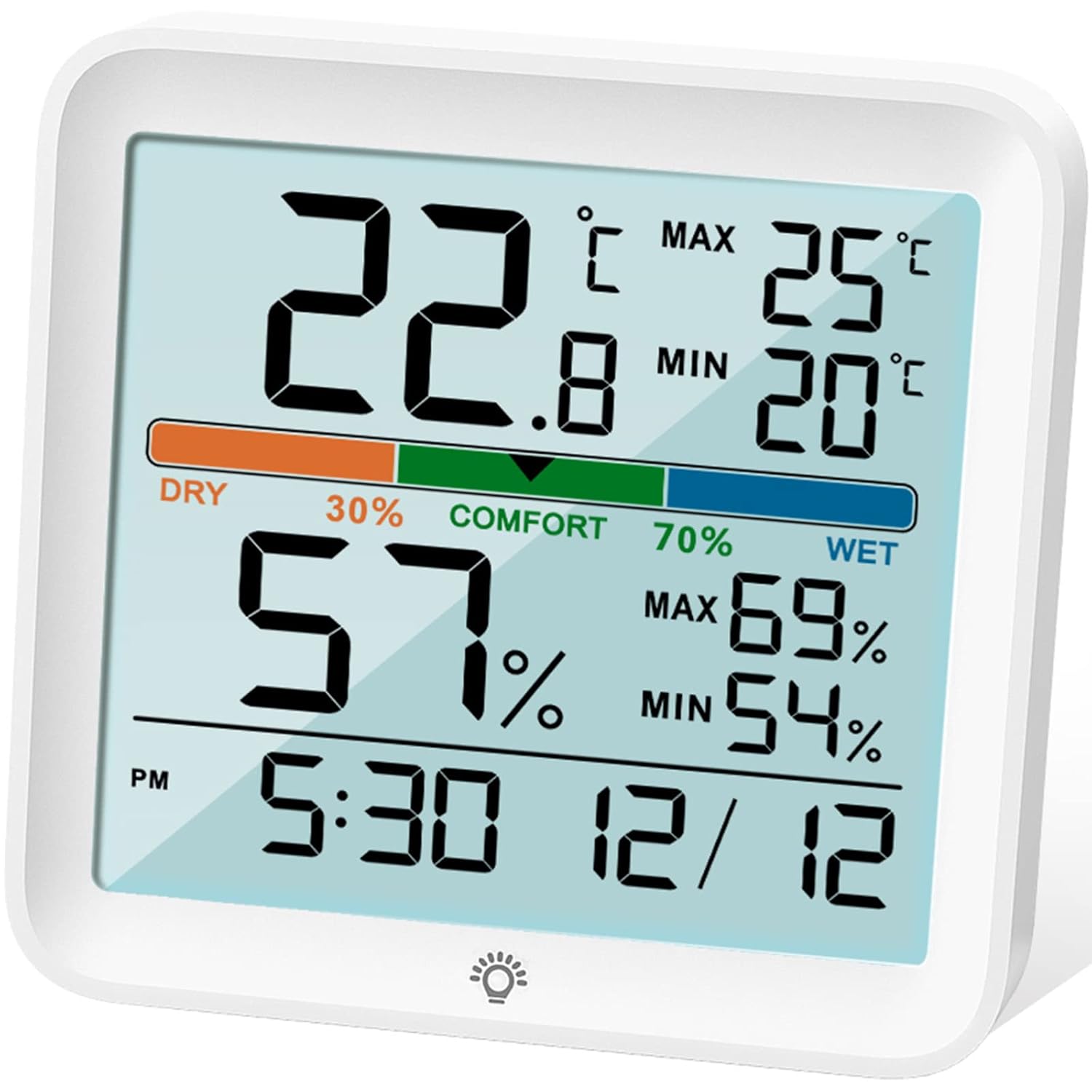
Step 1: Track Humidity Over Time
Spotting seasonal patterns requires monitoring.


Step 2: Match Symptoms to Seasons
Different symptoms point to different moisture pathways.
Step 3: Identify Weak Points
Seasonal problems reveal insulation, air sealing, or ventilation gaps.
Why One Solution Rarely Works Year-Round
Fans, dehumidifiers, and ventilation all behave differently across seasons.
Moisture control must adapt.
How to Control Moisture Year-Round
Adjust Humidity Targets Seasonally
Lower targets in winter, higher in summer.
Vent Moisture Sources IntentionallyBathrooms and kitchens require consistent exhaust.
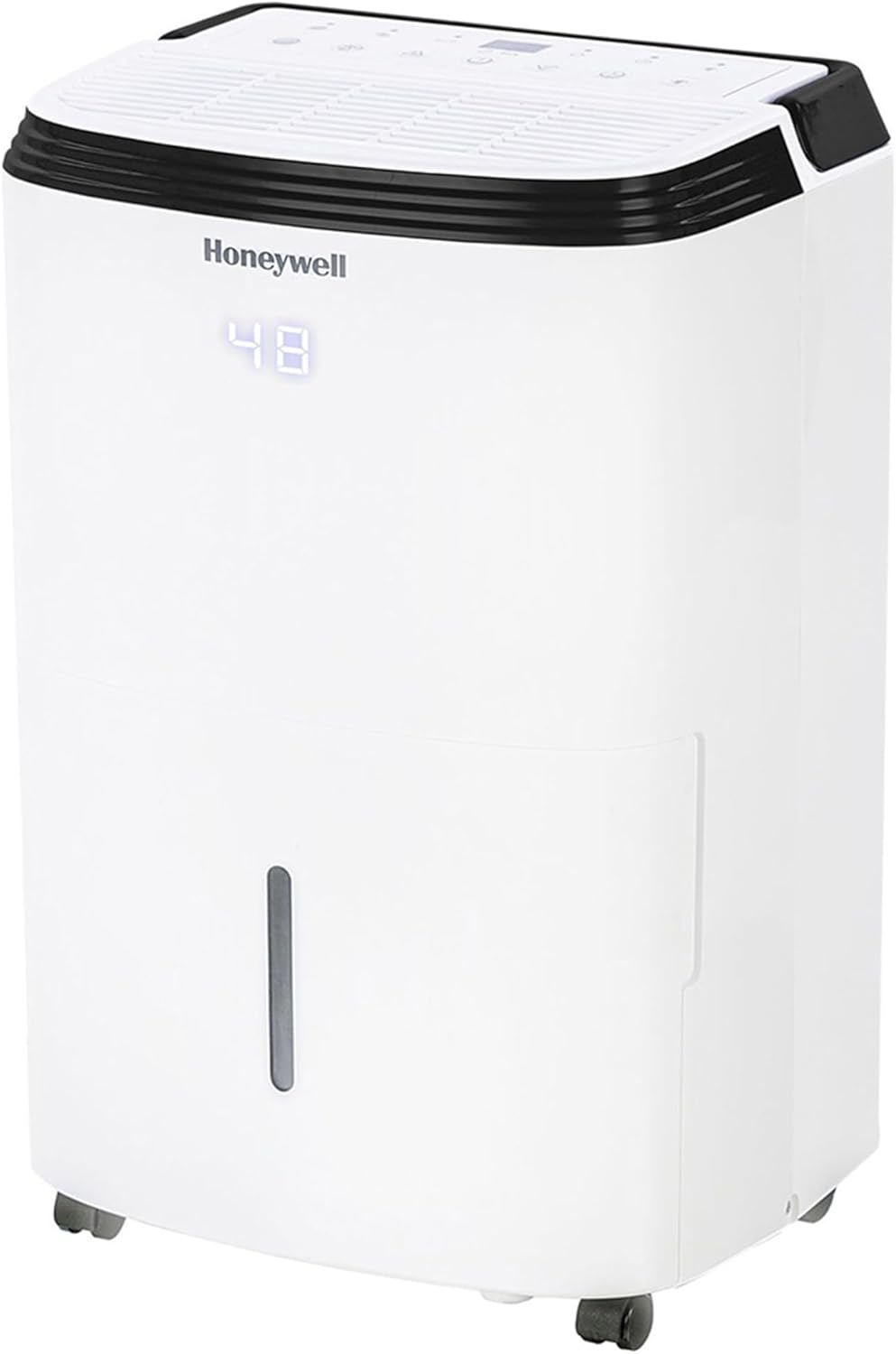
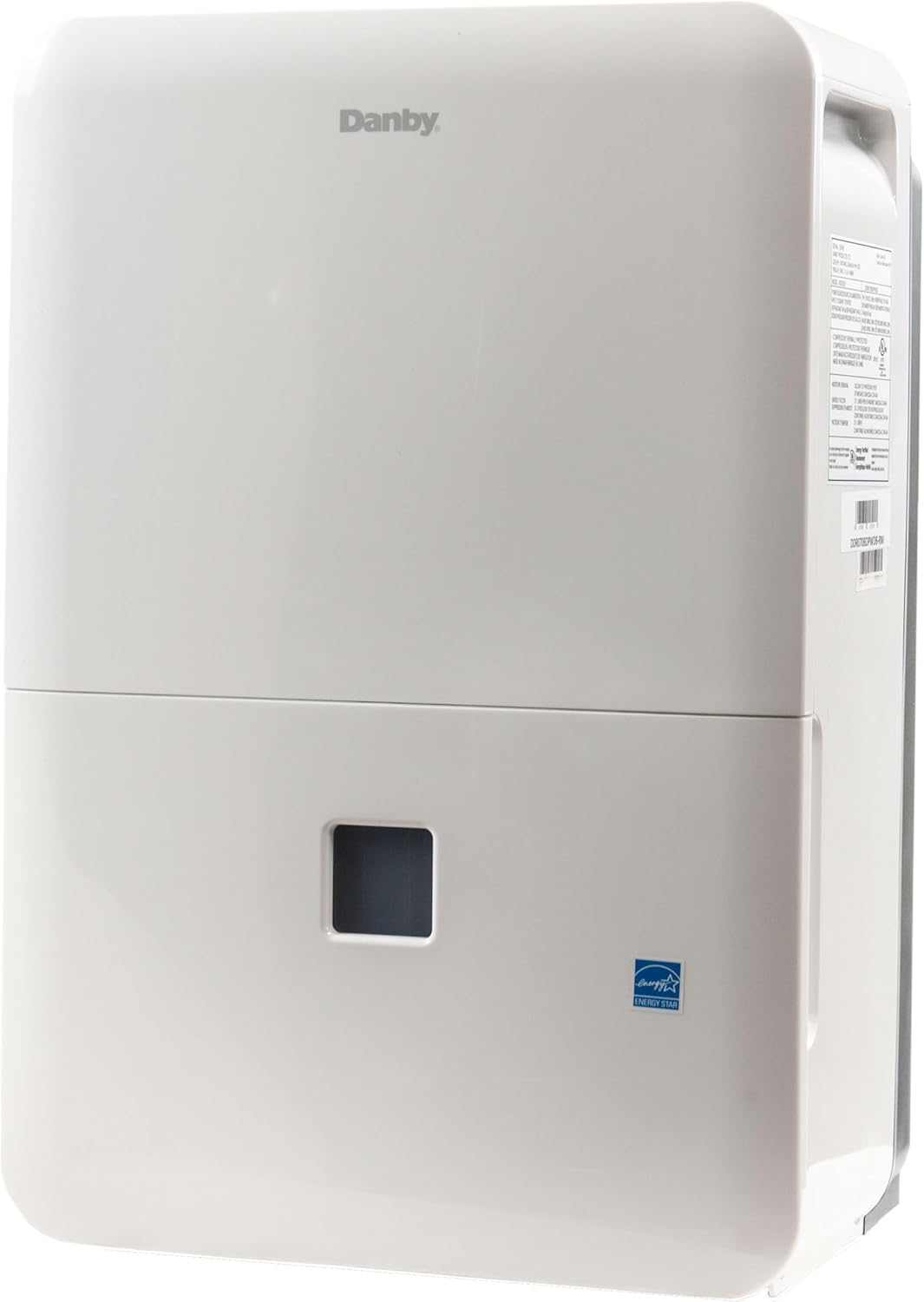
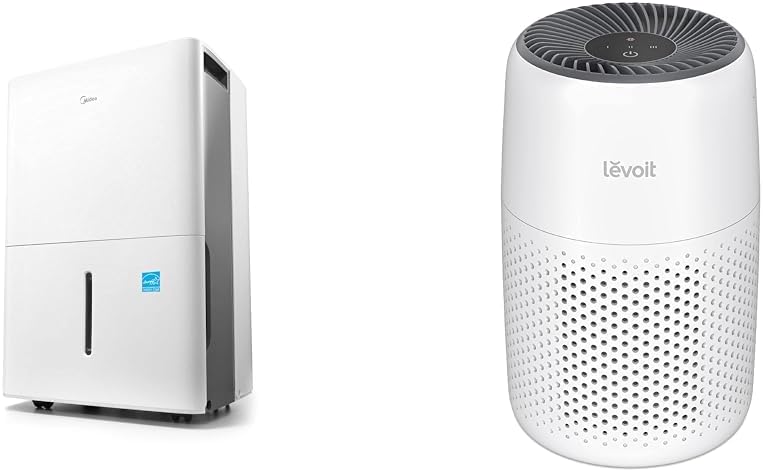
Use Active Moisture ControlBasements and crawlspaces often need dedicated control.

What NOT to Do
- Do not ignore seasonal trends
- Do not rely on one tool year-round
- Do not assume moisture problems are random
Long-Term Seasonal Moisture Management
- Monitor humidity continuously
- Adjust strategies as seasons change
- Address building envelope weaknesses
Final Takeaway
Seasonal moisture problems aren’t mysterious — they follow physics. Understanding how humidity behaves in summer and winter allows you to control moisture proactively instead of reacting to damage.
Related Products