Kitchen Moisture Problems Explained: Cooking Steam, Hidden Humidity, and How to Control It
Kitchens are often overlooked when diagnosing home moisture problems. Because water is expected in kitchens, excess humidity tends to be dismissed as normal — until cabinets swell, paint peels, or mold appears behind appliances.
Unlike bathrooms, kitchen moisture is often continuous and cumulative rather than obvious and sudden.
This guide explains:
- Why kitchens quietly accumulate moisture
- How cooking and appliances contribute to humidity
- Why range hoods often fail to remove moisture
- How to control kitchen moisture long-term
Why Kitchens Generate So Much Moisture
Everyday kitchen activities release large amounts of water vapor.
Major contributors include:
- Boiling and simmering food
- Dishwashers releasing steam at cycle end
- Gas burners producing combustion moisture
- Refrigerators and ice makers
Without proper removal, this moisture spreads into walls, cabinets, and adjacent rooms.
The Hidden Nature of Kitchen Moisture
Kitchen moisture often causes damage where it’s hardest to see:
- Behind cabinets
- Under sinks
- Behind refrigerators and dishwashers
- Inside exterior walls
Because the signs are subtle, problems often develop slowly over time.
Why Range Hoods Often Don’t Work
1. Recirculating Hoods
Many range hoods do not vent outdoors. They filter grease but leave moisture behind.
2. Undersized FansLow-CFM hoods cannot keep up with steam production.
3. Poor Duct DesignLong or restrictive duct runs reduce airflow dramatically.
4. Pressure ImbalanceWithout makeup air, exhaust effectiveness drops.
Common Signs of Kitchen Moisture Problems
- Condensation on windows while cooking
- Swollen cabinet doors
- Peeling paint near ceilings
- Musty odors near appliances
Step-by-Step: How to Diagnose Kitchen Moisture
Step 1: Observe During Cooking
Watch where steam goes when boiling water.
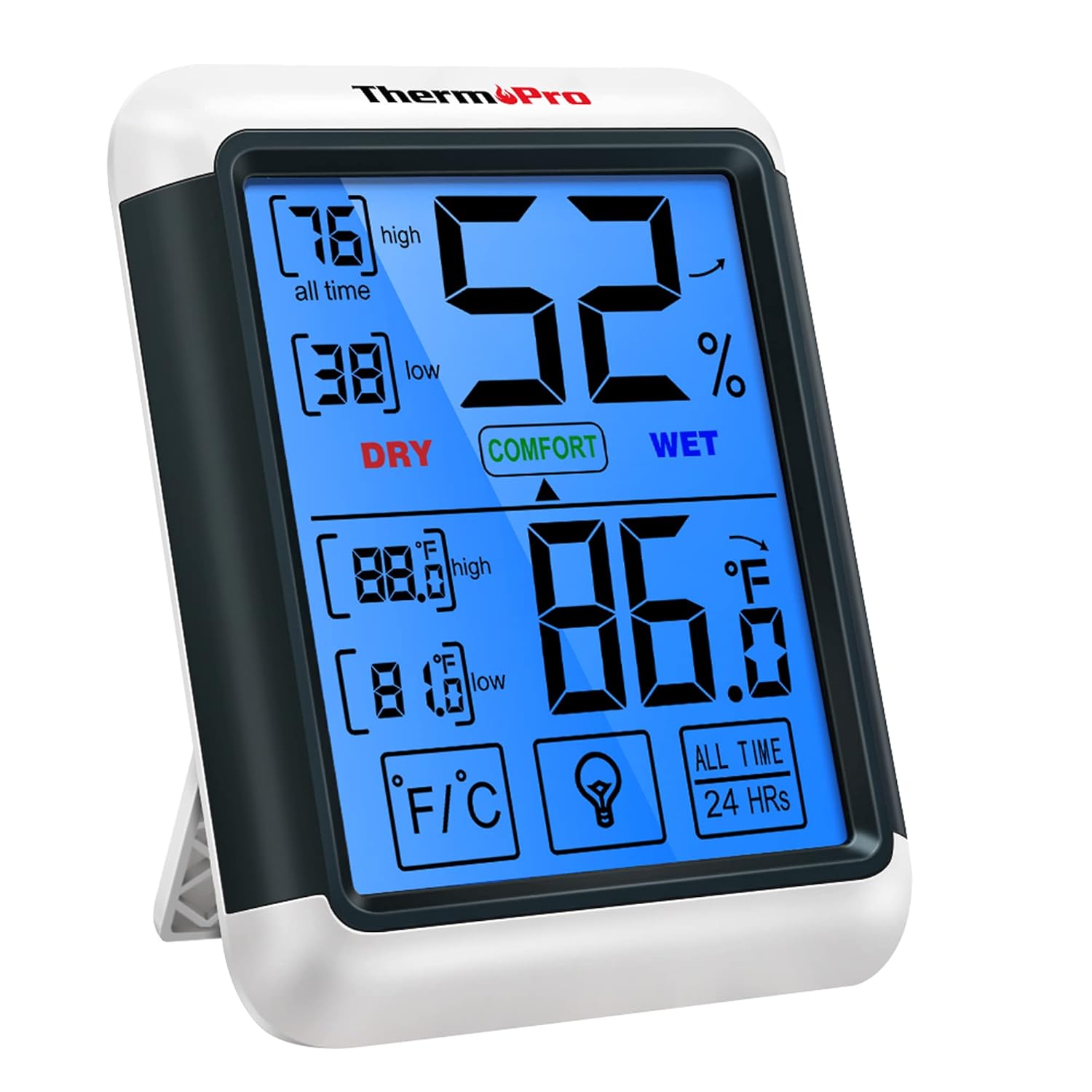
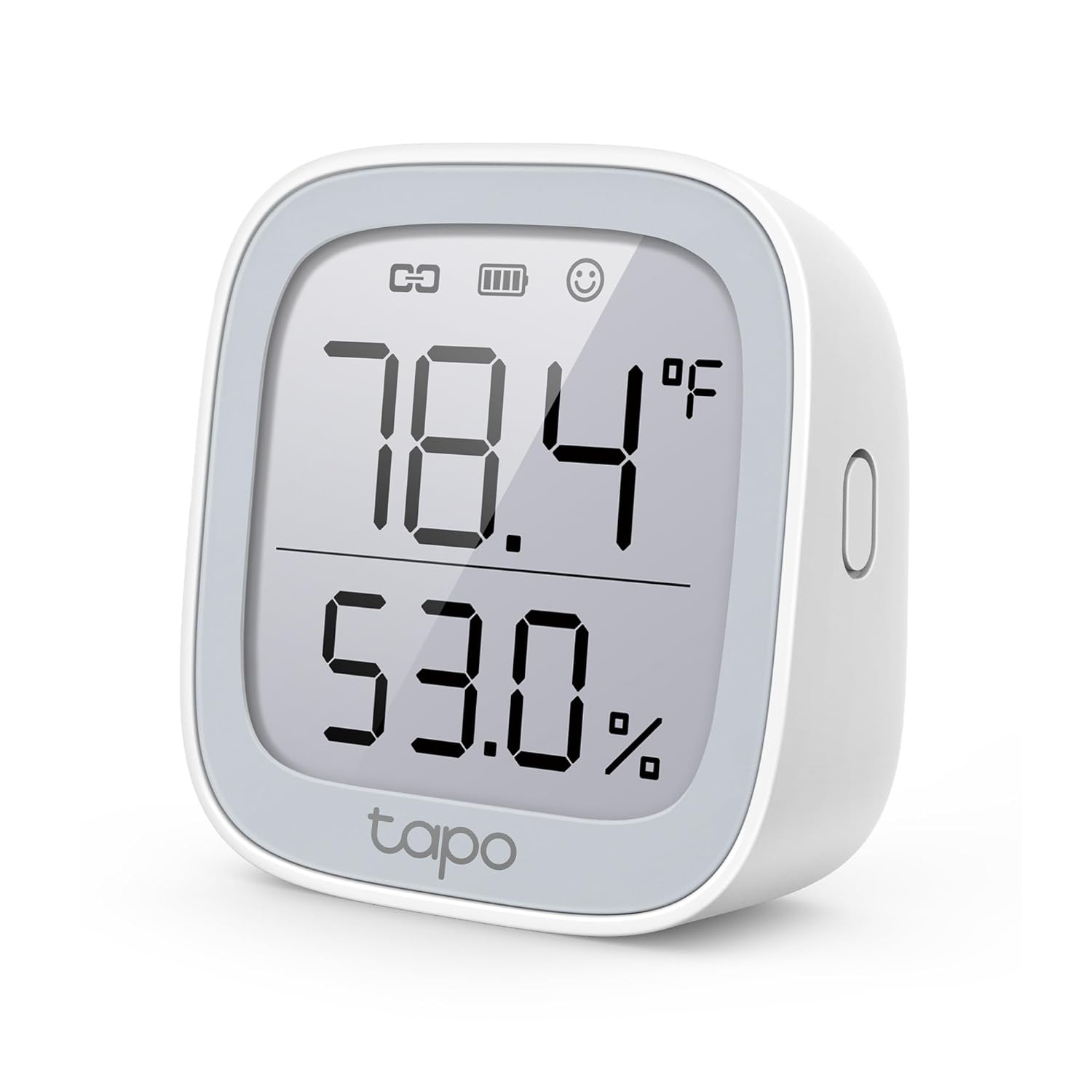
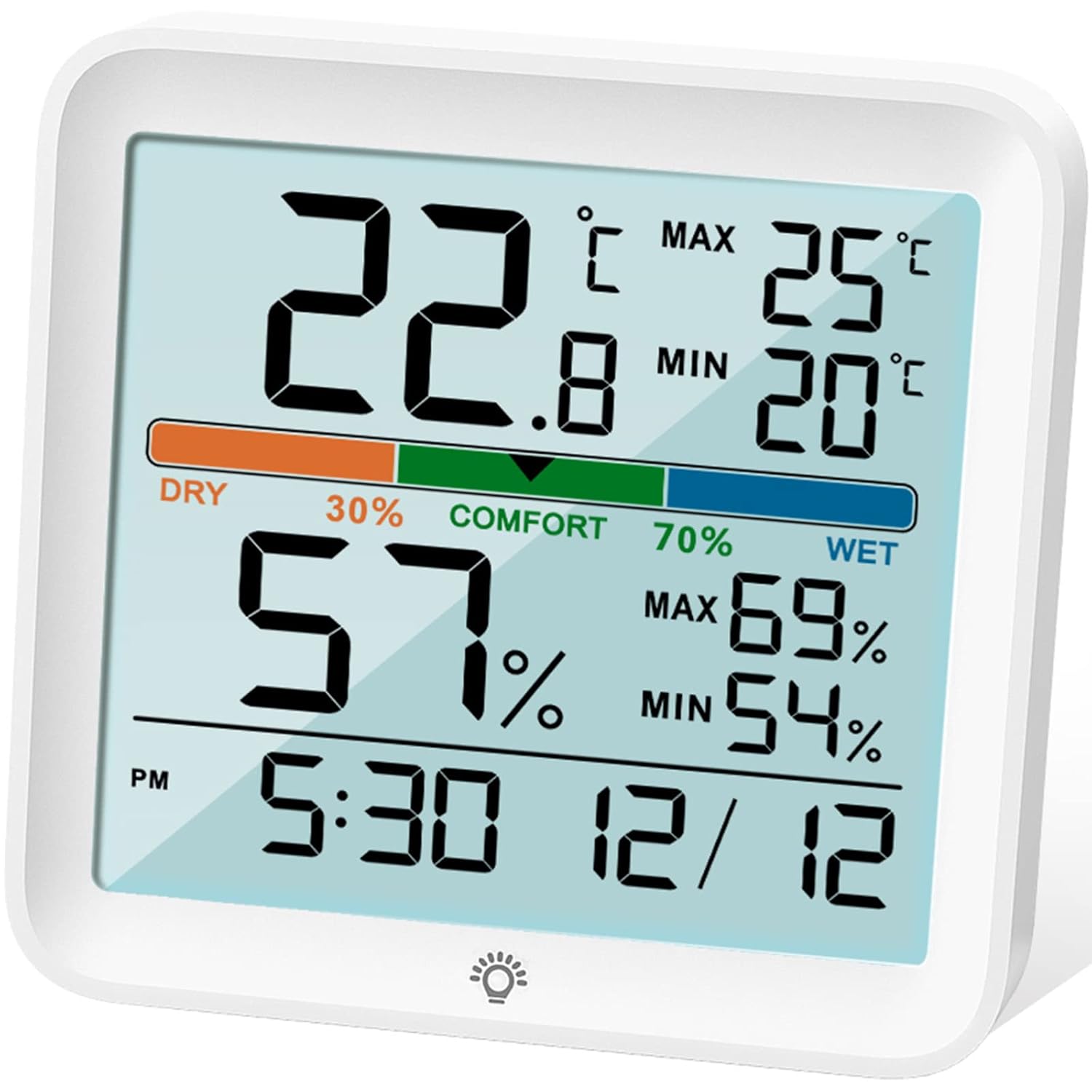
Step 2: Measure Humidity Spikes
Kitchen humidity should return to baseline quickly after cooking.

Step 3: Inspect Venting
Confirm that range hoods vent outdoors, not into cabinets or attics.
How to Fix Kitchen Moisture Correctly
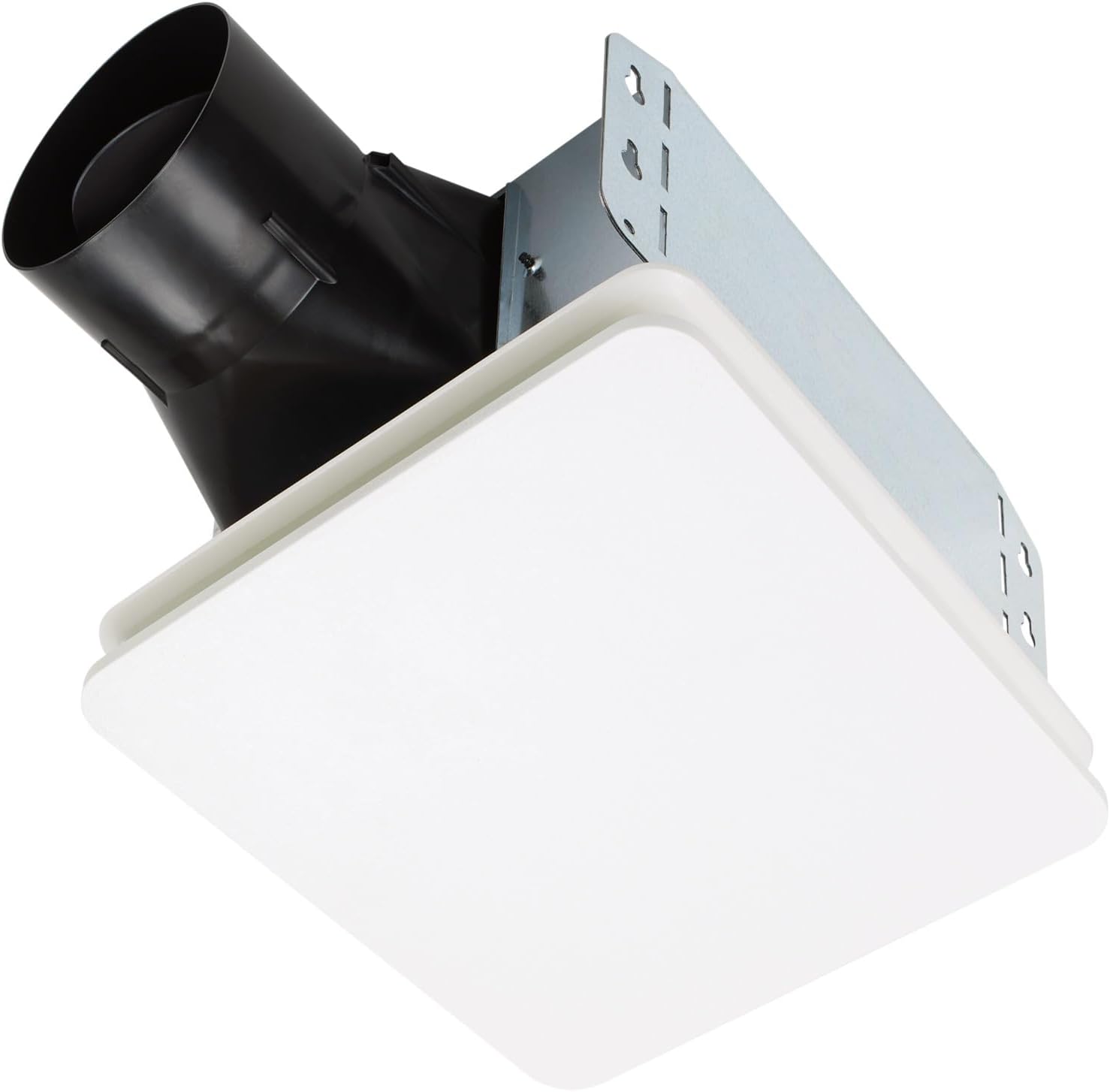
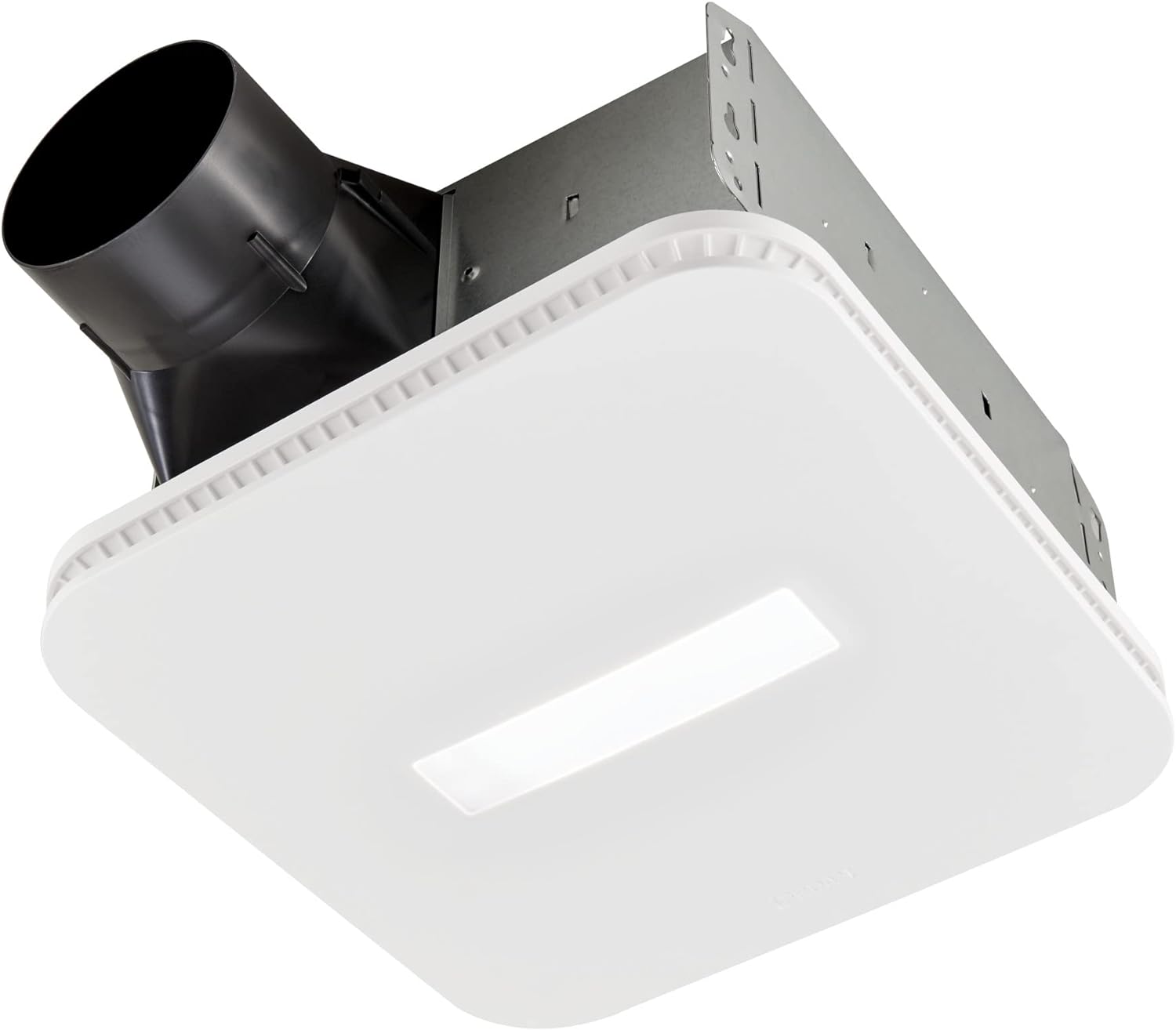
Use a Properly Vented Range Hood
Outdoor venting removes moisture instead of redistributing it.
Size the Hood CorrectlyHigher heat output requires higher airflow.
Run the Hood Long EnoughMoisture lingers after cooking ends.
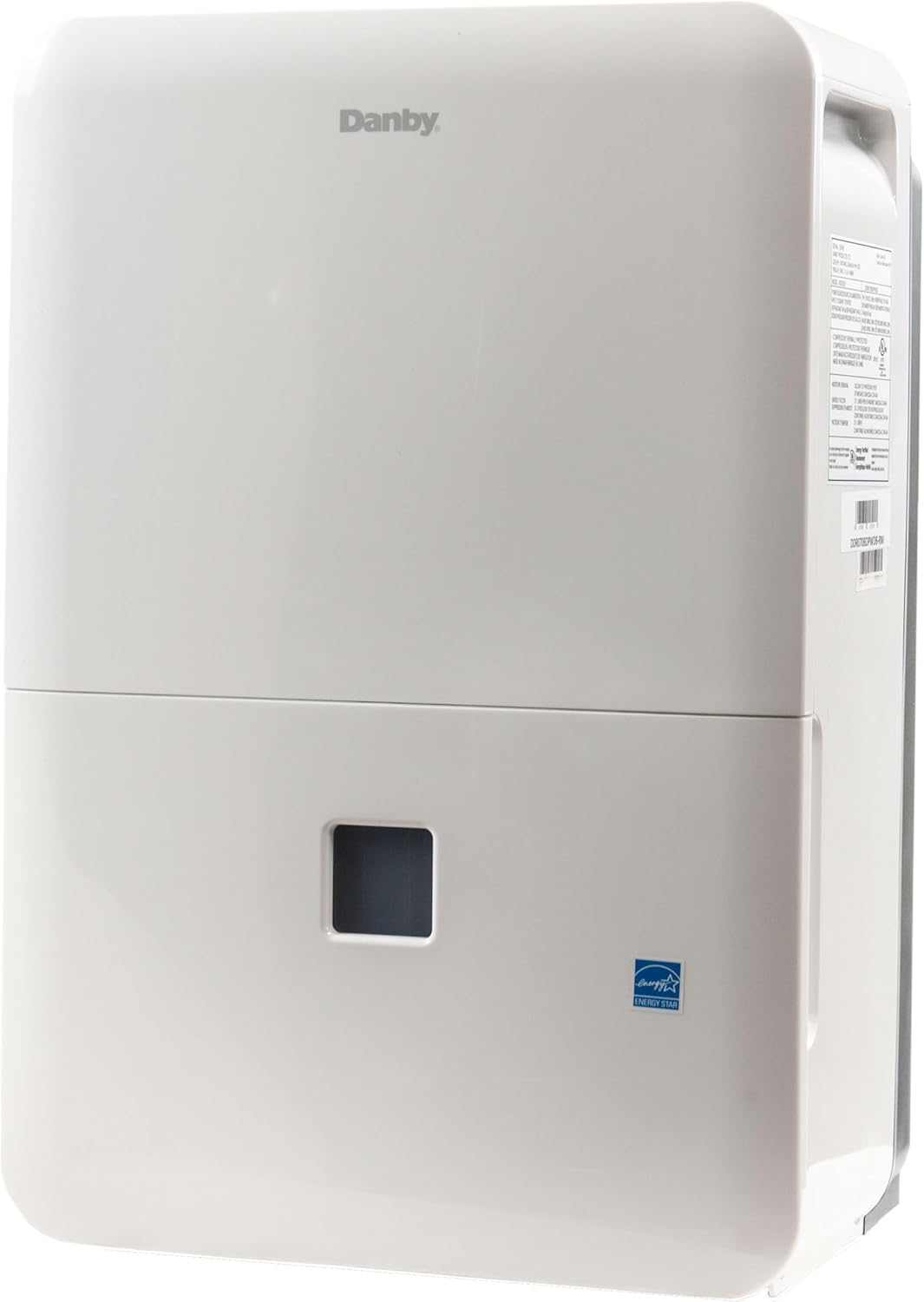
Why Dehumidifiers Are a Poor Primary Fix
Dehumidifiers remove moisture slowly and cannot keep up with active cooking.
They are supplemental tools, not primary solutions.
What NOT to Do
- Do not rely on recirculating hoods
- Do not ignore dishwasher steam
- Do not assume moisture damage is cosmetic
Preventing Kitchen Moisture Long-Term
- Vent outdoors whenever cooking
- Maintain appliance seals and connections
- Monitor humidity trends
Final Takeaway
Kitchen moisture problems are quiet but persistent. Proper ventilation, correct hood design, and active moisture removal prevent long-term damage that often goes unnoticed until repairs are expensive.
Related Products