Humidifier and HVAC Moisture Problems Explained: When Comfort Systems Cause Humidity
Heating and cooling systems move massive volumes of air through a home. When moisture is added, removed, or redistributed incorrectly, HVAC systems can quietly drive condensation, mold, and humidity problems throughout the house.
Many homeowners assume HVAC-related moisture issues are unavoidable or seasonal. In reality, most are caused by setup, sizing, or control errors.
This guide explains:
- How HVAC systems affect indoor moisture
- Common humidifier and AC moisture failures
- How to diagnose HVAC-driven humidity problems
- How to fix moisture issues without sacrificing comfort
How HVAC Systems Influence Moisture
HVAC systems impact moisture in three main ways:
- Adding moisture (humidifiers)
- Removing moisture (air conditioning)
- Redistributing moist air
Problems occur when these processes are unbalanced.
Whole-Home Humidifiers: Common Failure Modes
Humidifiers are often set too high.
Common issues:
- Static settings not adjusted seasonally
- Humidifiers running during mild weather
- Poor placement of humidity sensors
Over-humidification causes window condensation, attic moisture, and mold.
Air Conditioners and Hidden Moisture Problems
AC systems remove moisture as they cool air.
Moisture problems occur when:
- Systems are oversized and short-cycle
- Fan speeds are too high
- Drainage is restricted or clogged
Short run times reduce dehumidification.
Signs Your HVAC Is Causing Moisture Issues
- Condensation on supply vents
- Persistent indoor humidity
- Musty smells near registers
- Mold around air handlers
Step-by-Step: Diagnosing HVAC Moisture Problems
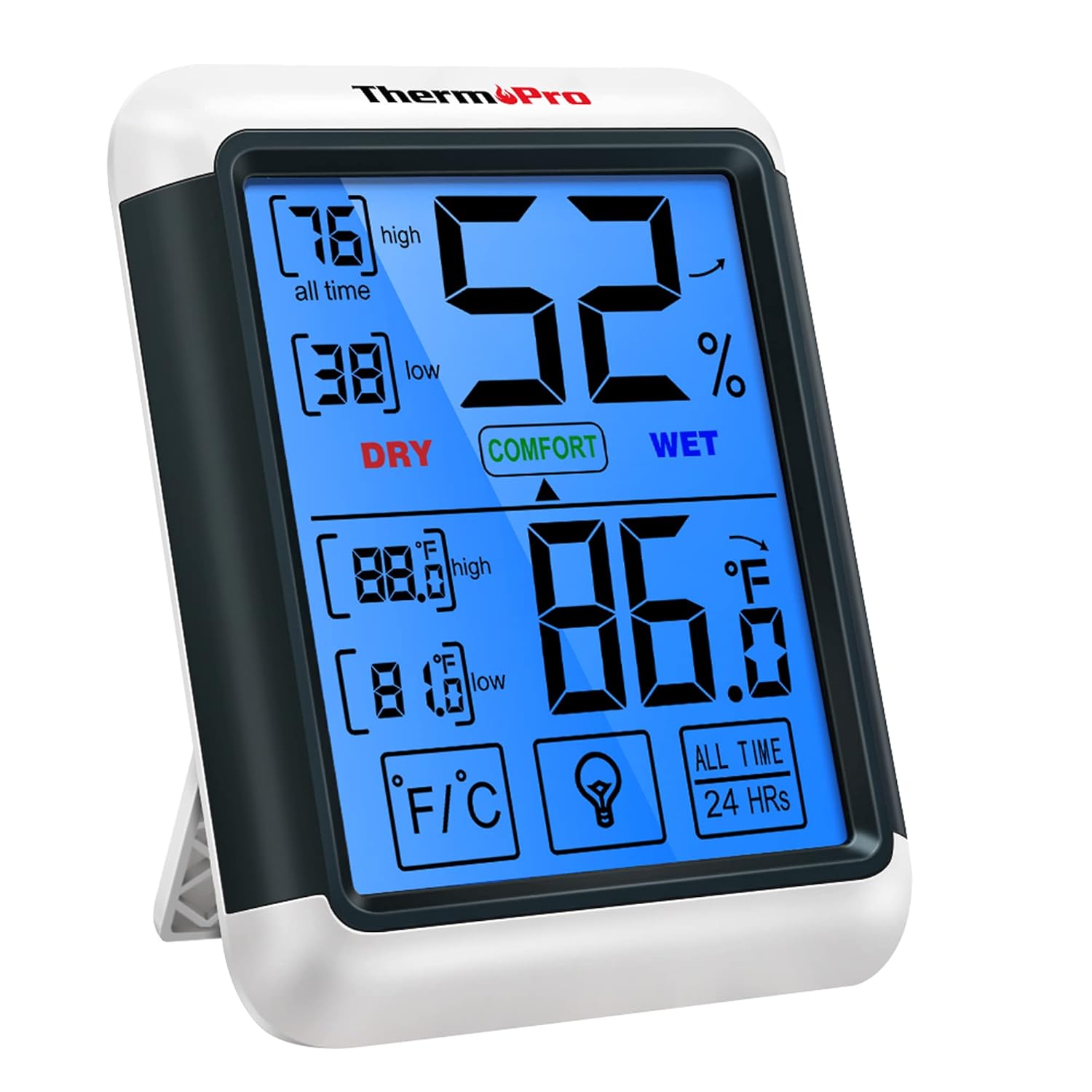
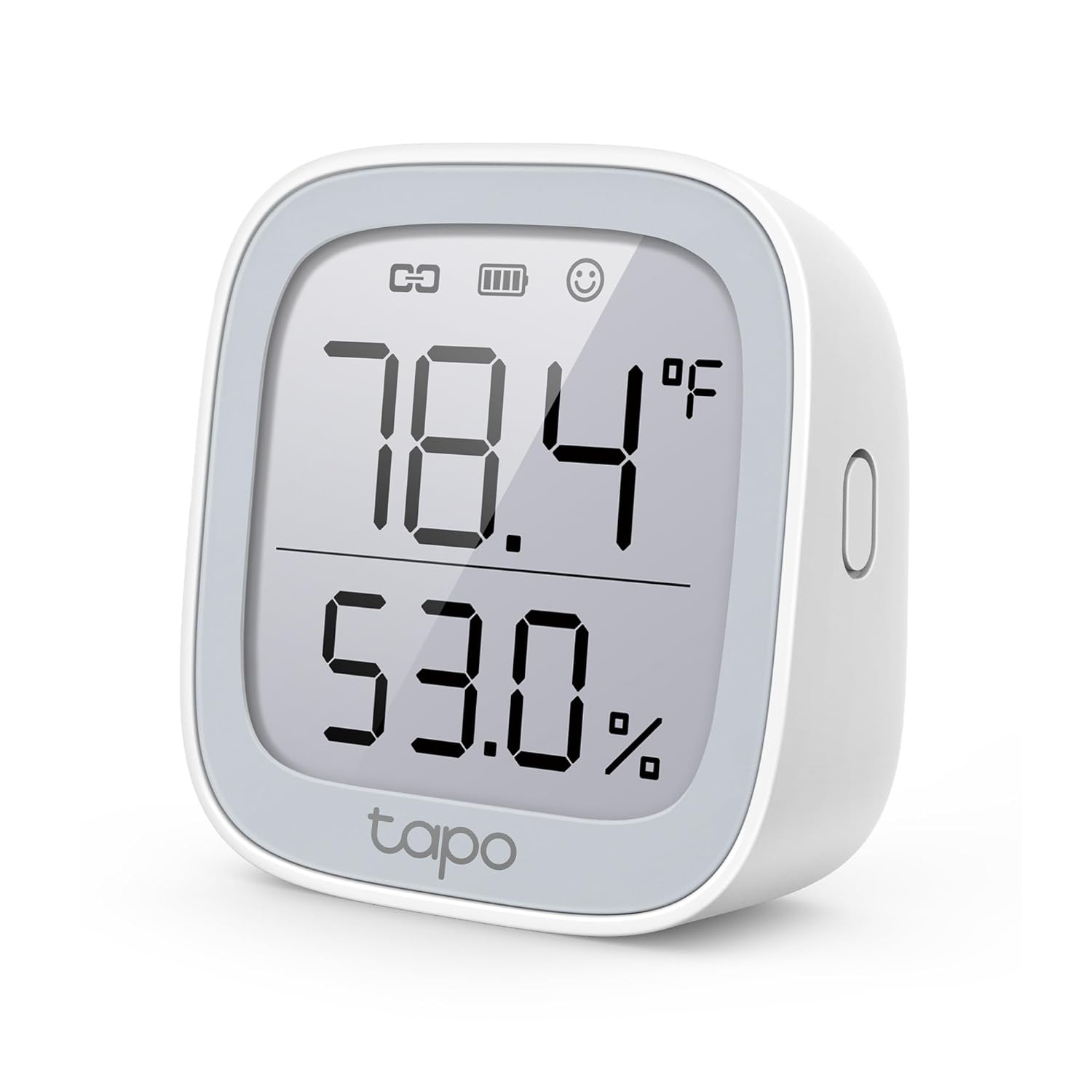
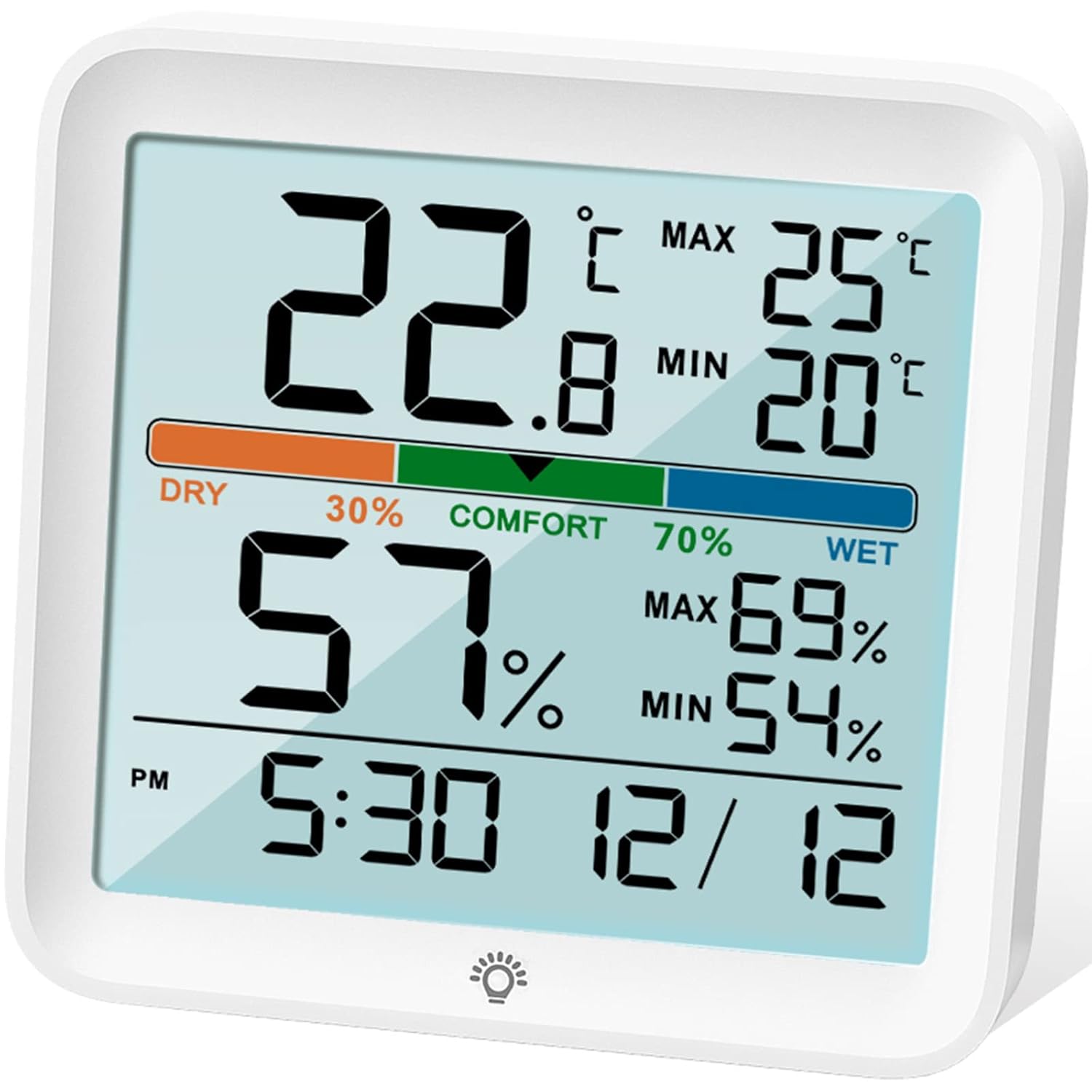
Step 1: Measure Indoor Humidity
Track humidity during system operation.

Step 2: Observe System Cycling
Short cycles often indicate oversizing.
Step 3: Inspect Drainage and Filters
Blocked drains and dirty filters worsen moisture problems.
Why Turning Systems Off Rarely Helps
Disabling HVAC systems can allow humidity to rise unchecked.
Control, not avoidance, is the solution.
How to Fix HVAC Moisture Problems Correctly
Adjust Humidifier Settings Seasonally
Lower humidity targets in cold weather.
Optimize AC DehumidificationProper sizing and airflow improve moisture removal.
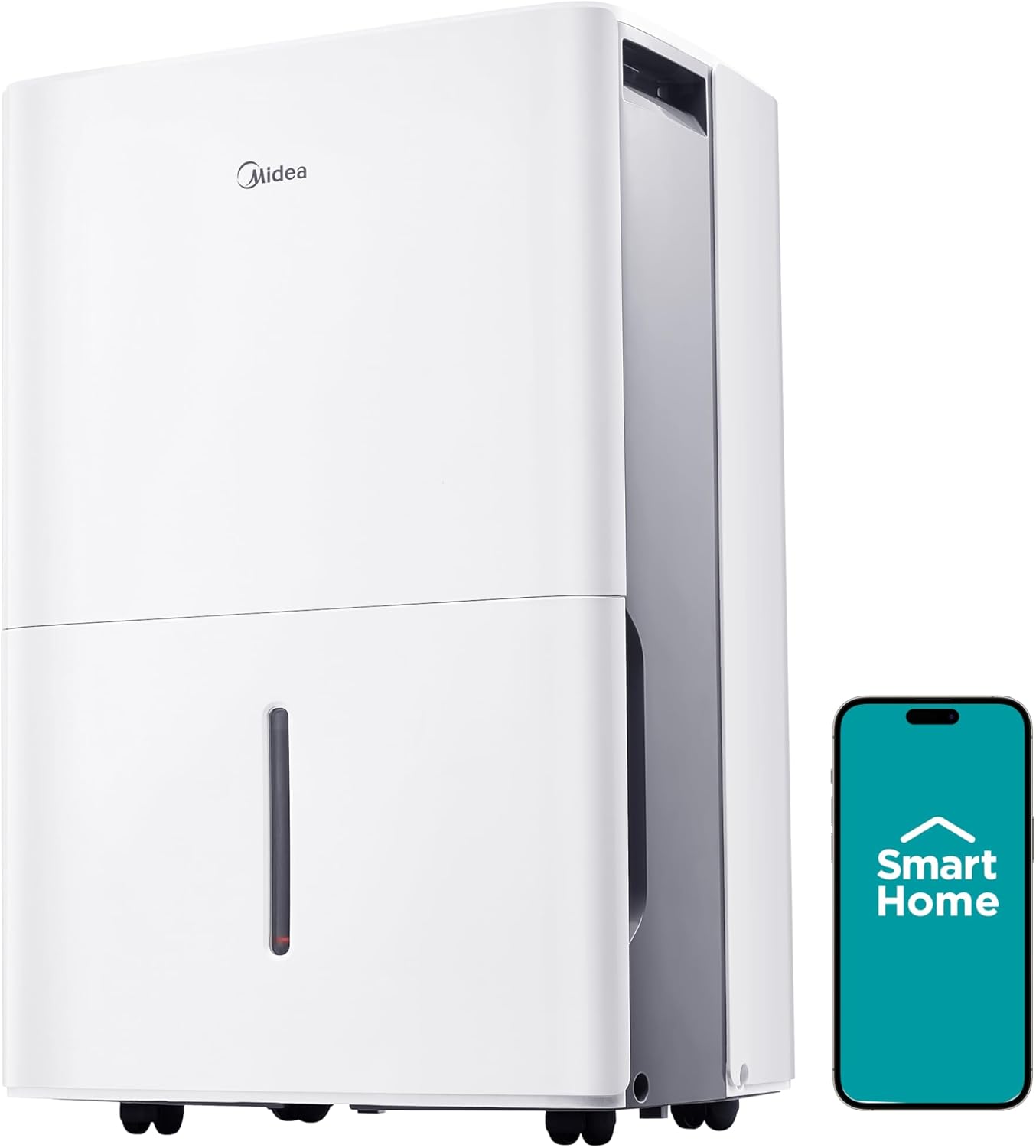
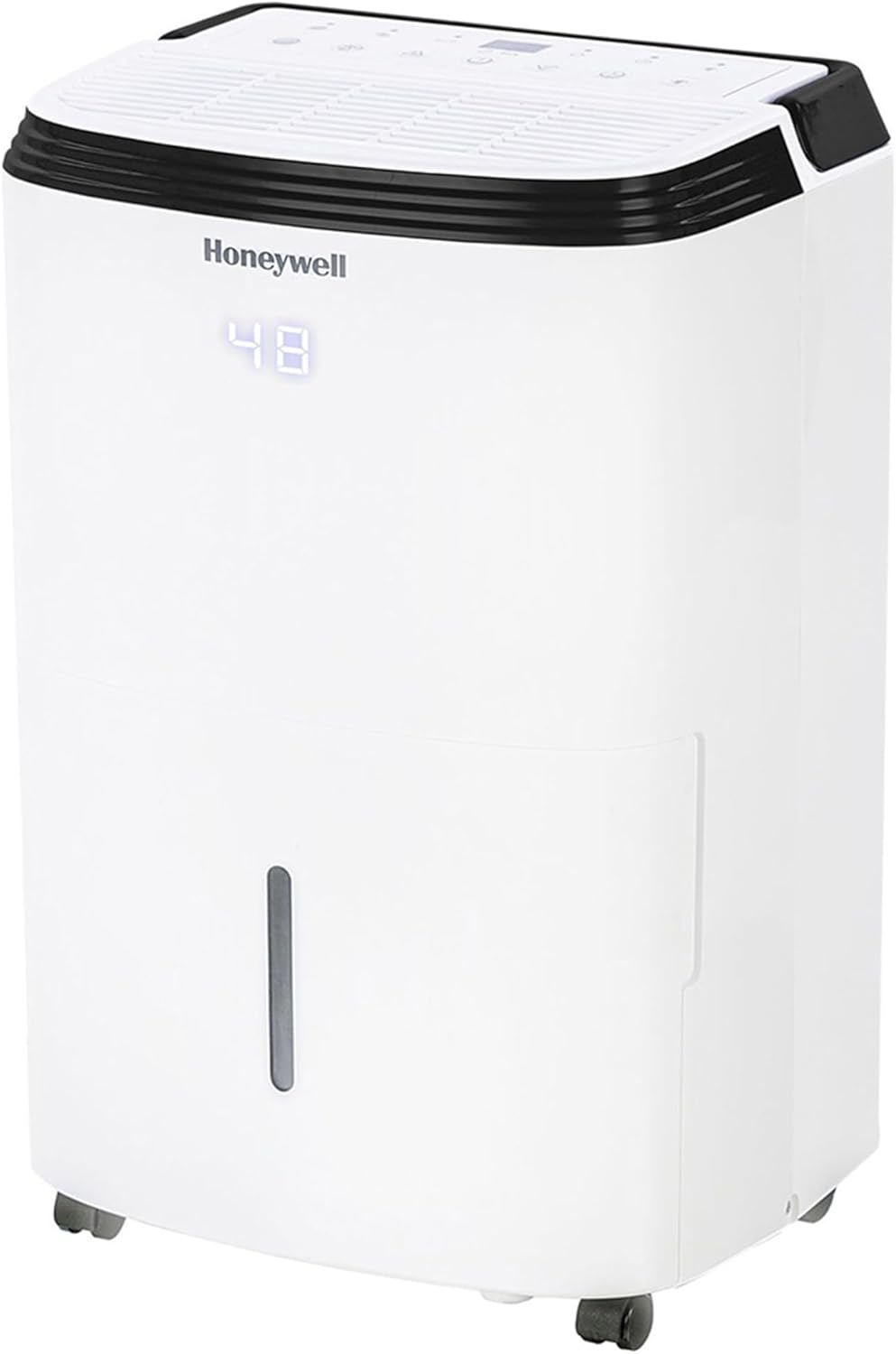
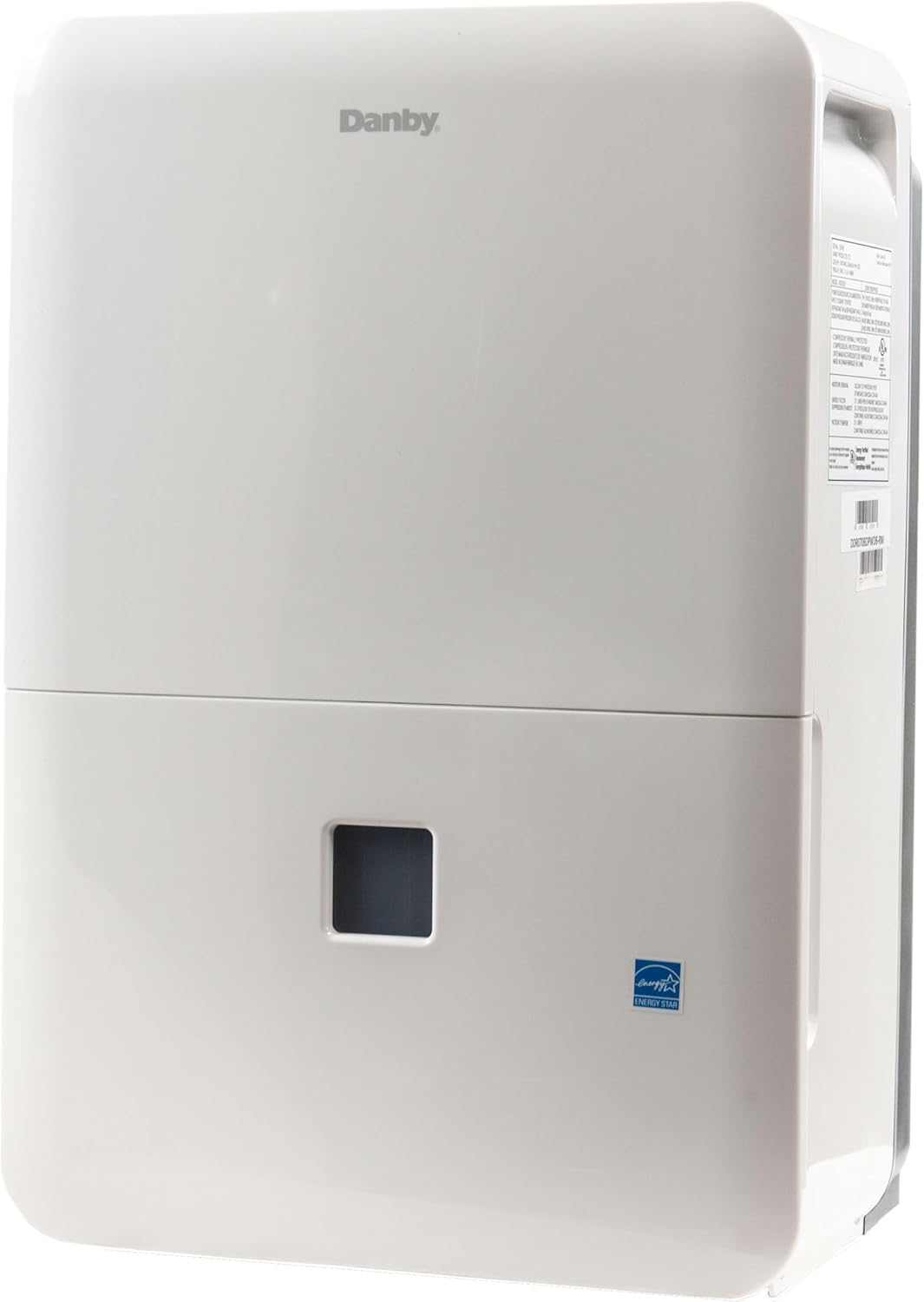
Supplement Moisture Control When NeededDedicated control protects problem areas.
What NOT to Do
- Do not set humidifiers and forget them
- Do not oversize AC systems
- Do not ignore condensate drainage
Long-Term HVAC Moisture Management
- Review settings seasonally
- Maintain drainage and filters
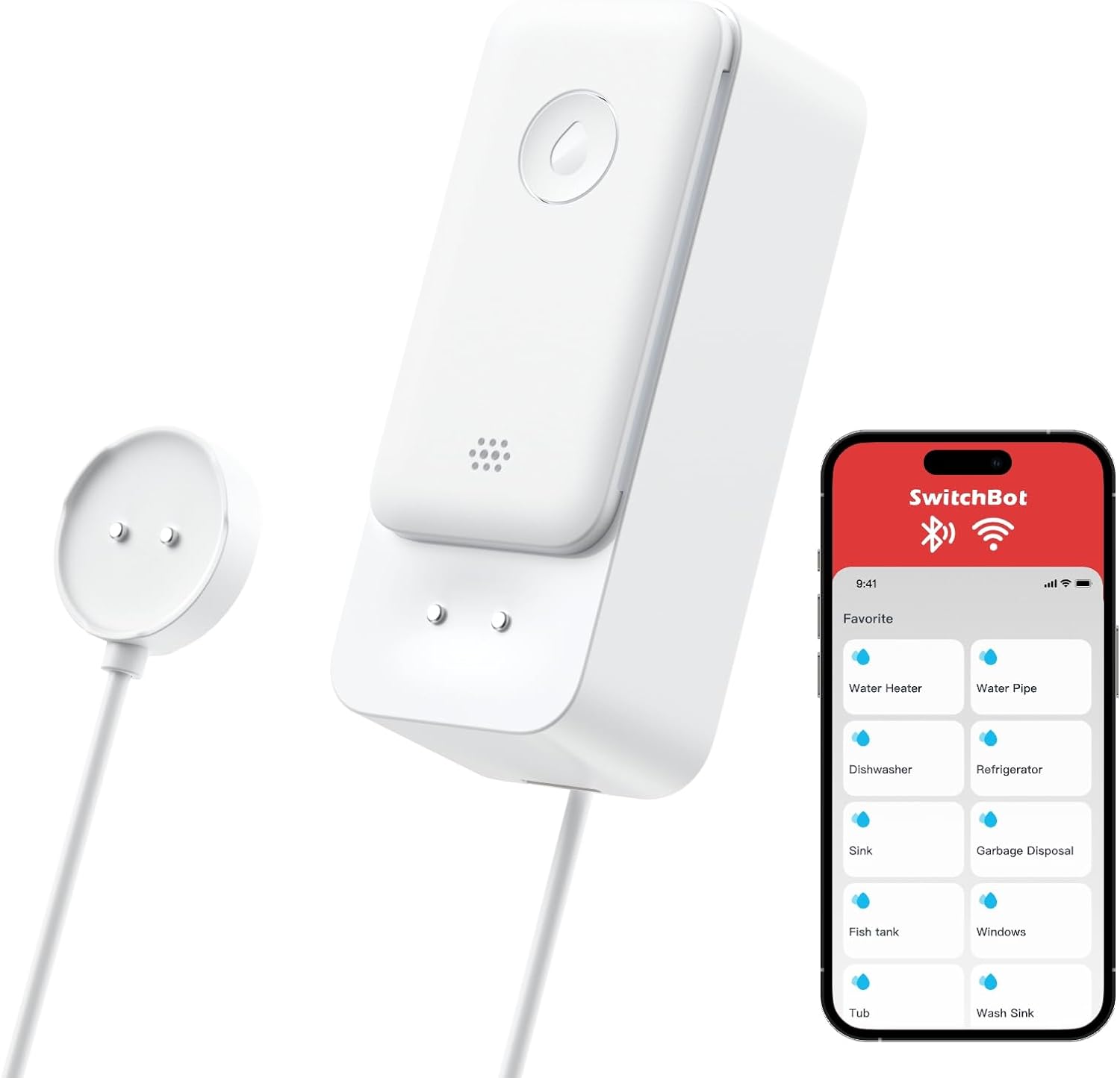
- Monitor humidity trends
Final Takeaway
HVAC systems can either control moisture or create it. Proper setup, seasonal adjustment, and monitoring ensure comfort systems improve indoor air quality instead of driving moisture damage.
Related Products