Garage Moisture Problems Explained: Condensation, Vehicles, and Unconditioned Spaces
Garages are typically unconditioned spaces that sit between the outdoors and the rest of the house. Because of this, they experience extreme temperature swings and frequent moisture intrusion — even when there are no leaks.
Moisture problems in garages are often dismissed as harmless, but over time they can damage stored items, corrode tools, and feed moisture into adjoining living spaces.
This guide explains:
- Why garages accumulate moisture
- The most common garage moisture pathways
- How to diagnose garage moisture problems
- The fixes that actually reduce moisture long-term
Why Garages Are Prone to Moisture
Garages combine several moisture-generating conditions:
- Cold concrete floors and walls
- Large, uninsulated doors
- Vehicles carrying snow, rain, and slush
- Limited ventilation and air sealing
When warm, moist air enters a cool garage, condensation forms quickly.
Common Moisture Sources in Garages
1. Vehicle Moisture
Snow and rain melt off vehicles and evaporate into the garage air.
2. Condensation on Cold SurfacesConcrete slabs and metal doors attract condensation.
3. Air Leakage From the HouseWarm, humid indoor air leaks into the cooler garage.
4. Ground MoistureBare or poorly sealed concrete allows moisture vapor through.
Signs of Garage Moisture Problems
- Rust on tools or shelving
- Condensation on vehicles or windows
- Musty odors
- Damp cardboard or stored items
Step-by-Step: How to Diagnose Garage Moisture
Step 1: Identify When Moisture Appears
- After parking vehicles → evaporation source
- During weather swings → condensation
- Constant dampness → vapor or air leakage
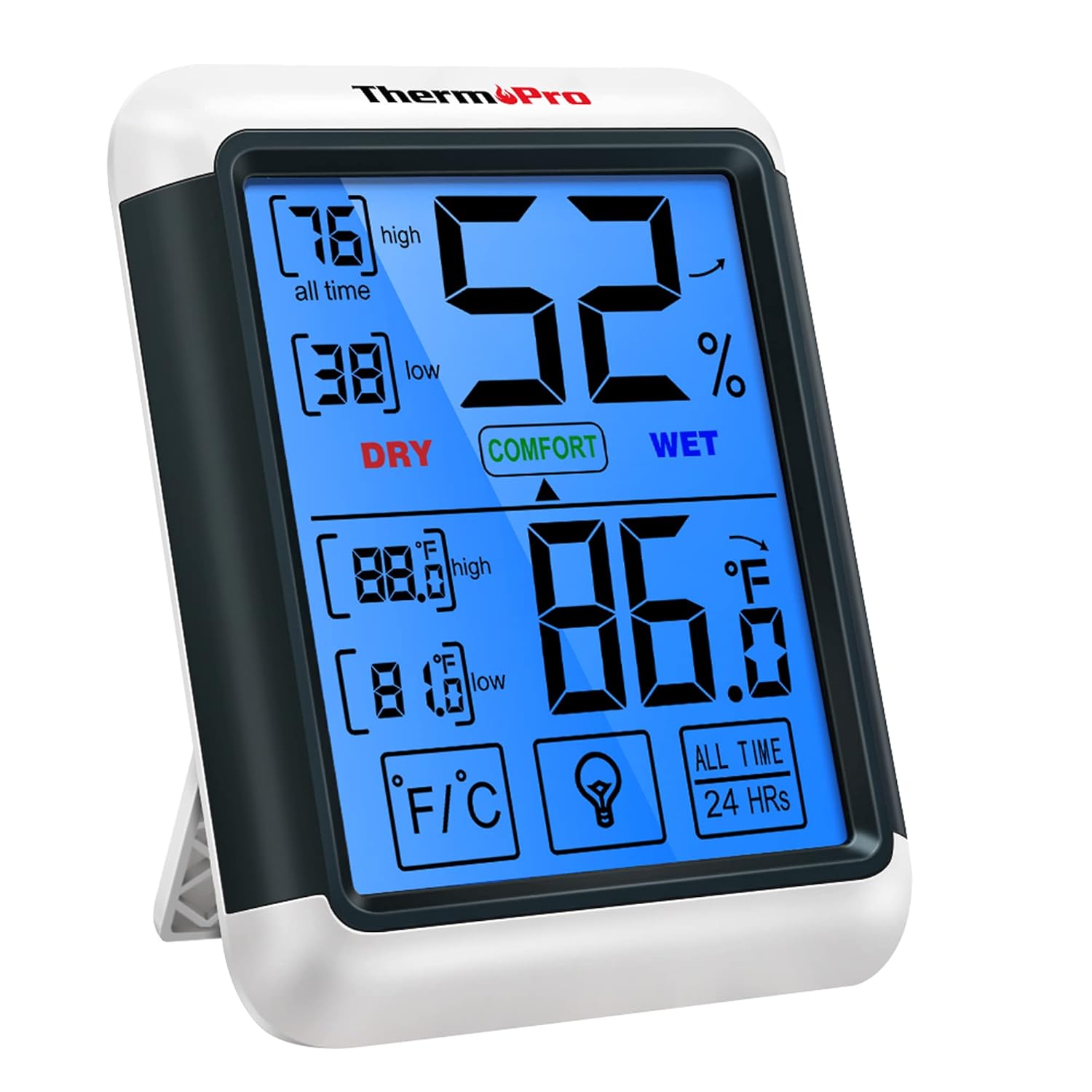
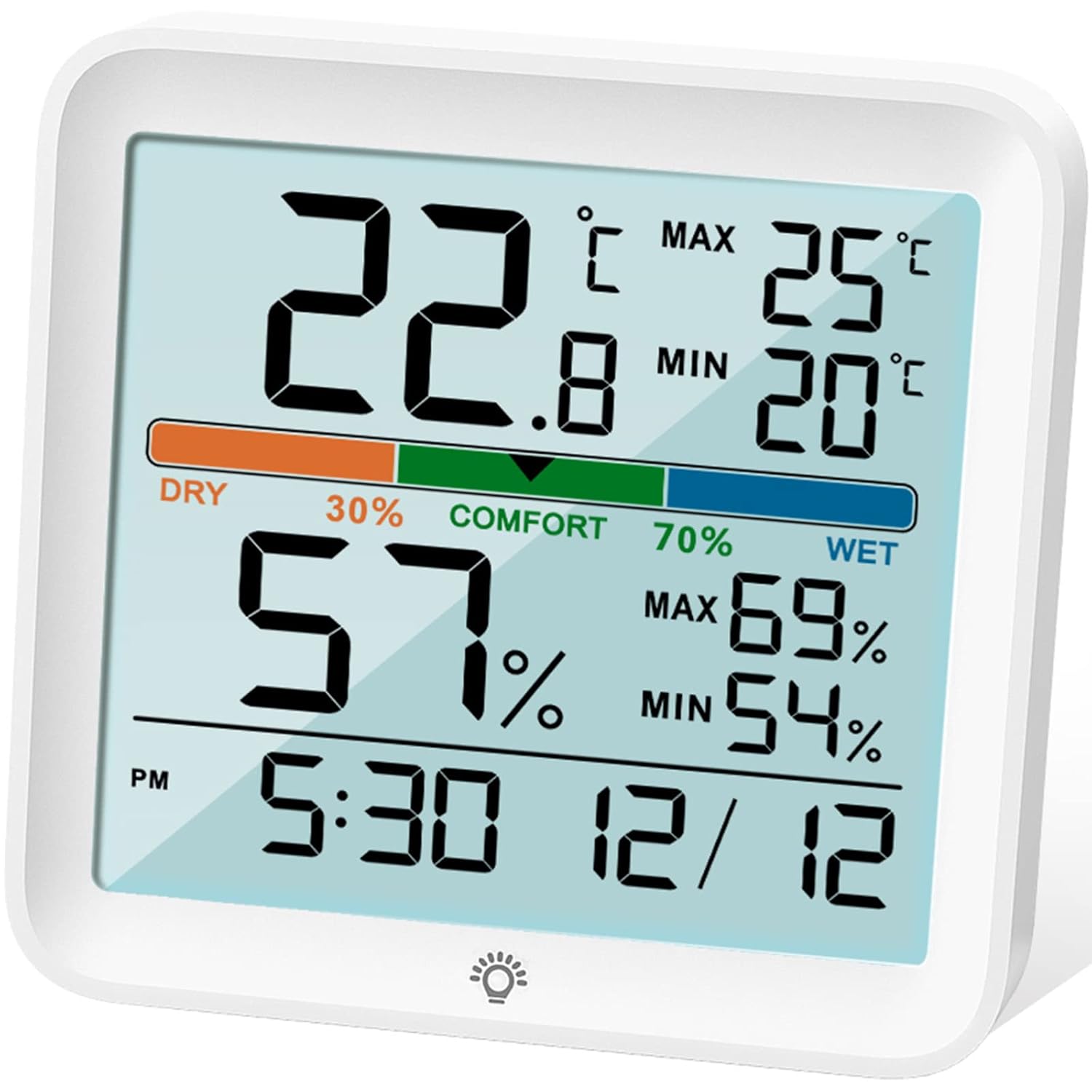
Step 2: Measure Humidity Levels
Garages often exceed safe humidity during seasonal changes.


Step 3: Inspect the House-to-Garage Barrier
Check walls and doors separating the garage from living space.
Why Venting Alone Often Makes Things Worse
Ventilating a garage can introduce more moisture, especially in humid climates.
Ventilation without sealing and control often increases condensation.
How to Fix Garage Moisture Correctly
Control Moisture Entry
Limit vehicle water accumulation and seal obvious leaks.
Seal Air LeaksPrevent warm indoor air from entering the garage.
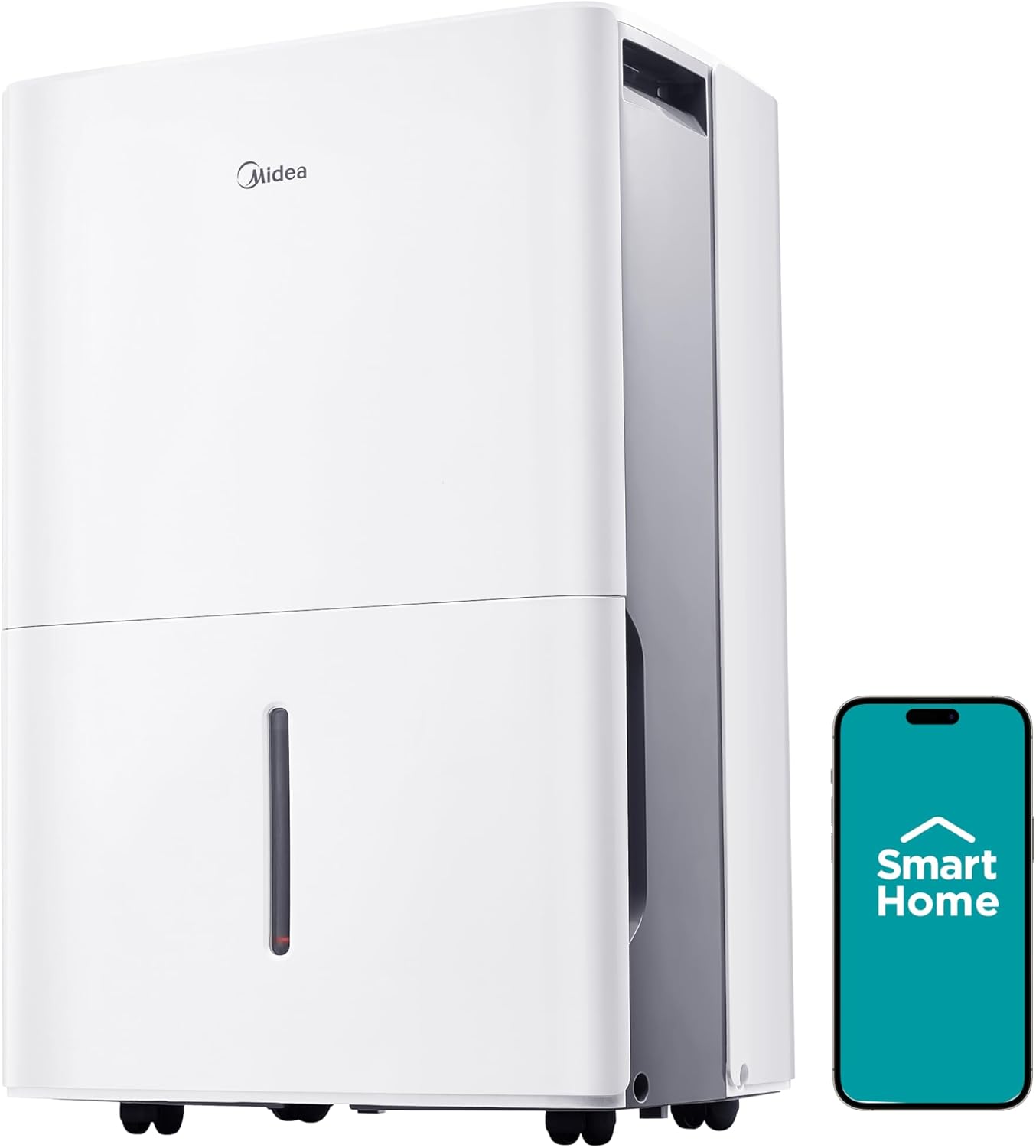
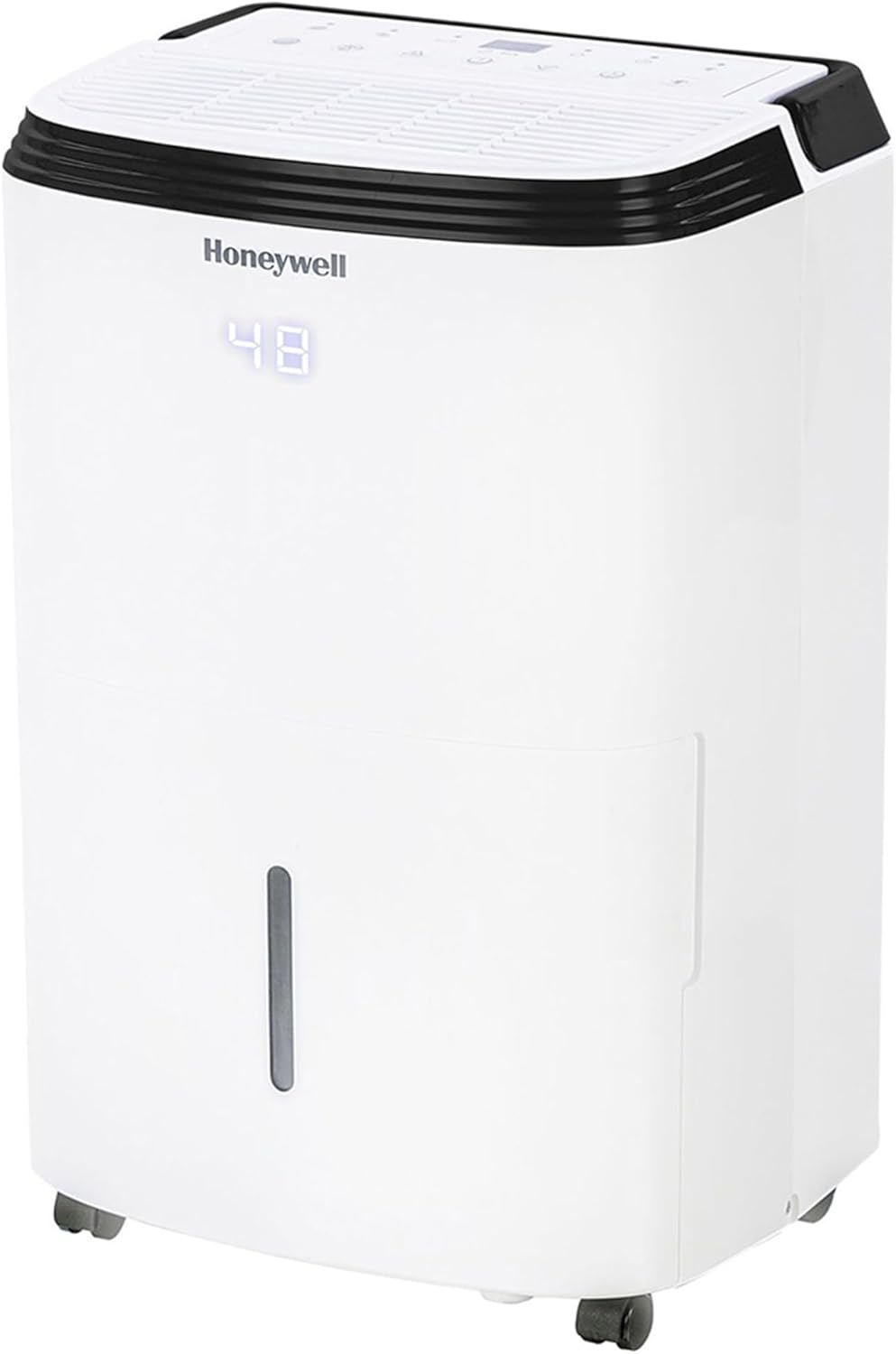
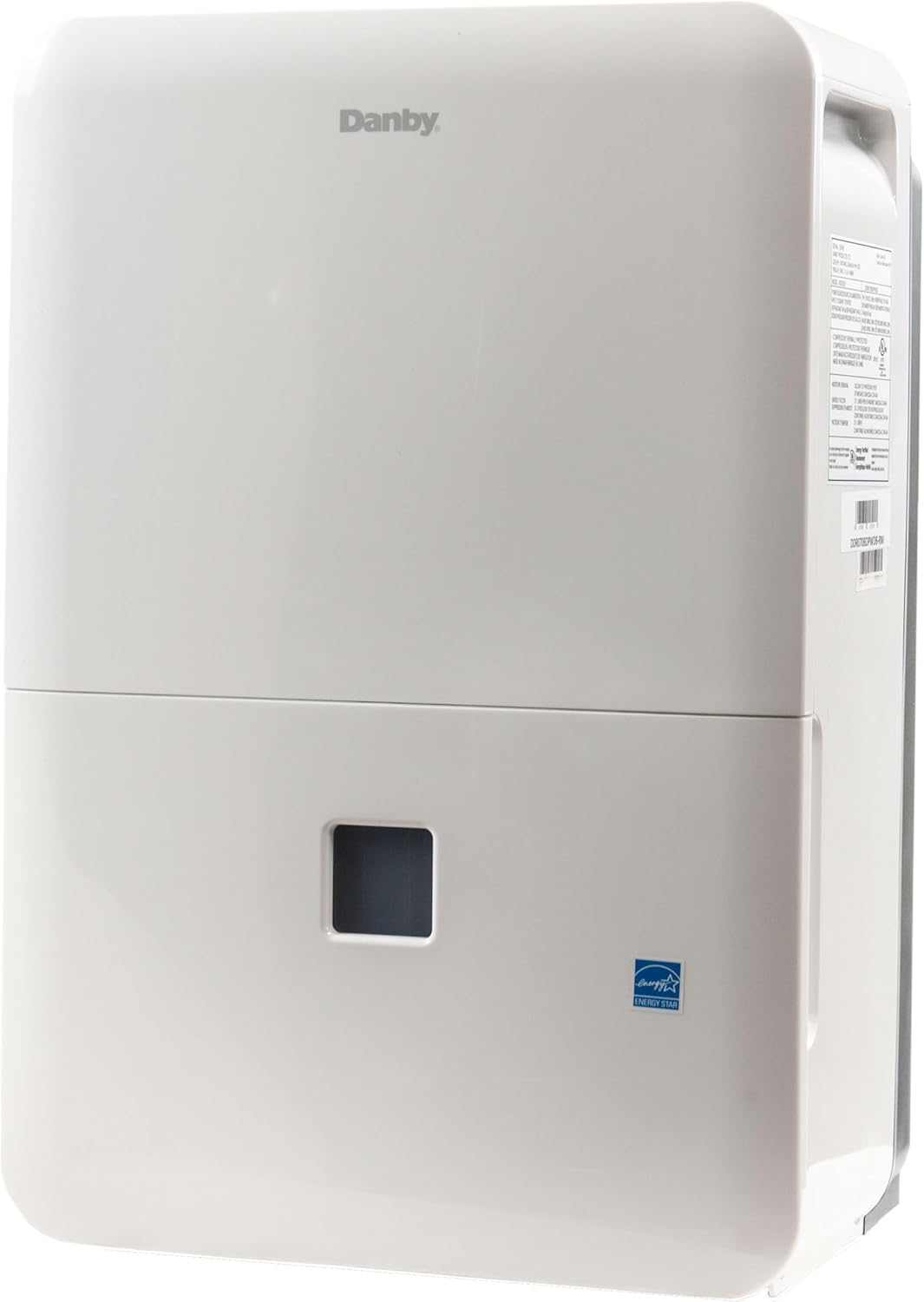
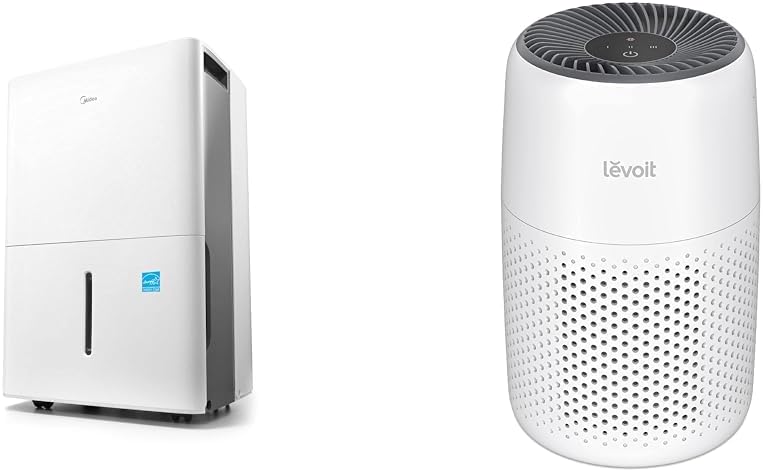
Manage Humidity StrategicallyTargeted moisture control prevents condensation cycles.
What NOT to Do
- Do not rely on open doors for drying
- Do not store moisture-sensitive items directly on floors
- Do not ignore moisture transfer into the house
Long-Term Garage Moisture Prevention
- Seal concrete floors if possible
- Maintain weatherstripping
- Monitor humidity during seasonal shifts
Final Takeaway
Garage moisture problems are driven by temperature swings, vehicle moisture, and air leakage. Controlling moisture at the boundaries prevents rust, condensation, and moisture migration into the home.
Related Products