Crawlspace Moisture Problems: Why Crawlspaces Breed Mold and Rot (And How to Stop It)
Crawlspaces sit at the intersection of soil moisture, outdoor air, and interior pressure — making them one of the most moisture-vulnerable parts of a home.
Because crawlspaces are rarely visited, moisture problems often go unnoticed until mold, odors, or structural damage appear upstairs. By that point, the crawlspace has been feeding moisture into the house for years.
This guide explains:
- Why crawlspaces naturally collect moisture
- The most common crawlspace moisture pathways
- How to diagnose crawlspace moisture correctly
- The fixes that stop moisture long-term, not just temporarily
Why Crawlspaces Are Moisture Magnets
Crawlspaces are affected by multiple moisture forces at once:
- Evaporation from exposed soil
- Outdoor air infiltration
- Stack effect pulling air upward
- Cold surfaces that cause condensation
Unlike basements, crawlspaces are often vented — which usually makes moisture worse, not better.
The Main Moisture Pathways in Crawlspaces
1. Ground Moisture Evaporation
Bare soil continuously releases water vapor into the crawlspace air.
This alone can raise humidity high enough to cause:
- Mold growth
- Wood rot
- Rusting metal components
2. Outdoor Air Ventilation
Vents allow humid outdoor air to enter.
- Summer air adds moisture
- Winter air causes condensation
Vented crawlspaces rarely stay dry year-round.
3. Bulk Water Entry
Water can enter crawlspaces from:
- Poor grading
- Gutter discharge
- Foundation penetrations
Bulk water must be addressed before humidity control.
4. Plumbing Leaks
Slow leaks in crawlspaces often go unnoticed for months.
Step-by-Step: How to Diagnose Crawlspace Moisture
Step 1: Inspect the Ground Surface
Look for exposed soil, wet areas, or standing water.
Step 2: Check for Visible Mold or Wood Damage
Inspect joists, beams, and subflooring.
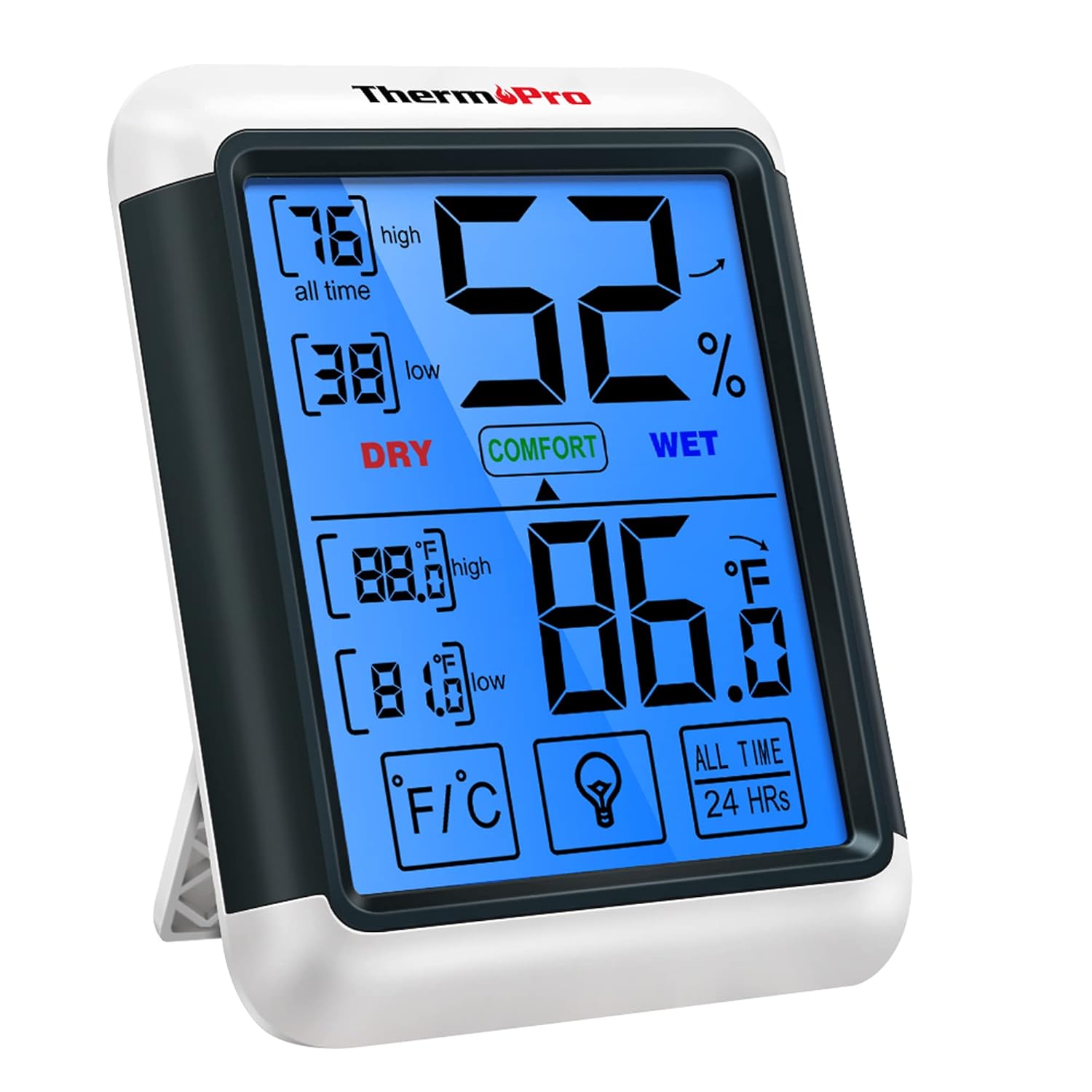
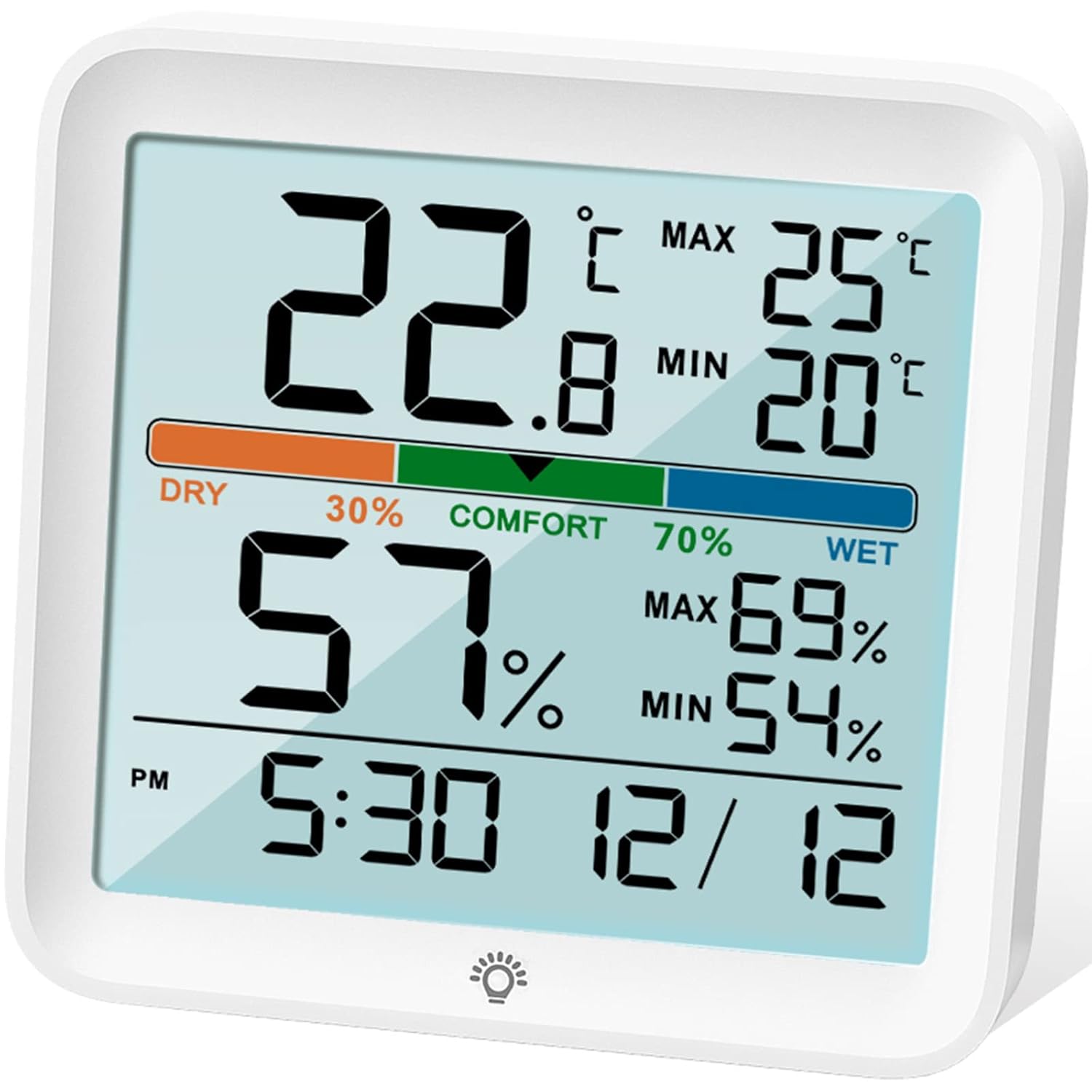
Step 3: Measure Humidity Levels
Crawlspace humidity above 60% creates ideal mold conditions.


Why Venting Crawlspaces Usually Backfires
Vents allow moisture to enter more often than they remove it.
In humid climates, vented crawlspaces stay damp most of the year.
How to Fix Crawlspace Moisture Correctly
Control Ground Moisture First
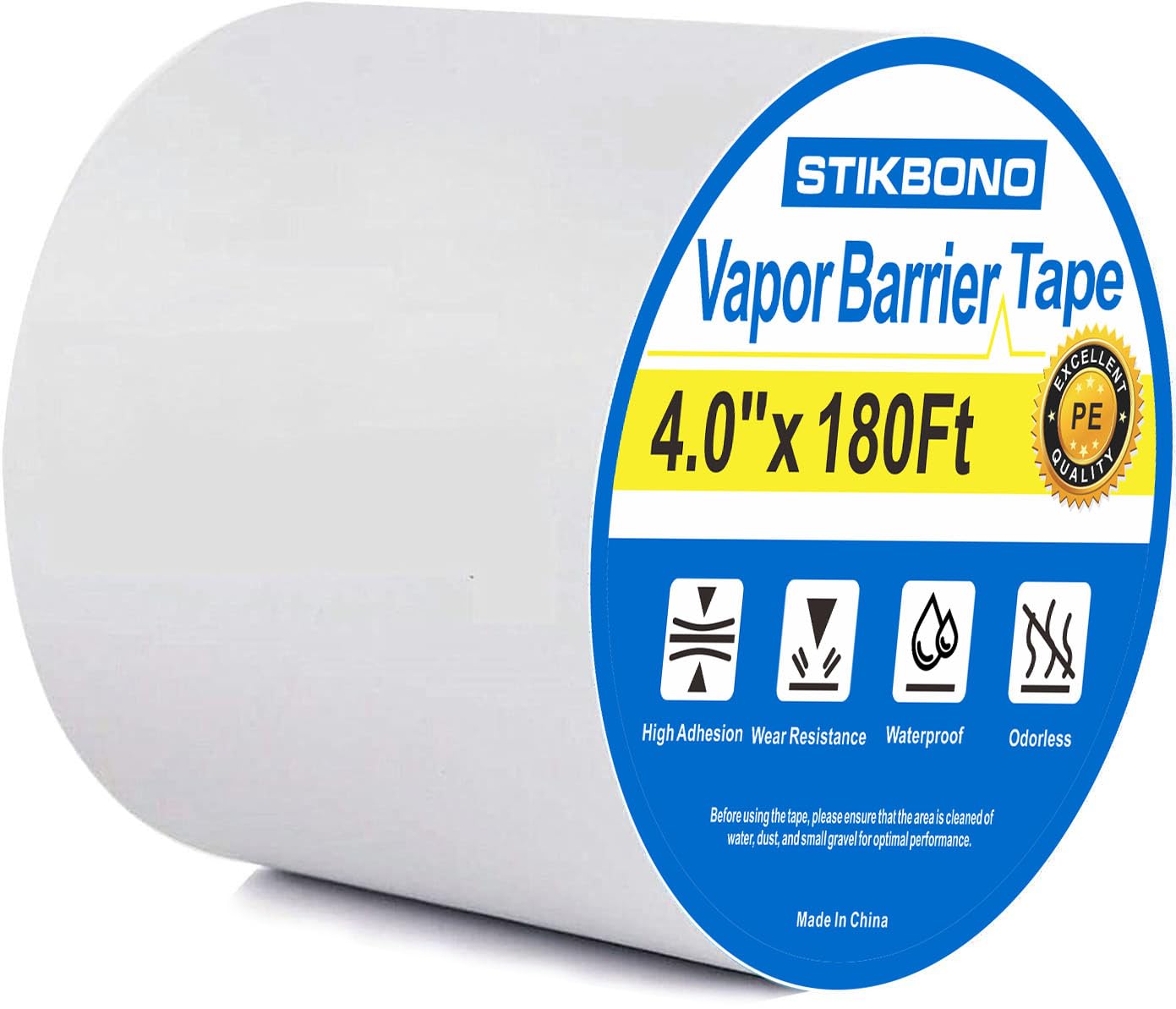
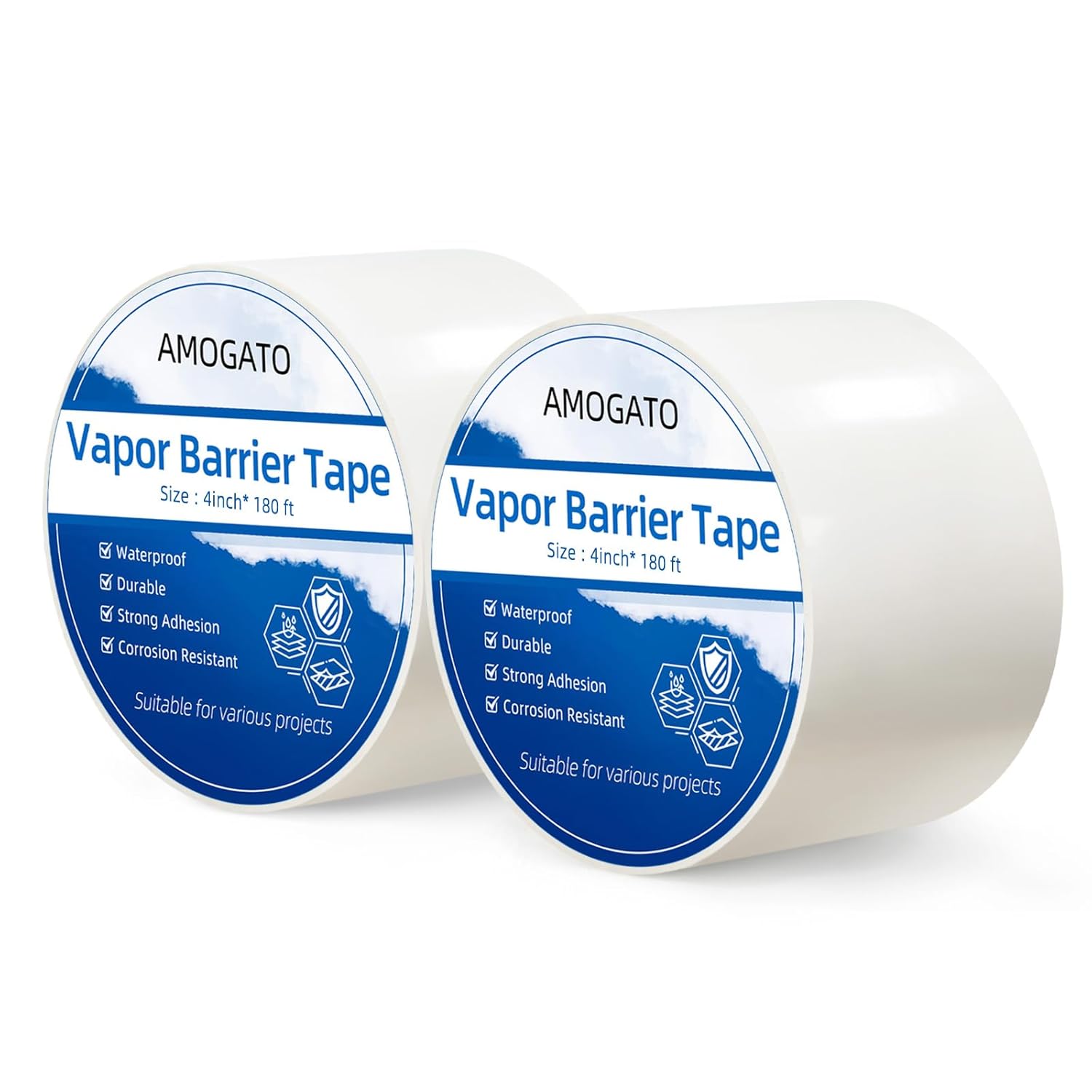
Install a continuous vapor barrier over soil.
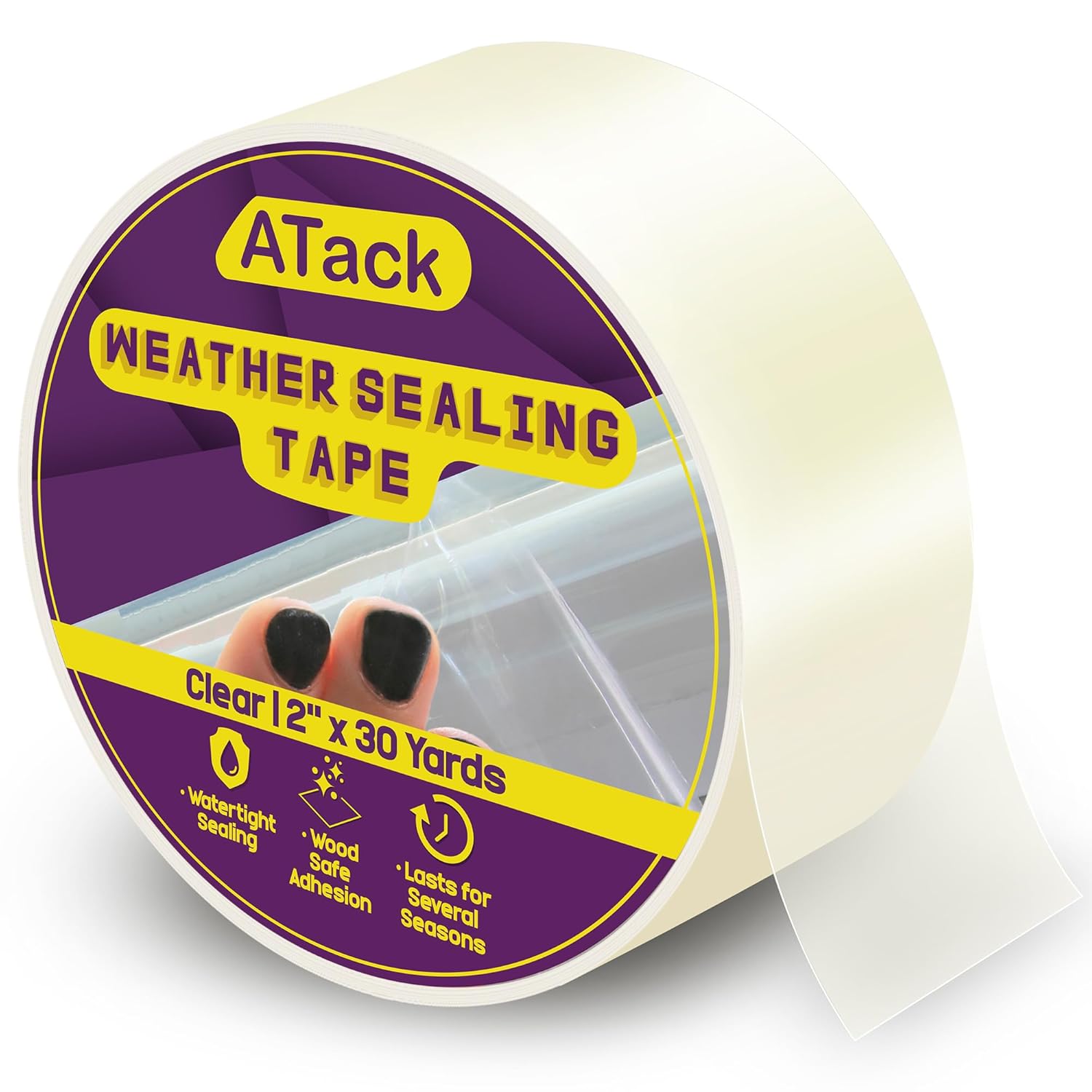
Seal the CrawlspaceClose vents and seal air leaks to stop humid air intrusion.
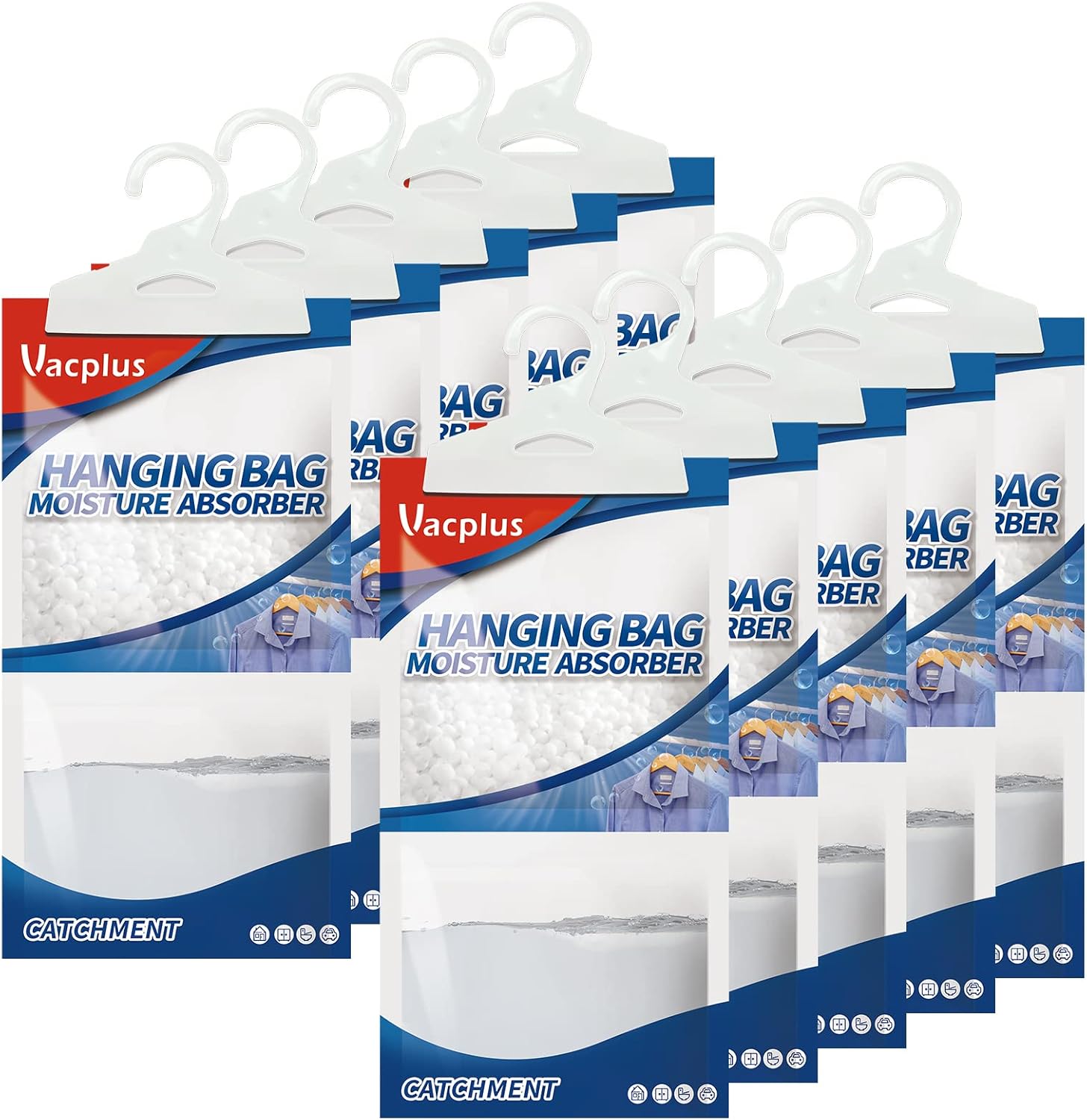
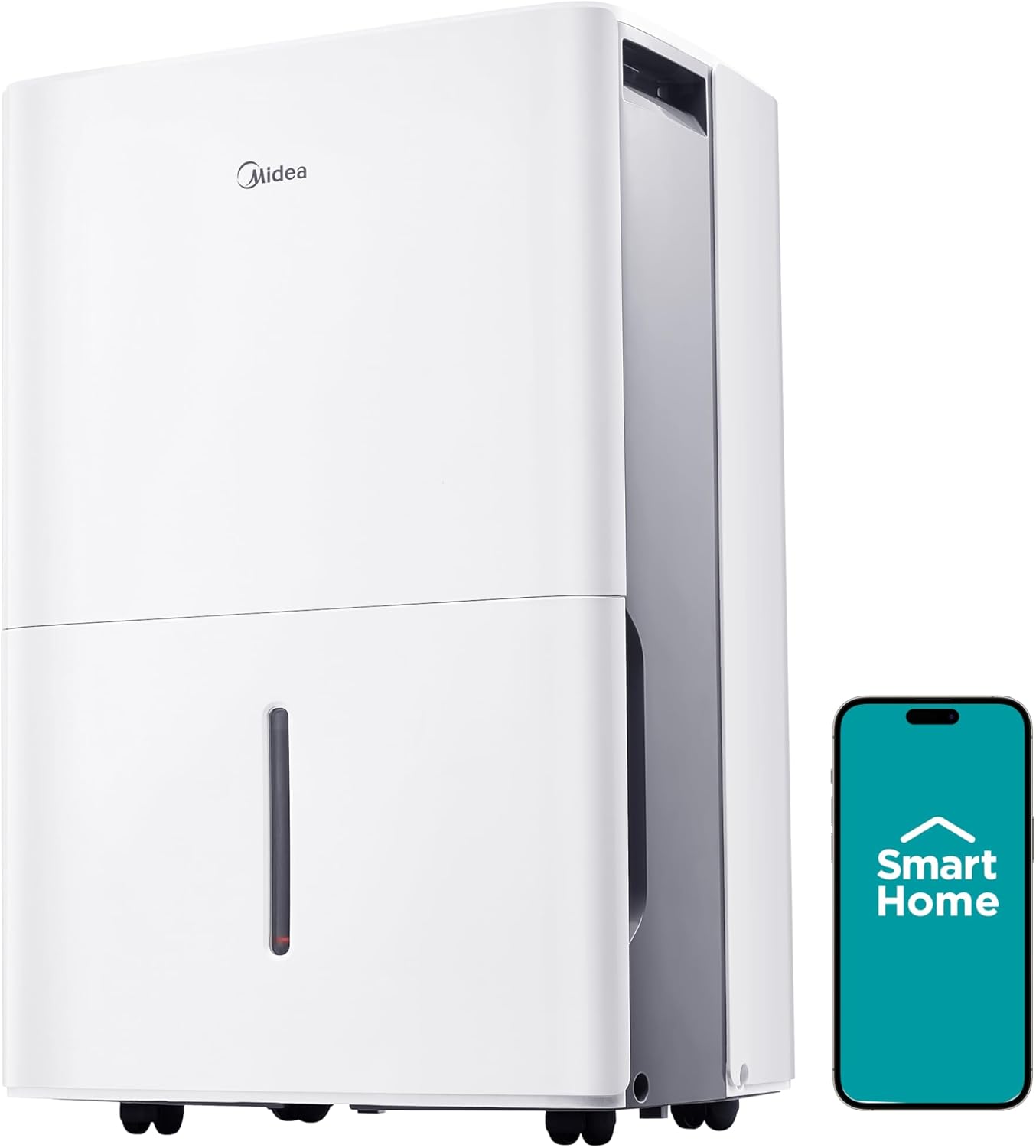
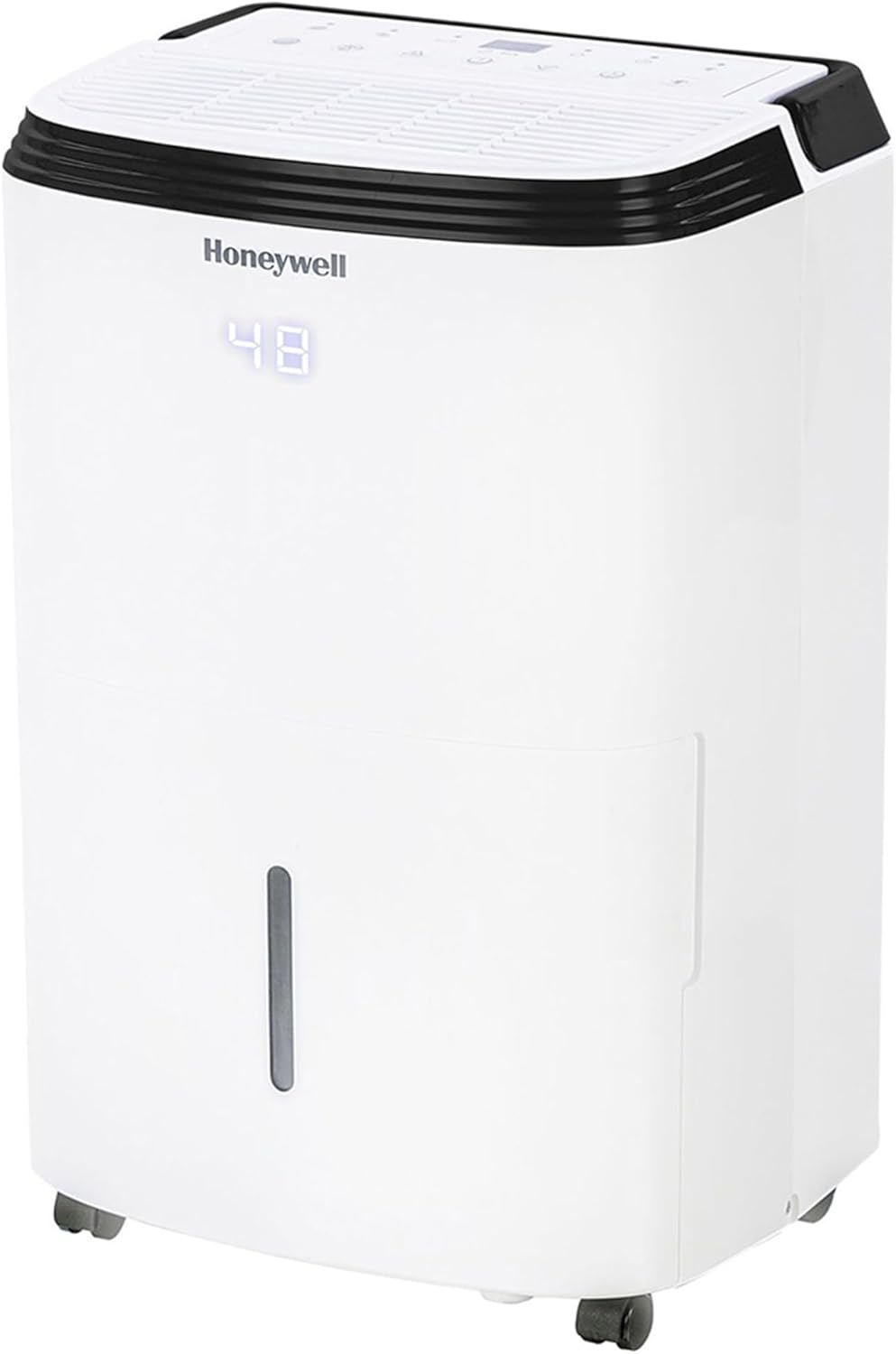
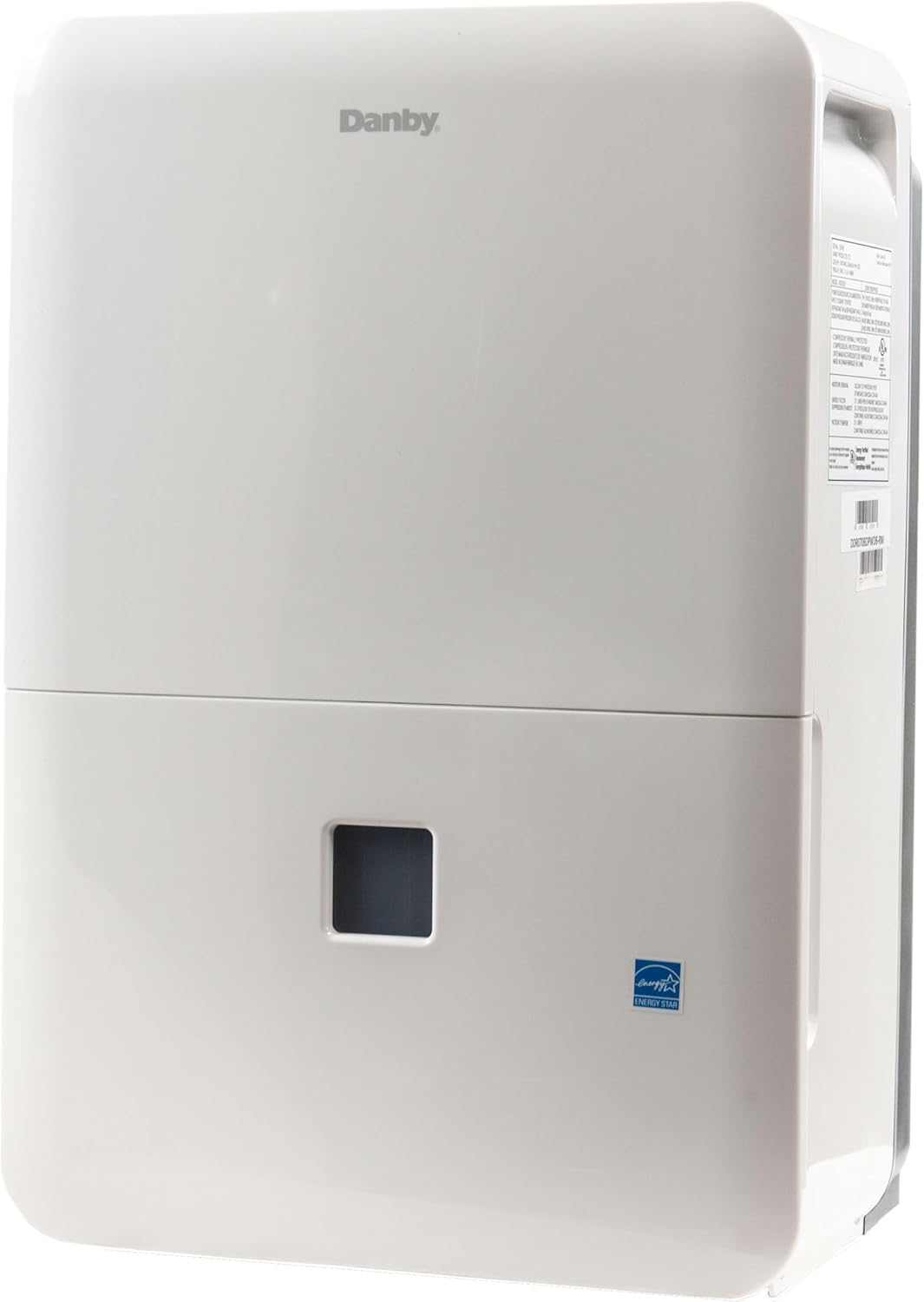
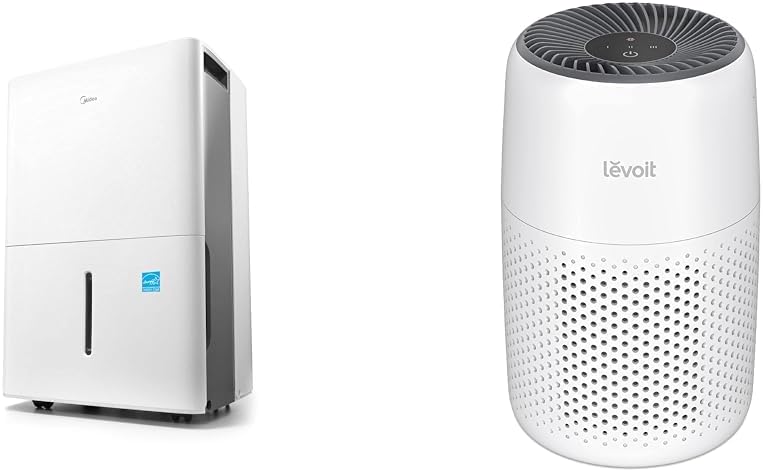
Control Humidity MechanicallyMost sealed crawlspaces require active moisture control.
What NOT to Do
- Do not rely on vents to dry crawlspaces
- Do not ignore ground moisture
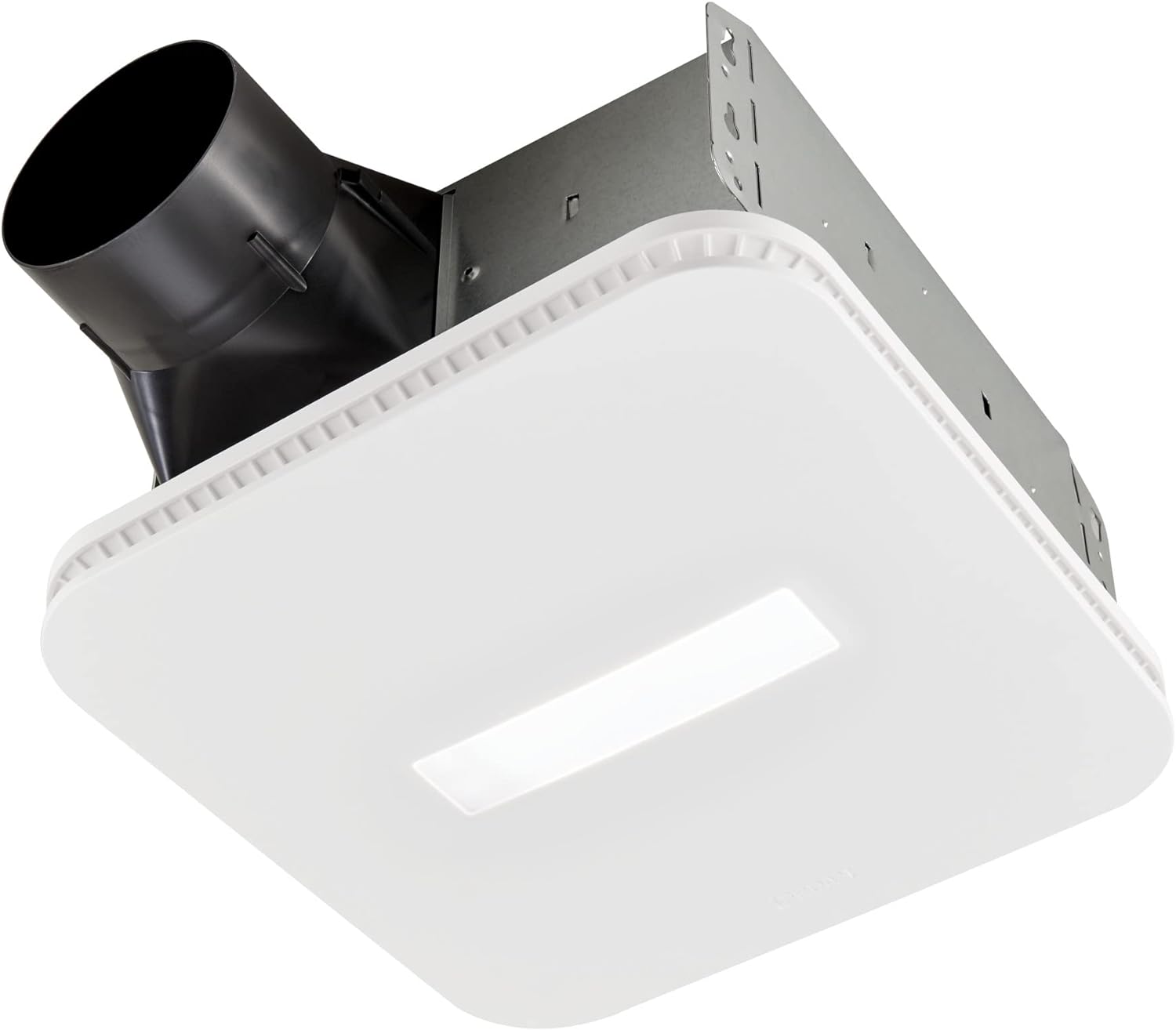
- Do not use fans without sealing
Long-Term Crawlspace Moisture Prevention
- Maintain vapor barrier integrity
- Monitor humidity year-round
- Inspect plumbing regularly
Final Takeaway
Crawlspace moisture is a system problem driven by soil, air, and pressure. Sealing the space, controlling ground moisture, and managing humidity stops the cycle — and protects the entire home above it.
Related Products