Basement Moisture Problems Explained: Why Basements Stay Damp and How to Fix Them
Basements are the most moisture-prone area of almost every home. Even houses with no visible leaks often have damp basement air, musty smells, or recurring mold.
The reason is simple: basements are surrounded by soil, cooler than the living space above, and exposed to moisture from multiple directions at once.
This guide explains:
- Why basements naturally attract moisture
- The different moisture pathways unique to basements
- How to diagnose the real source of dampness
- The fixes that actually work long-term
Why Basements Are Naturally Moist
Basements sit below grade, meaning they are surrounded by soil that constantly contains moisture.
Key factors working against basements:
- Hydrostatic pressure from groundwater
- Cool concrete surfaces that cause condensation
- Limited natural airflow
- Moist air entering from upstairs or outdoors
Even without leaks, these conditions allow moisture to accumulate.
The Four Main Moisture Pathways in Basements
1. Liquid Water Seepage
This includes visible leaks through:
- Foundation cracks
- Cold joints between wall and slab
- Porous concrete or block walls
Liquid intrusion must be fixed structurally — not with humidity control.
2. Vapor Diffusion Through Concrete
Concrete is porous. Moisture vapor moves slowly through it even when no liquid water is present.
This keeps basement air humid year-round.
3. Condensation on Cold Surfaces
Warm, humid air condenses when it contacts:
- Concrete walls
- Foundation floors
- Uninsulated pipes
4. Air Leakage
Air leaks carry moisture with them.
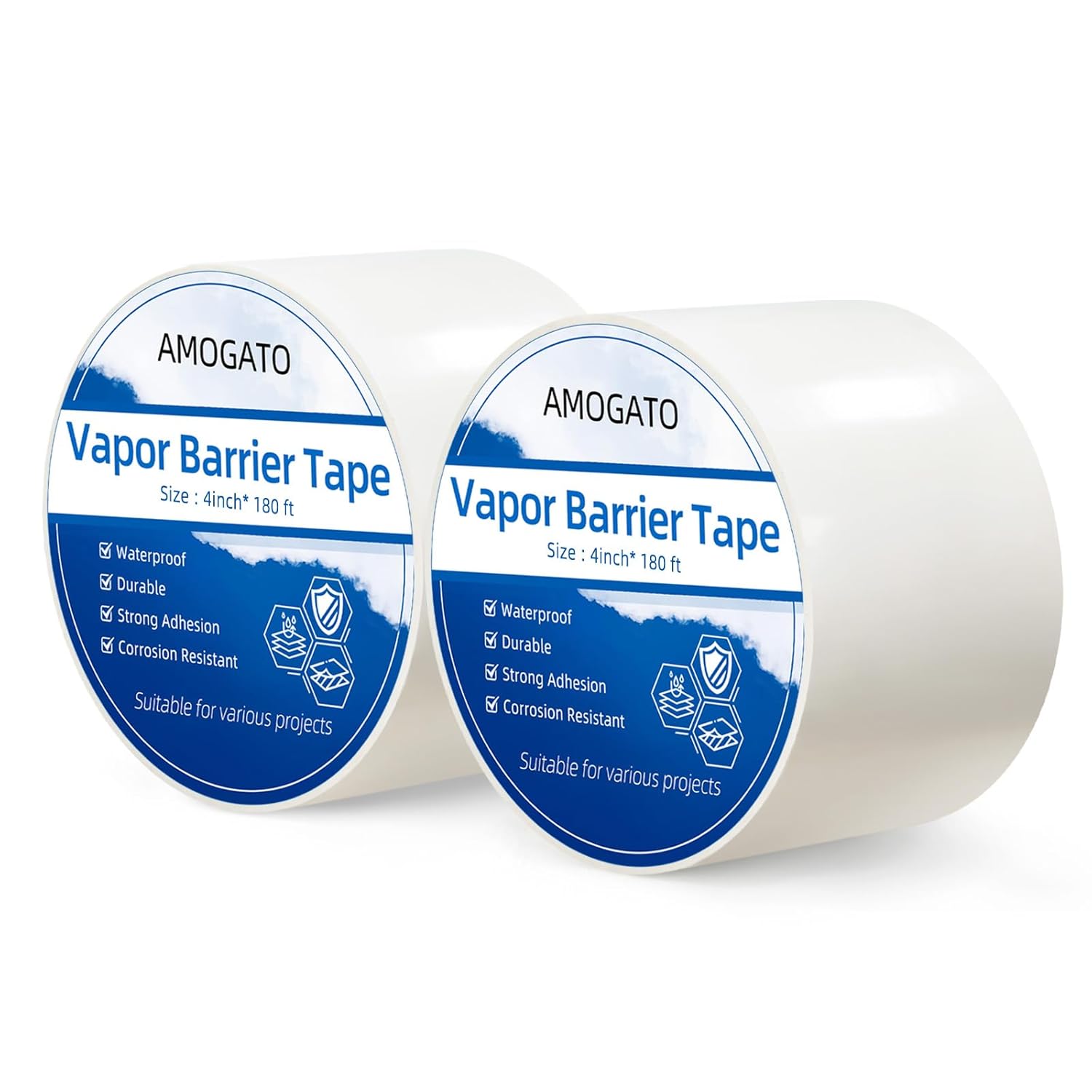
- Unsealed rim joists
- Penetrations for utilities
- Stairwells and duct chases
Step-by-Step: How to Diagnose Basement Moisture
Step 1: Identify Timing
When moisture appears matters.
- After rain → intrusion or drainage issue
- Summer humidity → condensation or vapor diffusion
- Year-round dampness → multiple pathways
Step 2: Inspect Walls and Floors
Look for:
- Efflorescence (white powder)
- Damp spots or discoloration
- Peeling paint or coatings
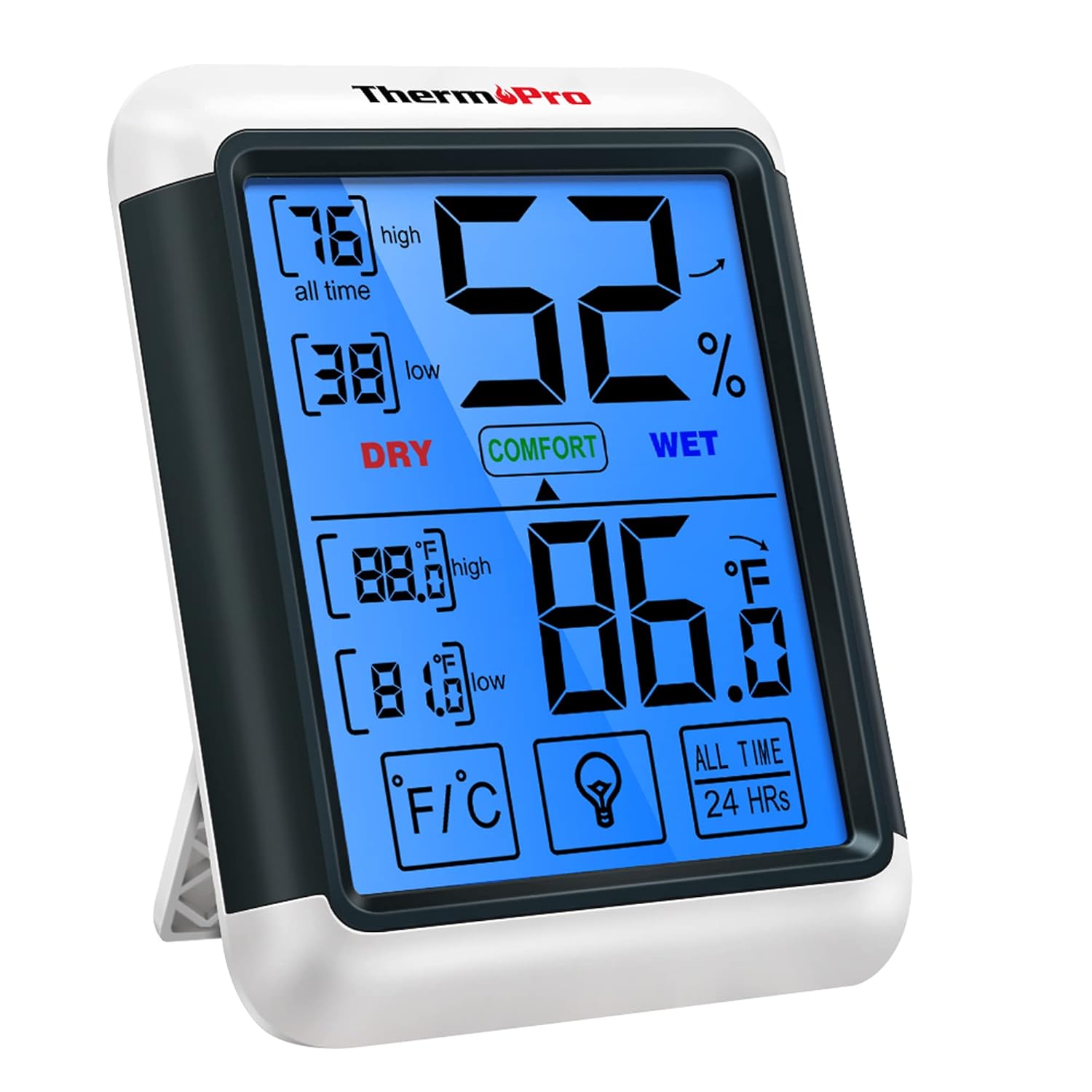
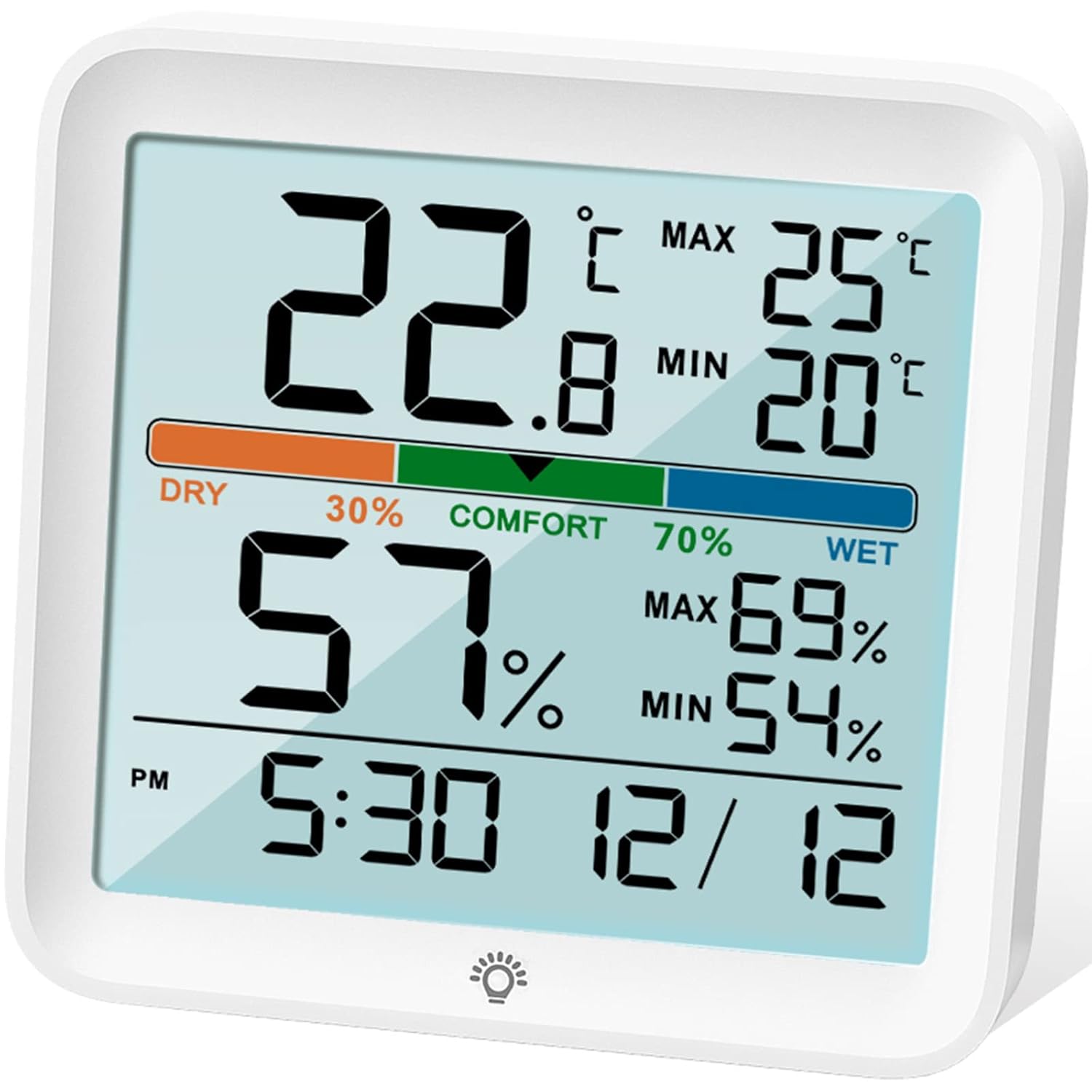
Step 3: Measure Humidity Levels
Basement humidity above 60% creates mold risk.


Why Ventilation Alone Usually Fails
Opening windows or running fans often makes basement moisture worse, especially in summer.
Warm outdoor air brings more moisture inside, which then condenses on cool basement surfaces.
How to Fix Basement Moisture Correctly
Fix Water Entry First
Address foundation cracks, grading, and drainage before anything else.
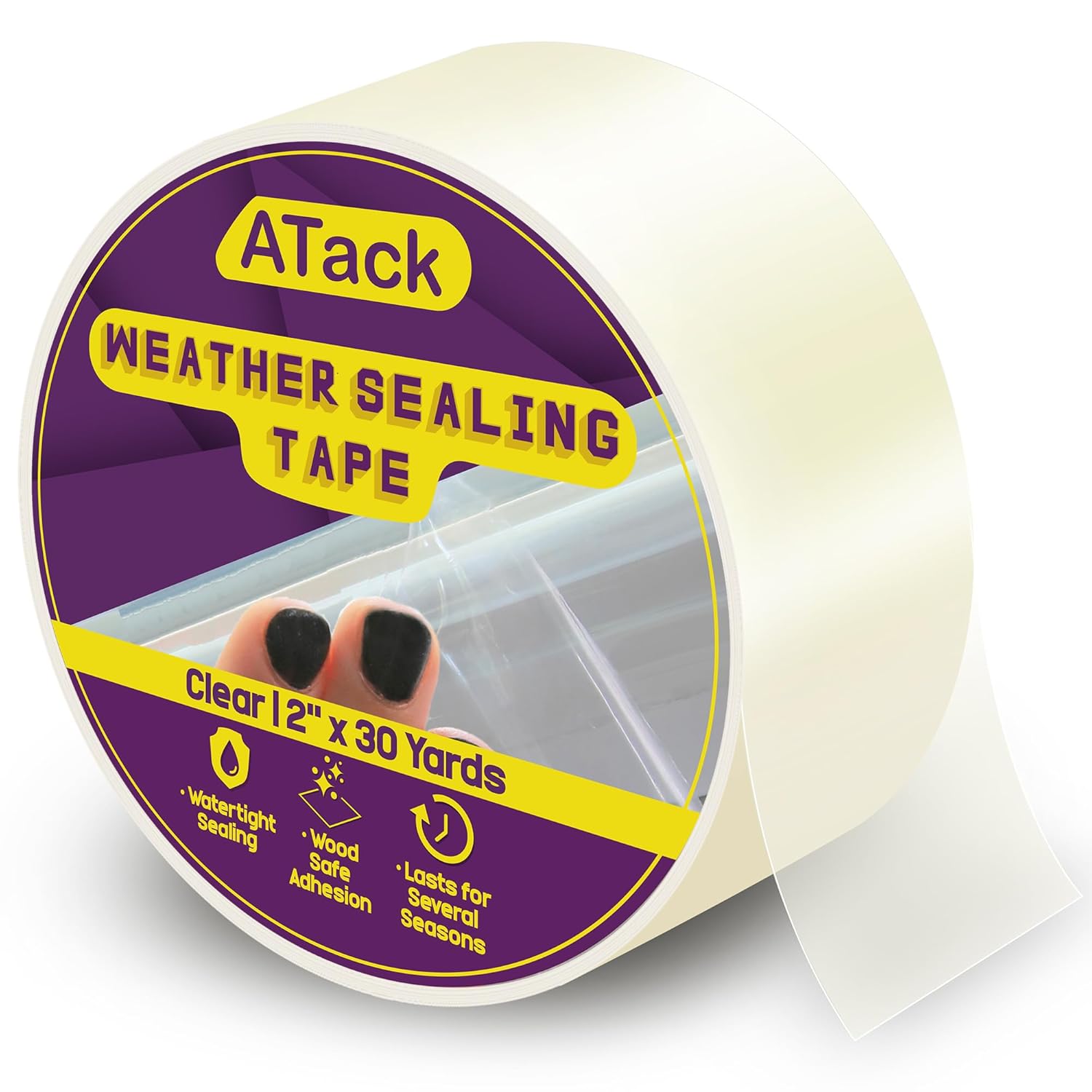
Seal Air LeaksAir sealing reduces moisture transport dramatically.
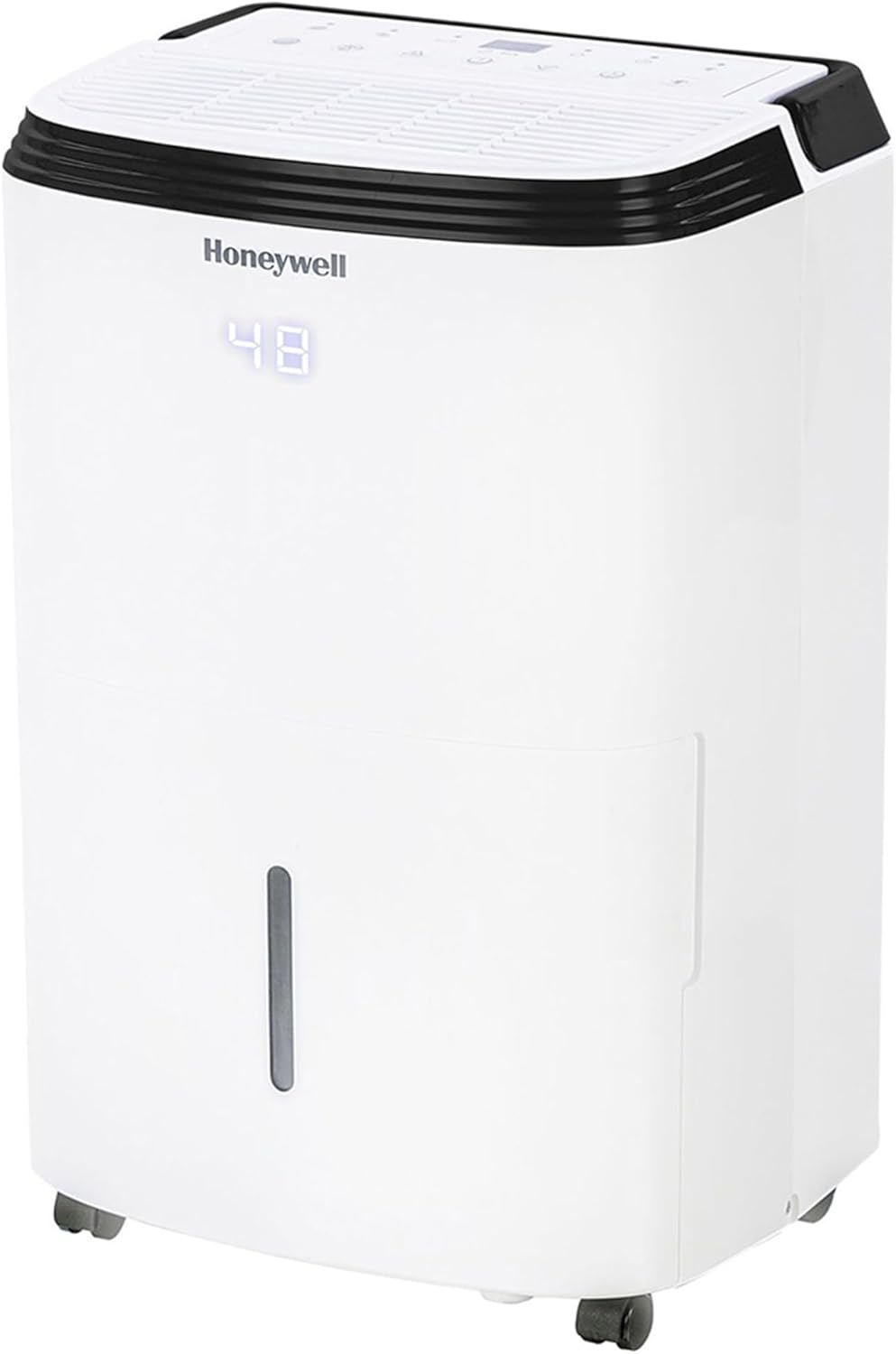
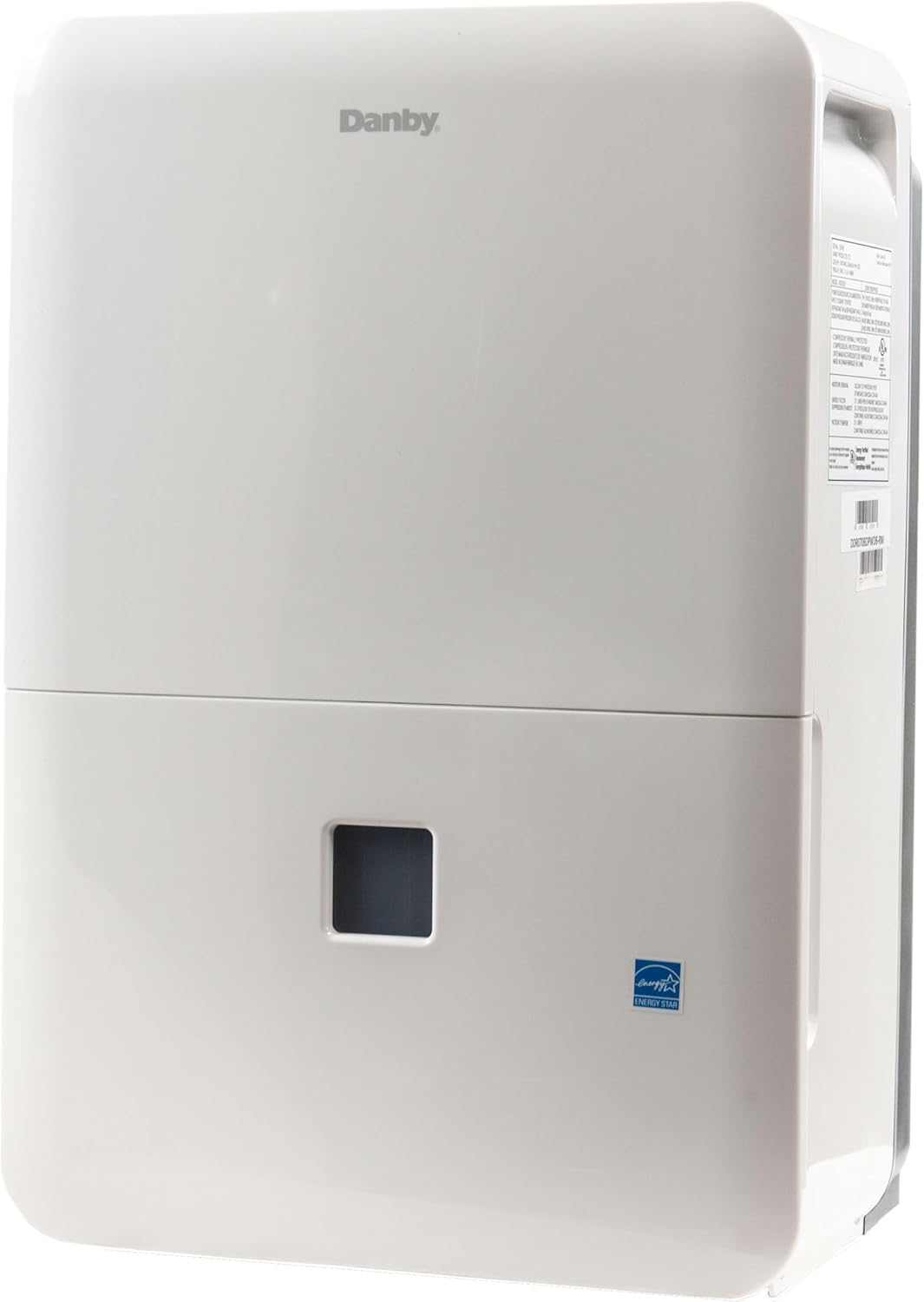
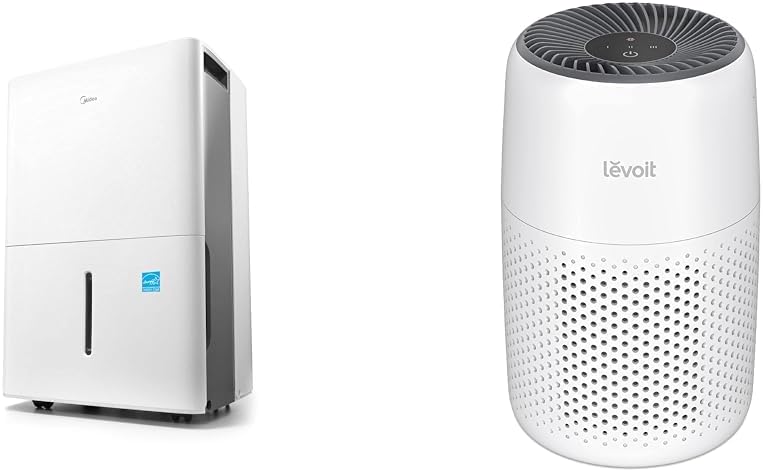
Control Humidity MechanicallyBasements usually require dedicated moisture control.

What NOT to Do
- Do not rely on fans alone
- Do not ignore exterior drainage
- Do not assume paint seals moisture
Long-Term Basement Moisture Prevention
- Maintain gutters and downspouts
- Keep soil graded away from foundation
- Monitor humidity year-round
Final Takeaway
Basement moisture is a system problem, not a single leak. Fixing the pathways — water, vapor, and air — is the only way to keep basements dry long-term.
Related Products